


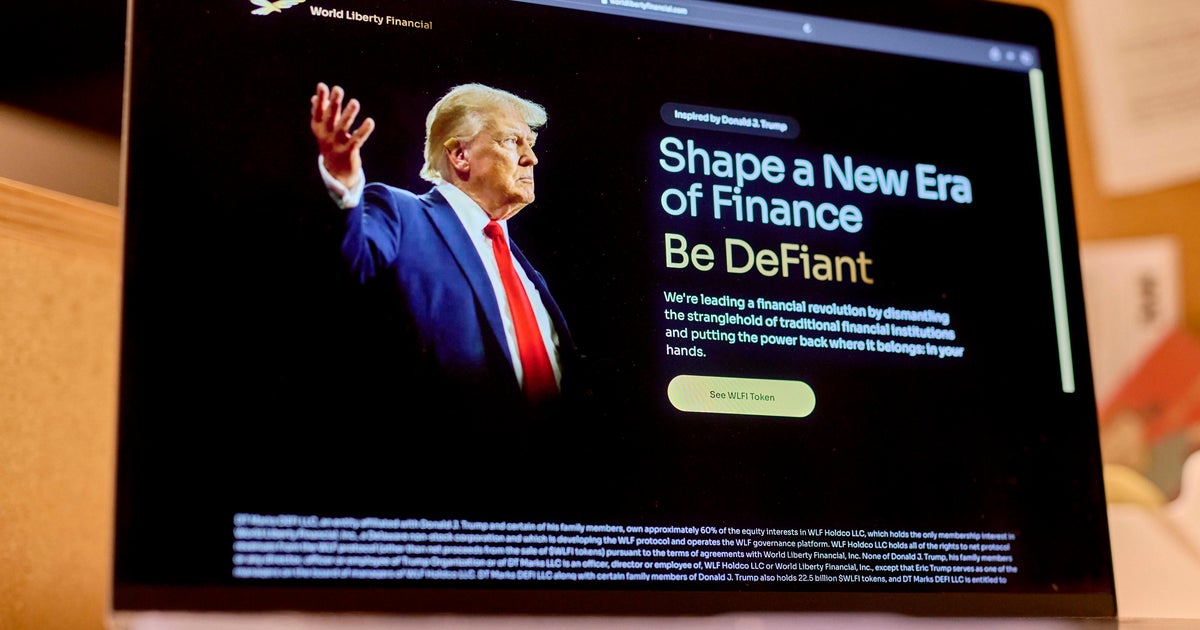

Trump Family’s Crypto Venture Takes Legal Action Against Billionaire Investor Justin Sun
The Lawsuit That’s Rocking the Cryptocurrency World
In a dramatic turn of events that highlights the volatile intersection of politics, business, and digital currency, World Liberty Financial—a cryptocurrency company co-founded by former President Donald Trump and his sons—has filed a defamation lawsuit against Justin Sun, one of the crypto industry’s most prominent billionaires. Filed on Monday in Florida’s Miami-Dade County court system, the legal action accuses Sun of orchestrating what the company describes as a deliberate “public smear campaign” designed to damage the business’s reputation and operations. The lawsuit seeks both monetary damages and a public retraction of statements Sun allegedly made across various social media platforms regarding World Liberty Financial’s business practices and governance.
This legal battle represents a significant escalation in what has become an increasingly hostile relationship between the cryptocurrency startup and one of its major investors. The conflict didn’t begin with this lawsuit—in fact, Sun had already taken legal action against World Liberty Financial back in April, filing his own fraud lawsuit. In that earlier case, Sun claimed the company had illegally prevented him from selling digital tokens that could be worth up to $1 billion, effectively trapping his investment. The back-and-forth nature of these legal proceedings paints a picture of a business relationship that has deteriorated from promising partnership to bitter adversaries, with both sides now willing to air their grievances in public court proceedings.
The Trump Family’s Crypto Venture and Its Struggles
World Liberty Financial made its debut in 2024 as a joint venture between Donald Trump Jr., Eric Trump, and two entrepreneurs named Zachary Folkman and Chase Herro. The company’s entrance into the cryptocurrency market came at a time when digital assets were experiencing significant volatility, and the Trump family name brought both attention and controversy to the project. However, the venture has faced considerable challenges in its first year of operation, with the performance of its tokens reflecting the difficulties the company has encountered in establishing itself as a credible player in the competitive crypto space.
The financial reality facing World Liberty Financial is sobering. According to data from CoinMarketCap, a leading cryptocurrency tracking platform, the company’s tokens—which trade under the ticker symbol $WLFI—have experienced a catastrophic decline of approximately 81% over the past year. Currently trading at around 6 cents per token, this dramatic loss in value represents not just a financial setback but also a potential crisis of confidence among investors and the broader cryptocurrency community. For a venture bearing the Trump family name and the expectations that come with it, these numbers tell a story of a project that has significantly underperformed relative to initial hopes and projections.
The “Scorched Earth” Allegations
At the heart of World Liberty Financial’s lawsuit are serious allegations about Justin Sun’s conduct both as an investor and as a public figure within the cryptocurrency community. The company claims that Sun engaged in what they characterize as market manipulation by betting against the company’s own tokens—essentially taking a position that would profit from the failure of $WLFI. Additionally, the lawsuit alleges that Sun made “straw purchases,” a practice where someone uses third-party intermediaries to buy tokens while concealing their true identity as the purchaser. These types of transactions, if proven, could raise questions about transparency and fair dealing in the crypto marketplace.
In response to what it perceived as improper conduct, World Liberty Financial took the significant step of freezing tokens owned by one of Sun’s companies. The company justified this action by stating it was necessary to “protect World Liberty and the broader community of $WLFI holders,” suggesting they viewed Sun’s activities as threatening not just to the company but to all investors holding these tokens. However, according to the lawsuit, Sun’s response to having his tokens frozen was anything but cooperative. The company alleges that rather than working collaboratively to resolve the issues, Sun launched what they describe as a “scorched earth pressure campaign” designed to extract hundreds of millions of dollars from World Liberty Financial. The lawsuit even claims that Sun’s legal counsel made threatening statements about litigation that would “light World Liberty on fire.”
Social Media Warfare and Defamation Claims
The defamation aspect of the lawsuit centers on statements Sun allegedly made through social media platforms, where he has a substantial following given his prominence in the cryptocurrency industry. World Liberty Financial contends that Sun made several false claims that damaged the company’s reputation, including allegations that the business treats “the crypto community as a personal ATM” and that its governance practices were fundamentally flawed or improper. These aren’t just casual criticisms—they strike at the core of how a cryptocurrency company is perceived by potential investors and the broader community that determines its success or failure.
Beyond just making these statements himself, the lawsuit accuses Sun of amplifying his message through coordinated efforts involving online influencers and fake social media accounts, commonly known as “bots.” This type of coordinated campaign, if true, would represent a sophisticated effort to shape public perception and damage World Liberty Financial’s reputation across the digital landscape where cryptocurrency businesses live or die based on community trust and sentiment. The lawsuit emphasizes that Sun’s posts collectively reached millions of people and generated widespread media coverage, meaning the alleged defamatory statements achieved significant distribution and impact. Given Sun’s status as a prominent figure in the crypto industry—he founded the Tron blockchain platform in 2017 and has an estimated net worth of nearly $12 billion according to the Bloomberg Billionaires Index—his words carry considerable weight and influence within the community.
The Response and What’s at Stake
Justin Sun hasn’t remained silent in the face of these allegations. In a post on X (formerly Twitter), Sun quickly dismissed World Liberty Financial’s lawsuit as nothing more than “a meritless PR stunt.” His confidence was evident as he stated, “I stand by my actions and look forward to defeating the case in court.” As of the lawsuit’s filing, Sun’s attorneys had not provided detailed comments to media requests, suggesting that their substantive response will come through formal legal channels rather than the court of public opinion—at least for now.
This legal battle carries implications far beyond just the two parties involved. For World Liberty Financial, the lawsuit represents an attempt to defend its reputation at a critical time when its token values have plummeted and investor confidence appears shaken. The company clearly believes that Sun’s statements and alleged campaign contributed to its difficulties, and winning this case could provide both vindication and potentially financial compensation. For Sun, who made international headlines in 2024 for spending $6.2 million on a piece of conceptual art featuring a banana duct-taped to a wall, the lawsuit represents another chapter in his controversial and high-profile presence in the cryptocurrency world. The outcome of both this defamation case and Sun’s earlier fraud lawsuit against World Liberty Financial will likely set important precedents about investor rights, corporate governance in the crypto space, and the boundaries of acceptable criticism and business conduct in this largely unregulated industry. As both cases proceed through the courts, they will be watched closely by cryptocurrency investors, legal experts, and anyone interested in how traditional legal frameworks apply to the rapidly evolving world of digital assets.