


GameStop’s Bold $55.5 Billion Bid to Acquire eBay: A Game-Changing Move in E-Commerce
The Surprise Takeover Proposal That’s Shaking Up the Business World
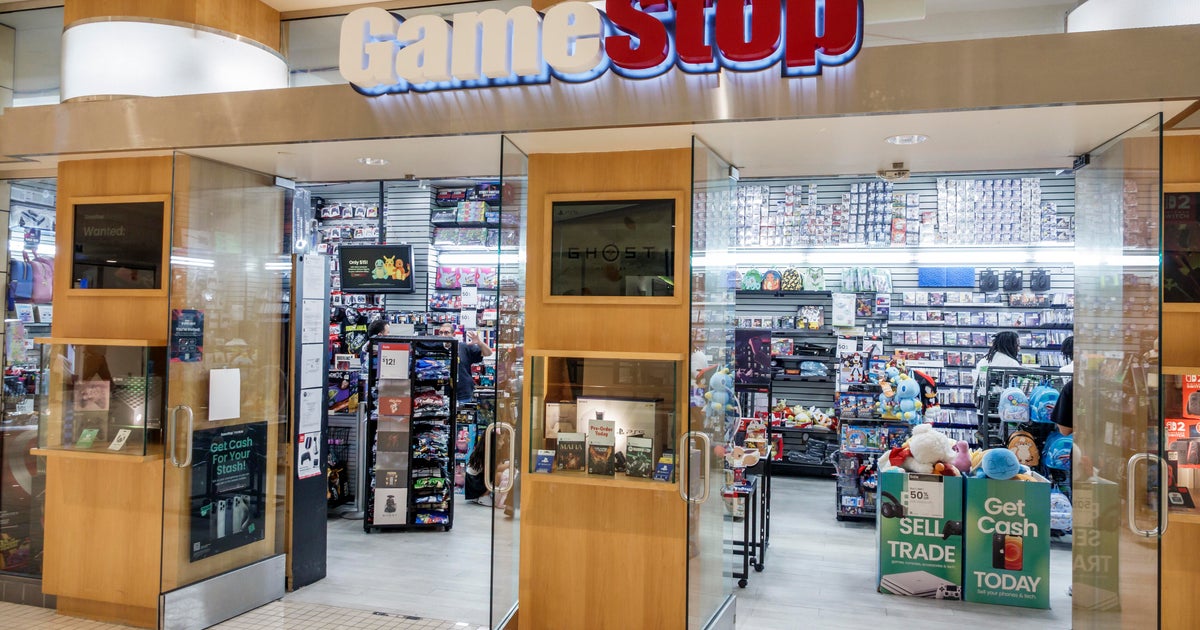
In a stunning development that has sent ripples through Wall Street and the e-commerce sector, GameStop has put forward an ambitious $55.5 billion offer to acquire eBay, one of the internet’s oldest and most recognizable online marketplaces. This unexpected move would represent a dramatic transformation for the video game retailer, giving it control over a platform where millions of users buy and sell everything from vintage collectibles and sports memorabilia to fashion items and electronics. The proposal, announced on Sunday, offers eBay shareholders $125 per share in a combination of cash and stock. What makes this bid even more intriguing is that GameStop, the Grapevine, Texas-based company, already holds a 5% ownership stake in eBay, suggesting this takeover attempt has been in the works for some time. GameStop’s CEO Ryan Cohen personally reached out to eBay’s board chairman with a letter outlining the proposal, and notably, the company has already secured a significant financial commitment from TD Securities, which has pledged $20 billion to help make this massive acquisition possible. This financial backing demonstrates that GameStop isn’t making empty promises but has lined up serious resources to pursue this deal.
eBay’s Response and the Possibility of a Hostile Takeover
eBay’s reaction to GameStop’s unsolicited proposal has been measured and cautious, as would be expected from any major corporation facing such a significant takeover bid. On Monday, the company released a statement indicating that it would “carefully review and consider the unsolicited proposal to determine the course of action that it believes is in the best interests of the company and all eBay shareholders.” This diplomatic response leaves the door open to negotiations while not committing to anything specific. However, according to The Wall Street Journal, which broke the story, Ryan Cohen isn’t planning to take no for an answer easily. If eBay’s board decides to reject the offer, Cohen has indicated he’s prepared to launch a hostile bid, which would involve taking the proposal directly to eBay’s shareholders in an attempt to win their support over the objections of company management. This aggressive stance shows just how committed Cohen is to this vision of combining the two companies. His comments to The Wall Street Journal reveal his ambitious thinking about eBay’s potential, suggesting he sees tremendous untapped value in the platform that current management hasn’t fully realized.
Ryan Cohen’s Vision: Transforming eBay Into an Amazon Competitor
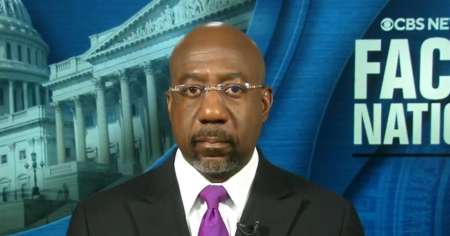
The driving force behind this audacious takeover attempt is Ryan Cohen, a billionaire entrepreneur who has already proven his business acumen by founding Chewy, the highly successful online pet supply company. Cohen’s vision for eBay is nothing short of transformational—he believes the platform could become a legitimate competitor to Amazon, the e-commerce giant that currently dominates online retail. “EBay should be worth — and will be worth — a lot more money,” Cohen told The Wall Street Journal, conveying his confidence in the platform’s potential. Even more ambitiously, he stated, “I’m thinking about turning eBay into something worth hundreds of billions of dollars.” This isn’t just corporate speak; Cohen has a track record of revitalizing struggling businesses. He was appointed as GameStop’s CEO in 2023 specifically because the company needed someone who could overhaul its ailing retail business, which had been losing market share and struggling to compete with digital game distributors and online sellers. Before officially taking the CEO position, Cohen was already GameStop’s largest individual investor, demonstrating his commitment to the company’s future. His success with Chewy, which revolutionized online pet supply retail, gives credibility to his vision for what could be achieved with eBay’s established platform and massive user base.
The David and Goliath Dynamic: Size Differences and Market Reactions
One of the most striking aspects of this proposed acquisition is the significant size difference between the two companies involved. GameStop currently has a market capitalization of nearly $12 billion, making it considerably smaller than eBay, which is valued at approximately $49 billion. This means GameStop is attempting to acquire a company more than four times its size, a bold move that would require substantial financial engineering and borrowed capital—hence the $20 billion commitment from TD Securities. For context, GameStop became a household name in 2021 during the “meme stock” phenomenon, when retail investors coordinating on Reddit began buying GameStop shares en masse, driving the stock price up by more than 2,000% in a short period. This remarkable event also affected other so-called “meme stocks” and demonstrated the power of coordinated retail investor action. The market’s immediate reaction to the acquisition news was mixed but telling. On Monday morning, GameStop shares fell 2% to $26, suggesting some investor skepticism about the company’s ability to pull off such a massive deal or concerns about the potential debt burden it would create. Meanwhile, eBay’s stock rose 5% to $109.72, which is typical when a company becomes an acquisition target, as shareholders anticipate either a successful deal at a premium price or a bidding war that could drive the price even higher.
What This Deal Could Mean for E-Commerce and Online Retail
If this acquisition were to succeed, it would represent a seismic shift in the e-commerce landscape and could fundamentally alter the competitive dynamics of online retail. GameStop would gain control of eBay’s massive marketplace infrastructure, which has been operating since 1995 and has built up a loyal user base of both buyers and sellers. This platform could potentially be integrated with GameStop’s existing retail operations, creating synergies in inventory management, customer data, and logistics. Cohen’s comment about making eBay a “legit competitor to Amazon” suggests he sees opportunities to enhance eBay’s platform with new technologies, better user experience, and possibly integration with GameStop’s gaming and collectibles expertise. eBay has always had a strong presence in collectibles, vintage items, and peer-to-peer sales, which differentiates it from Amazon’s primarily retail-focused model. Under GameStop’s ownership, this differentiation could be strengthened and expanded. The deal could also signal a broader trend of mid-sized retailers attempting bold consolidation moves to compete with the dominance of Amazon and other e-commerce giants. For consumers, a revitalized eBay under new ownership could mean improved services, better integration with modern payment systems, and potentially new categories of products.
The Road Ahead: Challenges and Opportunities
While Ryan Cohen’s vision is certainly ambitious, the path to completing this acquisition faces numerous challenges and uncertainties. First, there’s the question of whether eBay’s board and shareholders will embrace the proposal or resist it. eBay’s management may believe they can create more value independently or might hold out for a higher offer. If the deal does move forward, the regulatory hurdles could be substantial, as any merger of this size would face scrutiny from antitrust authorities concerned about market concentration. Additionally, GameStop would need to successfully integrate two very different corporate cultures and business models—one focused on video game retail with physical stores, the other operating a sprawling online marketplace. The financial strain of taking on the debt necessary to fund this acquisition could also pose risks, especially if the anticipated synergies and growth don’t materialize quickly. However, if Cohen can execute on his vision, the rewards could be transformative. A combined GameStop-eBay entity would have access to diverse revenue streams, a huge customer base spanning different demographics, and the potential to innovate in ways that neither company could achieve alone. The coming weeks and months will reveal whether this bold gambit represents visionary leadership or overreach. What’s certain is that this proposed deal has captured the attention of the business world and demonstrates that in today’s rapidly evolving retail landscape, even the most unexpected combinations are possible. Whether you’re a GameStop shareholder, an eBay user, or simply someone interested in the future of e-commerce, this is a story worth following closely.