



Spirit Airlines Shutdown: What Passengers Need to Know About Refunds and Alternative Travel Options
Understanding the Refund Process for Affected Customers
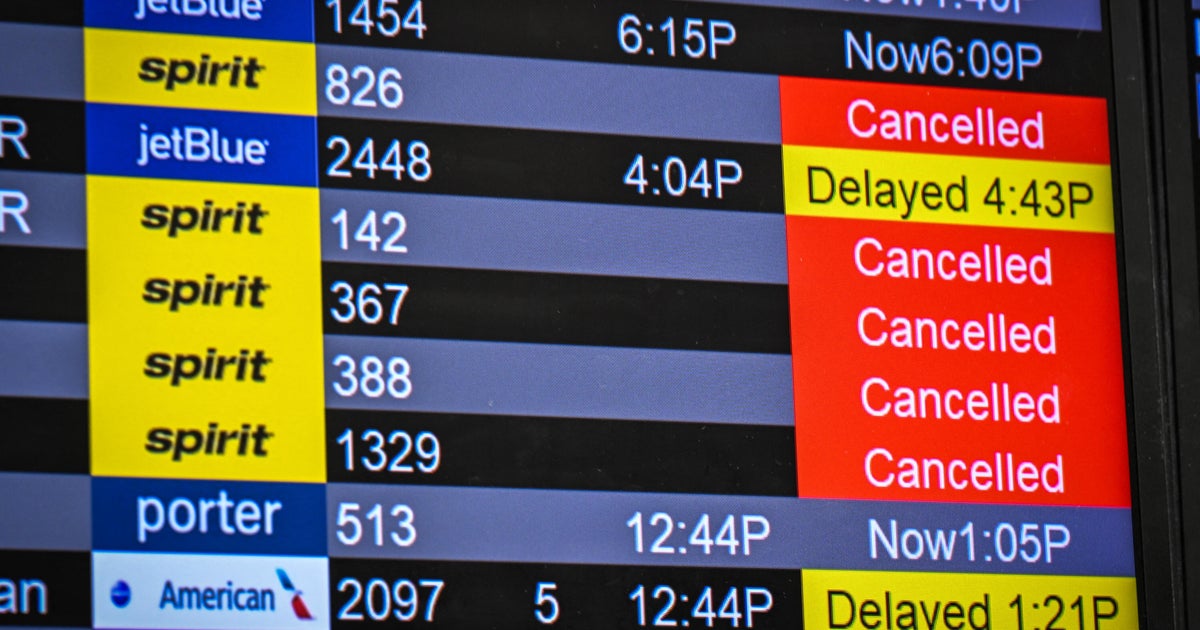
Spirit Airlines has made significant progress in processing refunds following its sudden cessation of operations over the weekend. The budget carrier announced that it has successfully reimbursed the majority of customers who held flight tickets when the airline shut down. According to statements made to CBS News, Spirit is currently working through a “small percentage” of remaining customer refunds. The airline’s abrupt closure came after unsuccessful attempts to secure a $500 million federal bailout that could have kept the struggling carrier afloat. In the early hours of Saturday morning, Spirit announced it had begun an “orderly wind-down of operations,” bringing an end to years of providing low-cost air travel to millions of passengers. For customers who purchased their tickets using credit or debit cards, Spirit has committed to automatically processing refunds, which should provide some relief during this challenging situation. This automatic refund process represents a legal obligation under federal consumer protection laws, ensuring that customers who paid for services that were never delivered receive their money back.
Who Gets Their Money Back and Who Doesn’t
The question of refund eligibility has become a critical concern for thousands of Spirit customers left in limbo by the airline’s sudden shutdown. According to Eric Rosen, director of travel content at The Points Guy, federal law provides clear protection for consumers in situations like this. When a business fails to deliver a purchased service, customers are legally entitled to refunds. However, the situation becomes more complicated for passengers who used alternative payment methods. Customers who paid with cash for their tickets or those who redeemed airline loyalty points face a more uncertain future. Unfortunately for these travelers, cash payments and loyalty points fall outside the straightforward refund process available to credit and debit card users. Perhaps most frustratingly for frequent flyers, Spirit loyalty points cannot be transferred to another airline’s rewards program, meaning those accumulated points may have lost all their value overnight. Spirit has acknowledged this complexity and announced that compensation for passengers who booked flights using vouchers, credits, or Spirit points “will be determined at a later date through the bankruptcy process.” This means these customers may face a lengthy wait before learning whether they’ll receive any form of compensation for their lost travel plans or unused rewards.
Competing Airlines Step Up to Help Stranded Passengers
In a remarkable display of industry solidarity and competitive opportunity, several major airlines quickly mobilized to assist Spirit passengers left without travel options. United Airlines emerged as one of the most proactive carriers, offering special “rescue fares” to stranded Spirit customers. The airline reported successfully rebooking approximately 14,000 Spirit passengers on its own flights, providing immediate relief to thousands of travelers who might otherwise have faced significant disruptions to their plans. United has extended its support by offering special discounted fares to Spirit customers through May 16, giving affected passengers time to make alternative travel arrangements at reasonable prices. But United wasn’t alone in stepping forward to help. American Airlines, Delta Air Lines, Frontier Airlines, and Southwest Airlines all announced limited-time discounted fares specifically designed for stranded Spirit customers. This cooperative response demonstrates how even in a competitive industry, airlines recognize both the humanitarian necessity and the business opportunity in helping displaced passengers. For travelers affected by Spirit’s closure, these rescue fares represent a lifeline, often providing options at prices comparable to what they might have paid with Spirit, though likely not matching the ultra-low fares for which Spirit was known.
JetBlue Moves Quickly to Capture Spirit’s Market Share
While several airlines offered temporary assistance to stranded Spirit passengers, JetBlue Airways demonstrated the most aggressive strategy to capture Spirit’s former market position. Just two days after Spirit’s official shutdown, JetBlue made a bold move by adding eleven new routes from Fort Lauderdale, one of Spirit’s major hub cities. This rapid expansion shows how quickly airlines can pivot to fill gaps left by a competitor’s exit from the market. But JetBlue went beyond simply adding routes. In a particularly savvy marketing move, the airline announced a “status match” program specifically targeting Spirit’s frequent flyers. This initiative offers Spirit Airlines loyalty members equivalent status within JetBlue’s own rewards program, effectively trying to convert Spirit’s most loyal customers into JetBlue regulars. For a limited time, Spirit frequent flyers can transfer their hard-earned status to JetBlue, preserving at least some of the benefits they had accumulated with Spirit. This represents a win-win situation: displaced Spirit loyalists get to maintain their elite status benefits, while JetBlue gains access to a pool of established, frequent travelers who now need a new airline home. The status match program is particularly meaningful for business travelers and vacation enthusiasts who had invested considerable time and money into achieving elite status with Spirit.
The Broader Impact on the Airline Industry and Travelers
Spirit’s departure from the market creates significant ripple effects throughout the airline industry and for travelers who have come to depend on ultra-low-cost options. The airline had carved out a distinctive niche by offering rock-bottom base fares with numerous add-on fees for services that other airlines typically include. This business model attracted price-sensitive travelers who were willing to forego amenities in exchange for the cheapest possible transportation. With Spirit gone, the competitive landscape shifts considerably. Routes that Spirit previously served now have less competition, which could lead to higher prices as remaining airlines adjust their fare structures. However, Spirit’s exit also presents opportunities for other budget carriers and major airlines to expand their networks and capture market share. Airlines like Frontier, which operates a similar ultra-low-cost model, may benefit most from Spirit’s absence, potentially attracting former Spirit customers looking for comparable pricing. Meanwhile, larger carriers like United, American, and Delta may use this opportunity to strengthen their positions in markets where Spirit had been a disruptive competitor. For travelers, the immediate future likely means adjusting to a marketplace with one fewer option for rock-bottom fares, though the competitive response from other airlines may help moderate price increases in the short term.
What This Means for Future Travel Planning
The sudden collapse of Spirit Airlines serves as a sobering reminder of the risks inherent in booking travel, particularly with airlines operating on thin financial margins. For future travelers, this situation offers several important lessons. First, purchasing tickets with a credit card provides crucial consumer protections that other payment methods don’t offer, as demonstrated by the different refund treatment Spirit is giving to credit card purchases versus cash or points redemptions. Second, travel insurance takes on added importance in an uncertain airline industry environment, potentially covering losses that bankruptcy proceedings might not fully address. Third, travelers should stay informed about the financial health of airlines they book with, watching for warning signs like bankruptcy filings, failed merger attempts, or desperate financing measures. The Spirit situation also highlights the value of booking with airlines that have stronger financial foundations, even if their fares are somewhat higher. While Spirit’s ultra-low fares were attractive, customers who booked flights for summer travel now face the stress and inconvenience of completely replanning their trips. As the airline industry continues to navigate challenges including fluctuating fuel costs, labor disputes, and competitive pressures, travelers would be wise to consider the reliability and longevity of carriers when making booking decisions, balancing the appeal of low fares against the risk of disruption.