


Double Tragedy Strikes San Antonio: Natural Gas Explosions Rock Neighborhood
A Night of Terror Unfolds
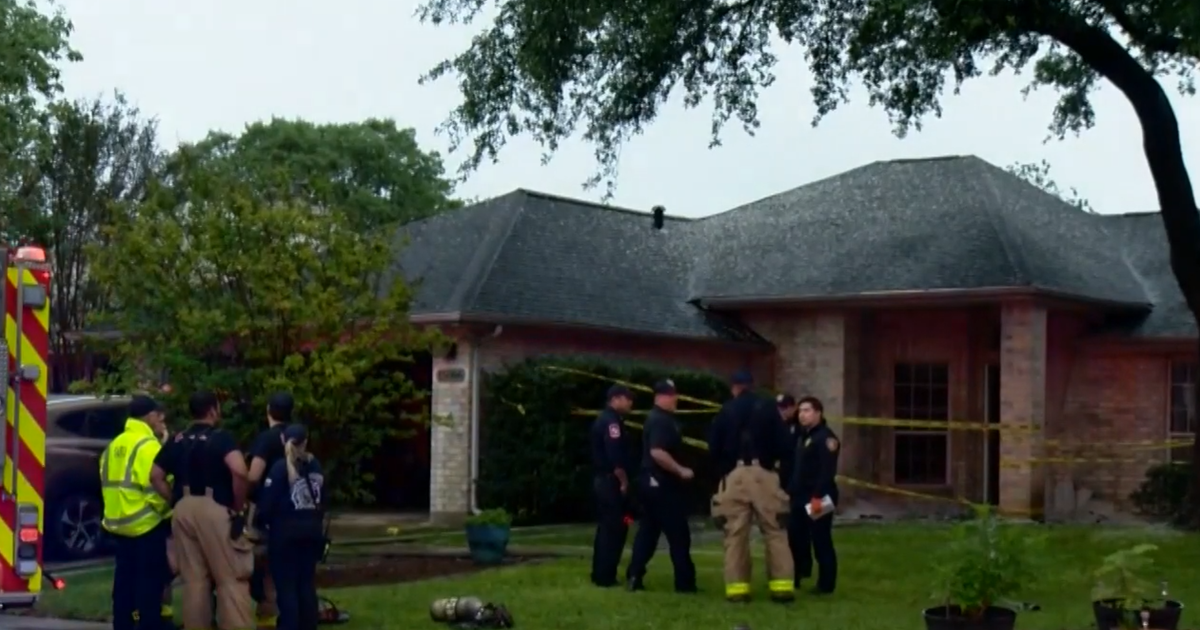
On what began as an ordinary Tuesday evening in a quiet north San Antonio neighborhood, residents experienced a nightmare scenario that would leave five people injured and an entire community shaken. The peaceful atmosphere was shattered when two separate homes on the same block exploded in what authorities have confirmed were natural gas-fueled blasts. The first explosion ripped through a residence at approximately 6 p.m. local time, sending shockwaves through the neighborhood. Just two hours later, as emergency responders were still working at the scene and neighbors gathered in the streets trying to process what had happened, a second devastating explosion occurred just two doors down from the first. San Antonio Fire Chief Valerie Frausto described the horrifying similarity between the two incidents, explaining how the second home’s roof was blown off with the same violent force, scattering sheetrock and insulation across the street. The National Transportation Safety Board has taken the unusual step of sending an investigative team to the scene, signaling the serious nature of these incidents and raising important questions about emergency response protocols and public safety measures.
The Human Toll and Heroes’ Stories
The explosions resulted in five people being rushed to area hospitals with burn injuries, including a child, making this incident particularly heartbreaking for the tight-knit community. Among those injured in the first blast was a beloved local family of three—a pastor who serves the community, a dedicated high school teacher, and their teenage daughter. By Wednesday, this family was reported to be in stable condition, offering a glimmer of hope amid the tragedy. However, the conditions of those injured in the second explosion remained unclear, leaving friends and neighbors anxiously awaiting updates. The fact that people were inside both homes at the times of the explosions adds to the traumatic nature of these events. These weren’t empty properties or abandoned buildings—these were family homes where people were simply going about their evening routines when disaster struck. The injuries sustained, particularly the burn injuries, speak to the intense heat and force of the gas-fueled explosions, and the victims now face what will likely be a long and difficult recovery process, both physically and emotionally.
A Devastating Pattern Emerges
Perhaps the most disturbing aspect of this tragedy is how the second explosion unfolded. Neighbors recounted to CBS News that after the first blast, they gathered outside in the street, as people naturally do when something shocking happens in their community. They were talking with firefighters, trying to understand what had occurred, and supporting one another through the crisis. Critically, they reported not smelling gas after the first explosion, which gave them no indication that danger still lurked nearby. Among those gathered outside were the residents of the home that would soon become the site of the second explosion. Neighbor John Young provided a chilling account of what happened next: those residents, believing it was safe, returned to their home. The scene that followed was horrific. “Those people had been outside with us, watching what was going on, and they went back inside the house and…then their house went up,” Young recalled, his words capturing the shock and helplessness of witnessing such an event. “I mean, it went in flames.” This sequence of events raises profound questions about why the area wasn’t immediately evacuated after the first explosion and whether more could have been done to prevent the second tragedy.
Questions About Emergency Response
The National Transportation Safety Board’s decision to investigate why no evacuations were issued prior to the second explosion has placed a spotlight on the emergency response to this incident. This is precisely the question that haunts everyone involved: Why were residents allowed to remain in the area, and even return to their homes, after the first explosion clearly indicated a serious problem? When Fire Chief Frausto was asked directly whether firefighters had made a mistake in their response to the first blast, she offered an explanation that highlights both the challenges first responders face and the complexity of dealing with natural gas leaks. “We don’t know when these things happen, when there’s a gas leak, very hard to detect, and especially under these conditions, there’s sometimes no odor,” Frausto said. “It’s just something that happened, and we have to deal with it.” Her words acknowledge a frightening reality: natural gas leaks can be invisible threats, sometimes without the telltale odor that typically warns of danger. However, this explanation may offer little comfort to those injured or to the residents who now question whether different protocols might have prevented the second explosion and its casualties.
Community Impact and Ongoing Safety Measures
In the aftermath of the double explosions, authorities have taken significant steps to prevent further tragedy. Gas and power have been shut off to the entire area, and several surrounding homes have been evacuated—measures that many might wonder should have been implemented immediately after the first explosion. Fire Chief Frausto emphasized the importance of these precautions, stating clearly, “We can’t allow anybody back to their homes until it’s safe.” This means that numerous families, even those whose homes weren’t directly damaged, now find themselves displaced, unable to return to their properties while investigators work to determine what went wrong and ensure that no additional homes are at risk. The community, already traumatized by witnessing two explosions and knowing that neighbors were seriously injured, now faces the additional stress of uncertainty about when they can return to their normal lives. Local schools, businesses, and community organizations are likely rallying to support those affected, but the psychological impact of such events cannot be underestimated. Residents who thought they were safe in their own neighborhood now have reason to question that fundamental assumption.
The Investigation and Path Forward
CPS Energy, the natural gas provider for the affected area, has stated that it is conducting a thorough investigation into the cause of these explosions, though as of now, no definitive answers have been provided. This investigation will be critical not only for this specific neighborhood but potentially for natural gas safety protocols across the city and beyond. The NTSB’s involvement indicates that federal authorities believe there are important lessons to be learned from this incident that could prevent similar tragedies elsewhere. Key questions that investigators will need to answer include: Was there a problem with the natural gas infrastructure in this area? Were there warning signs that were missed? Why was the gas odor not detectable to residents and first responders? And most importantly, what protocols need to change to ensure that if a first explosion occurs, proper evacuations happen immediately to prevent subsequent casualties? As the investigation unfolds, the injured victims continue their recovery, and the community begins the long process of healing. The families directly affected will need support—both immediate assistance with medical bills, temporary housing, and other practical needs, as well as long-term help processing the trauma of surviving such a terrifying experience. Meanwhile, the entire neighborhood must grapple with questions about safety and trust in the systems designed to protect them. This tragic event in San Antonio serves as a sobering reminder that the infrastructure we depend on daily—the gas lines running beneath our streets and into our homes—requires constant vigilance, maintenance, and respect for the potential dangers they pose when something goes wrong.