


Crypto Mogul Justin Sun Takes Legal Action Against Trump Family’s Digital Currency Venture
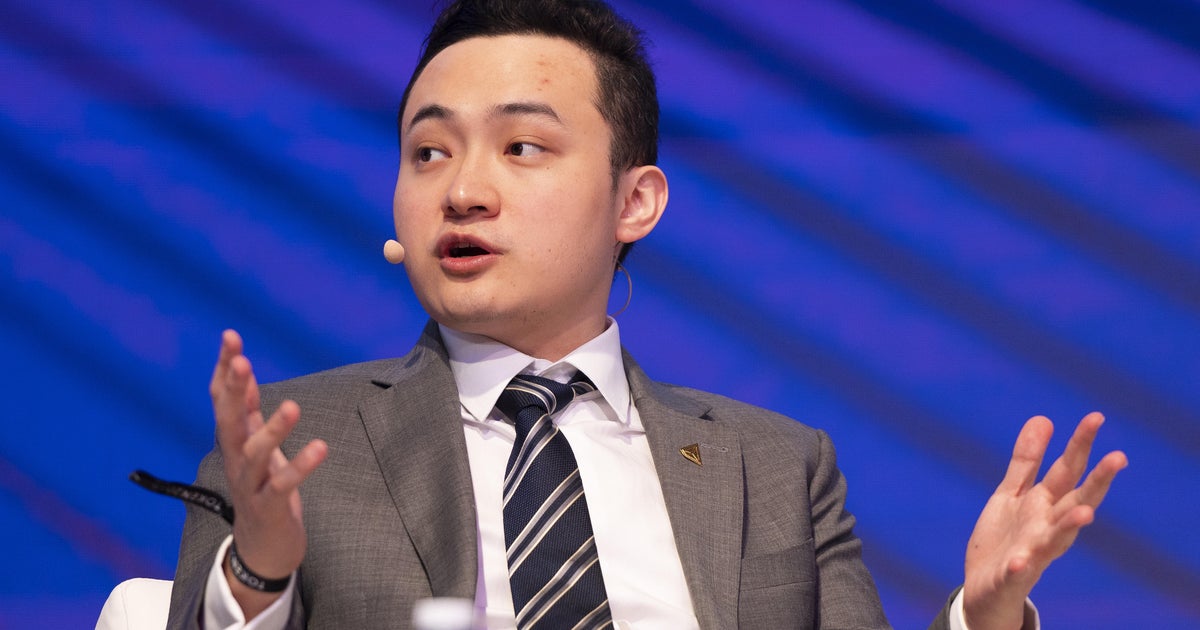
The world of cryptocurrency has been rocked by a major legal battle that combines big money, political connections, and allegations of fraud. Justin Sun, a billionaire entrepreneur who made his fortune in the digital currency space, has filed a bombshell lawsuit against World Liberty Financial, a cryptocurrency company with some very high-profile co-founders: President Donald Trump and his sons. The lawsuit, filed in a California federal court, paints a troubling picture of what Sun claims is corporate misconduct, alleging that the company has illegally prevented him from selling digital tokens that could be worth as much as $1 billion. Beyond just freezing his assets, Sun’s complaint details what he describes as aggressive pressure tactics, including attempts to strong-arm him into investing hundreds of millions more into the company’s stablecoin project called USD1. According to the legal filing, when Sun refused to pour additional money into the venture, World Liberty Financial retaliated by freezing his tokens, effectively locking him out of accessing what represents a massive portion of his investment.
The Heart of the Allegations: Secret Rule Changes and Frozen Assets
At the core of Sun’s lawsuit are serious accusations about how World Liberty Financial conducts business behind the scenes. Sun alleges that the company secretly altered the contractual terms that govern when token owners can sell their holdings, essentially giving themselves what he calls “blacklisting power” over who can transfer tokens and who cannot. What makes this particularly concerning, according to the complaint, is that these changes happened without any democratic process among token holders. There was no governance proposal put forward, no vote taken by the community of investors, and no public announcement about what the company was doing. Instead, as Sun’s legal team puts it, “World Liberty simply took the power for itself.” This kind of unilateral decision-making stands in stark contrast to the decentralized, community-driven principles that cryptocurrency ventures often claim to uphold. For Sun, who positioned himself as one of World Liberty Financial’s biggest supporters and anchor investors, these actions represent not just a breach of contract but a fundamental betrayal of trust that undermines the entire foundation of how cryptocurrency projects are supposed to operate.
World Liberty Financial Fires Back: Accusations of Misconduct
The company didn’t take these allegations lying down. World Liberty Financial’s leadership quickly mobilized to defend themselves, with co-founder and CEO Zach Witkoff and co-founder Eric Trump both taking to social media to push back against Sun’s claims. Witkoff characterized the lawsuit as “entirely meritless” and accused Sun of engaging in his own misconduct that forced the company to take protective action. “Justin Sun’s recent lawsuit against World Liberty Financial is a desperate attempt to deflect attention from Sun’s own misconduct,” Witkoff wrote, adding that the entrepreneur “engaged in misconduct that required World Liberty to take action to protect itself and its users.” The company promises to “continue to take all necessary steps to protect its community,” positioning their actions as defensive rather than aggressive. Eric Trump added his own colorful commentary, mocking Sun by referencing his controversial 2024 purchase of an art piece called “Comedian” – essentially a banana duct-taped to a wall – for $6 million. “The only thing more ridiculous than this lawsuit is spending $6 million on a banana duct-taped to a wall,” Eric Trump wrote, expressing pride in the World Liberty Financial team. However, neither executive provided specific details about what misconduct they’re accusing Sun of committing.
Sun’s Defense: Loyalty to Trump, But Not to Those Running the Show
In an interesting twist that reveals the complex political dimensions of this dispute, Justin Sun has been careful to separate President Trump himself from the actions of those running World Liberty Financial. In his own social media posts explaining his rationale for the lawsuit, Sun emphasized that he remains a supporter of Trump and instead blamed “certain individuals” for the problems he’s experienced. “They wrongfully froze all of my tokens, stripped me of my right to vote on governance proposals, and have threatened to permanently destroy my tokens by ‘burning’ them — all without any proper justification,” Sun wrote. More tellingly, he added, “I do not believe President Trump would condone these actions if he knew about them.” This carefully calibrated message suggests Sun is trying to maintain his relationship with the President while fighting the company’s executives. Sun’s connection to the Trump family’s cryptocurrency ventures runs deep – he revealed last year that he’s the largest holder of another Trump-backed crypto token called $TRUMP. The lawsuit specifically names Chase Herro, another World Liberty Financial co-founder, as one of the key figures allegedly seeking to “leverage the Trump brand” to illegally drive profits, framing Sun as “a prime target of their fraudulent scheme” despite being “one of World Liberty’s anchor investors and biggest supporters.”
The Numbers Tell a Story: From Rescue to Ruin
Sun’s lawsuit lays out a compelling narrative about World Liberty Financial’s trajectory, with himself cast as the white knight who rescued a struggling venture only to be betrayed later. According to his account, the company’s initial token offering was a disappointment, with “lackluster demand” generating only about $22 million in sales during the first month. Everything changed, Sun claims, when he personally invested $45 million in the tokens, trading under the $WLFI ticker. His vote of confidence allegedly opened the floodgates, with other investors following his lead and eventually driving total fundraising to approximately $550 million. However, when the tokens became tradable on September 1st, Sun’s nightmare began – he found himself blocked from selling his holdings. The complaint states that Sun and his businesses “will be unable to realize any economic value from their tokens — which have at times been valued at $1 billion or more — as long as the tokens are unlawfully frozen.” Since that September date, the market hasn’t been kind to $WLFI tokens, which have lost roughly 25% of their value according to CoinGecko, a cryptocurrency data platform. This decline is particularly concerning for Sun, whose massive holdings mean each percentage point drop represents millions of dollars in lost value.
Deeper Financial Concerns and What Comes Next
Perhaps most troubling are Sun’s allegations about World Liberty Financial’s overall financial health and business practices. The lawsuit claims the company borrowed at least $75 million in stablecoins by pledging billions of its own $WLFI tokens as collateral, then converted some of those borrowed funds into cash. According to Sun’s legal team, this kind of activity could create downward pressure on the token’s price and make it more difficult for other holders to trade the cryptocurrency. The complaint suggests these moves indicate “mounting financial strain” at World Liberty, raising concerns that the company might struggle to meet its obligations to token holders. The lawsuit points to rapidly deteriorating collateral value, undermined governance credibility, and eroding market confidence as reasons why the court should prevent World Liberty from invalidating Sun’s tokens. This legal battle represents more than just a dispute between a billionaire investor and a cryptocurrency company – it touches on fundamental questions about how crypto ventures operate, the role of governance in decentralized systems, and the potential conflicts of interest when political figures lend their names to speculative financial ventures. As this case moves forward through the federal court system, it could have significant implications not just for the parties involved but for the broader cryptocurrency industry’s relationship with regulatory oversight and investor protection. For now, both sides appear dug in for a prolonged fight, with hundreds of millions or even billions of dollars hanging in the balance.