



Global Condom Shortage Looms as War Disrupts Supply Chains
Rising Costs Threaten Contraceptive Accessibility Worldwide
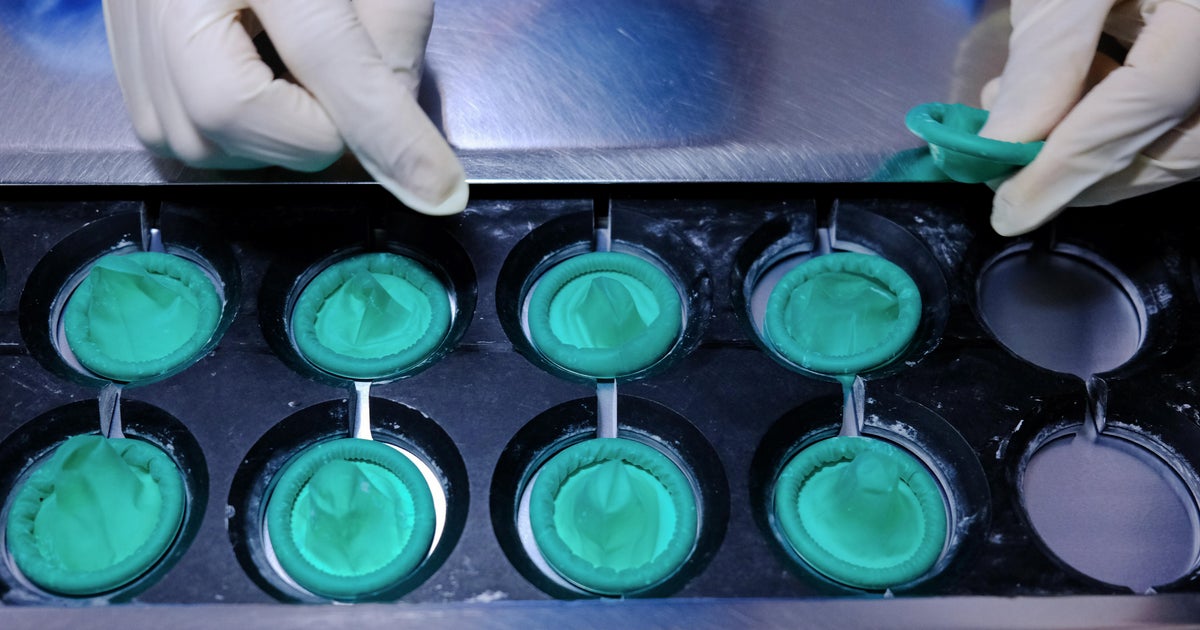
The world’s largest condom manufacturer is sounding the alarm about potential price increases that could affect millions of consumers globally. Karex, a Malaysia-based company responsible for producing an astounding 5 billion condoms annually, is grappling with unprecedented challenges stemming from the ongoing conflict in Iran. The company’s CEO, Goh Miah Kiat, recently spoke with Reuters about the mounting pressures facing the contraceptive industry, warning that customers may soon see prices jump by as much as 20% to 30%. This isn’t just about business margins – it’s about a critical public health product becoming less accessible at a time when demand is actually increasing. The situation highlights how global conflicts can have unexpected ripple effects on everyday products that people depend on for health and family planning.
The Iran Conflict’s Unexpected Consequences
The war in Iran has created a domino effect that’s reaching far beyond the immediate conflict zone, touching industries and products that most people would never connect to Middle Eastern geopolitics. The Strait of Hormuz, a narrow waterway that serves as one of the world’s most crucial shipping channels, has become virtually impassable for commercial vessels. This strategic chokepoint normally facilitates the movement of enormous quantities of oil and gas, which are essential not just for fuel but for manufacturing countless everyday items. When ships can’t pass through safely, the entire global supply chain feels the impact. For Karex, this means difficulty obtaining synthetic rubber, a petroleum-derived material that’s fundamental to condom production. The company is also struggling with doubled costs for various raw materials and facing shipping delays that have turned one-month journeys into two-month ordeals. These aren’t minor inconveniences – they’re fundamental disruptions to how the company does business.
The Hidden World of Petroleum-Based Products
Most consumers don’t realize just how deeply petroleum products are woven into the fabric of modern life. According to the U.S. Department of Energy, petrochemicals – substances derived from oil and natural gas – are ingredients in more than 6,000 different consumer products. We’re not just talking about obvious items like plastic bottles or synthetic fabrics. These materials show up in surprising places: the lipstick someone wears to work, the tennis racket used for weekend recreation, even the comfortable pajamas people sleep in at night. Condoms, made from synthetic rubber, are just one more item on this extensive list. When global energy supplies get constrained, as they have due to the closure of the Strait of Hormuz, it creates a shortage cascade that affects this vast array of products. The situation demonstrates how interconnected our global economy really is – a conflict in one region can literally affect what’s available on store shelves halfway around the world.
A Company with Global Reach Faces Global Problems
Karex’s story is remarkable in its own right. Founded in 1988 in Johor, Malaysia, the company has grown to become what it proudly calls the “world’s largest condom maker.” Its products reach more than 130 countries across every inhabited continent, making it a truly global enterprise. The company supplies some of the most recognized brands in the contraceptive market, including America’s Trojan and Britain’s Durex – names that are household words in their respective markets. The scale of Karex’s operations is staggering: 5 billion condoms per year represents an enormous volume of manufacturing, logistics, and quality control. This massive production requires equally massive amounts of raw materials, reliable shipping routes, and predictable supply chains. When any of these elements gets disrupted, the effects multiply across the company’s entire operation. Right now, all three are being challenged simultaneously, creating what CEO Goh describes as a “very fragile” situation.
Increased Demand Meets Constrained Supply
Adding another layer of complexity to this situation is the fact that demand for condoms has actually risen by approximately 30% this year, according to Goh’s statements to Reuters. This creates a perfect storm scenario: a company facing supply shortages, doubled material costs, and shipping delays is simultaneously trying to meet increased customer demand. It’s a manufacturer’s nightmare. The reasons behind the demand spike weren’t detailed in the interviews, but various factors could be at play – from changing social patterns in the post-pandemic world to increased awareness of sexual health issues. Whatever the cause, the timing couldn’t be worse from a supply perspective. Karex has managed to fulfill its orders so far, but the company is clearly operating on thin margins. The customers who purchase from Karex – including major retailers and distributors – are reportedly working with leaner stockpiles than usual, meaning there’s less buffer if supply disruptions worsen. This vulnerability in the supply chain means that any further complications could quickly translate into empty shelves in stores.
Looking Ahead: Public Health Implications
The potential 20% to 30% price increase that Karex is contemplating isn’t just a business decision – it carries significant public health implications. Condoms are one of the most effective methods for preventing both unwanted pregnancies and sexually transmitted infections. When these products become more expensive, they become less accessible, particularly for young people and those with limited incomes who may be most vulnerable to the consequences of unprotected sex. Goh’s statement that the company has “no choice” but to pass costs along to customers reflects the difficult reality of doing business in a disrupted global economy, but it also raises questions about how to maintain access to essential health products during times of crisis. The situation serves as a reminder that global conflicts, shipping disruptions, and supply chain problems aren’t abstract economic concepts – they have real-world effects on people’s daily lives and health choices. As the Iran situation continues to evolve, the condom shortage illustrates how modern warfare’s impacts extend far beyond the battlefield, affecting intimate aspects of life for people who may live thousands of miles from any conflict zone. The coming months will reveal whether this is a temporary disruption or the beginning of a longer-term challenge for the contraceptive industry and public health worldwide.