



U.S. Navy Launches Critical Mine-Clearing Mission in the Strait of Hormuz
American Destroyers Navigate Dangerous Waters to Restore Global Oil Supply
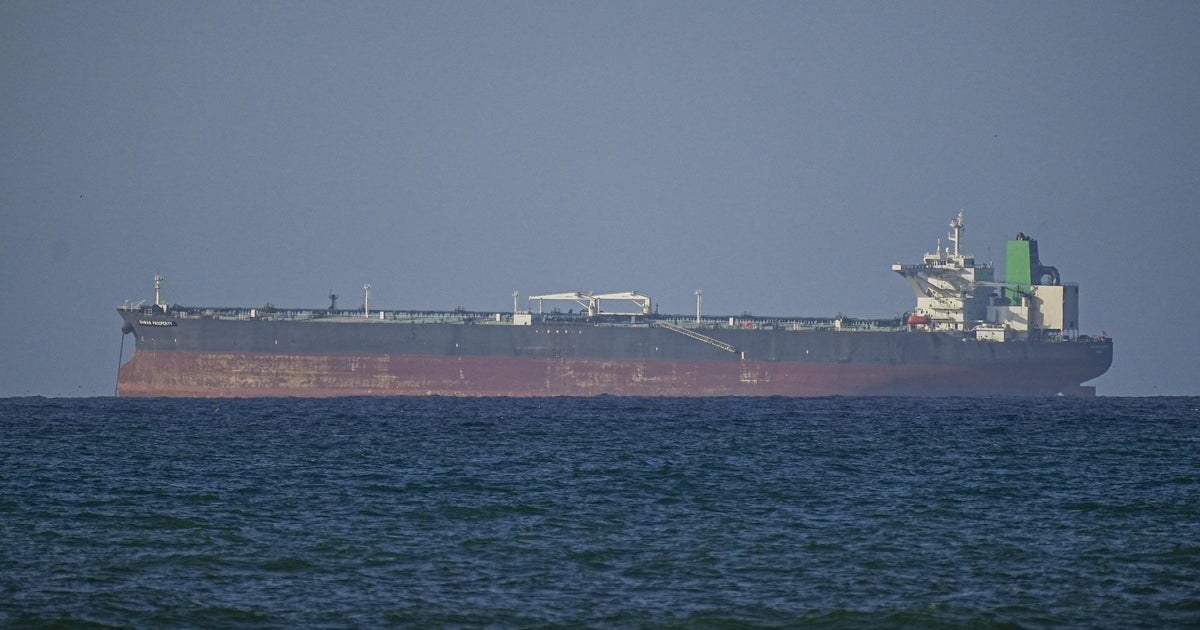
The strategic Strait of Hormuz, a narrow waterway through which roughly one-fifth of the world’s oil supply flows, has become the focus of an urgent U.S. military operation. Two American Navy destroyers have successfully navigated through this vital passage and entered the Arabian Gulf to begin the dangerous work of clearing underwater mines, according to a statement from U.S. Central Command released on Saturday. This operation represents a crucial step toward restoring normal maritime traffic through one of the world’s most important shipping lanes, which has been severely disrupted for weeks due to conflict in the region. The military deployment signals America’s commitment to protecting international commerce and ensuring that global energy supplies can flow freely once again.
The mine-clearing mission is just the beginning of what promises to be an extensive and technically challenging operation. CENTCOM has announced that additional American forces, including sophisticated underwater drones specifically designed for detecting and neutralizing explosives, will arrive in the coming days to support the effort. President Trump took to Truth Social on Saturday to characterize the operation as the United States doing “a favor to Countries all over the world” by undertaking this hazardous work to reopen the strait. He also made the bold claim that all of Iran’s ships capable of laying mines have been destroyed, though this assertion has not been independently verified. The complexity of the task ahead cannot be understated—according to U.S. intelligence assessments shared with CBS News in late March, at least a dozen underwater mines have been strategically placed throughout the waterway, creating a deadly obstacle course for any vessel attempting passage.
Historic Diplomatic Breakthrough Accompanies Military Operations
While Navy personnel risk their lives clearing explosives from the Persian Gulf, an equally significant development has been unfolding on the diplomatic front. Vice President JD Vance traveled to Islamabad, Pakistan, where he participated in groundbreaking trilateral talks involving the United States, Iran, and Pakistan. Saturday’s meeting marked an extraordinary moment in international relations—the first time American and Iranian officials have sat down for face-to-face negotiations since the Islamic Revolution transformed Iran in 1979. For more than four decades, these two nations have maintained a relationship characterized by mutual hostility, conducted primarily through intermediaries or public statements. The highest-level direct contact between the countries prior to this weekend had occurred back in September 2013, when President Barack Obama placed a phone call to Iran’s then-newly elected President Hassan Rouhani to discuss concerns about Iran’s nuclear program. The decision to engage in direct talks now suggests that both nations recognize the urgent need to de-escalate tensions and find a path forward that prevents further conflict.
The Deadly Arsenal Hidden Beneath the Waves
The mines lurking beneath the Strait of Hormuz represent sophisticated military technology designed to inflict maximum damage on passing vessels. American intelligence has identified the specific types of explosive devices deployed in the waterway, including the Maham 3, a moored naval mine equipped with sensors that allow it to detect and respond to approaching ships. Even more insidious is the Maham 7, commonly referred to as a “sticking mine,” which rests camouflaged on the seabed, waiting silently until a target vessel passes within its lethal range before detonating. Both of these weapon systems are manufactured in Iran, according to U.S. officials. The Iranian military didn’t rely solely on underwater mines to blockade the strait—drones and missiles were also deployed to prevent ships from making the passage. This multi-layered approach to shutting down the waterway proved devastatingly effective, bringing maritime traffic through one of the world’s most critical chokepoints to a virtual standstill for six weeks during the height of the conflict.
Presidential Threats and the Push for Peace
Throughout the conflict, President Trump adopted an approach of maximum pressure, issuing stark warnings to Iran about the consequences of keeping the Strait of Hormuz closed to international shipping. His rhetoric was particularly severe, with threats to target Iranian power plants and a chilling warning that “a whole civilization will die” if the vital waterway remained blocked. These aggressive statements reflected both the strategic importance of the strait to global energy markets and the Trump administration’s willingness to consider dramatic military action to reopen it. The economic stakes could hardly be higher—with approximately 20% of the world’s oil supply dependent on passage through this narrow channel, any prolonged disruption threatens to send energy prices soaring worldwide and potentially trigger a global economic crisis. The combination of military pressure, economic consequences, and international diplomatic efforts eventually led to a breakthrough, with the United States and Iran agreeing to a two-week ceasefire that took effect on Tuesday. Since that agreement, some maritime traffic has cautiously begun moving through the strait again, though ship tracking data reviewed by CBS News indicates that the volume remains significantly below normal levels as shipping companies assess the risks.
Long Road to Recovery for Global Oil Markets
Even with the ceasefire in place and mine-clearing operations underway, experts are tempering expectations about how quickly normal oil supplies can be restored. Energy analysts warn that the disruption to global oil markets will continue for months, regardless of how smoothly the peace process proceeds. Henning Gloystein, who serves as managing director of energy, industry and resources at Eurasia Group, a prominent geopolitical risk consultancy, explained that multiple factors will contribute to the extended recovery period. First, significant damage has been inflicted on oil refineries and other critical energy infrastructure during the weeks of conflict, and repairing these facilities will be a time-consuming and expensive process. Second, the shipping companies that operate the massive oil tankers responsible for transporting petroleum products through the region have been traumatized by the recent violence and the very real danger their vessels and crews faced. These companies will need substantial time—Gloystein estimates at least two months—before they feel confident enough to resume full-scale operations in the area. Insurance costs for ships transiting the region are likely to remain elevated, and many shipping firms will implement additional safety protocols and security measures before sending their valuable assets back into waters that were, until very recently, an active war zone. The psychological impact of the crisis on the maritime industry shouldn’t be underestimated; when sailors and shipping executives have watched vessels threatened by mines, drones, and missiles, regaining their confidence requires more than just a ceasefire announcement—it demands concrete evidence that safe passage has been restored and will be maintained.