



Historic Prisoner Exchange Between Ukraine and Russia: What It Means for Peace and Markets
A Breakthrough After Months of Silence
In what marks a significant diplomatic development in the ongoing conflict between Ukraine and Russia, President Volodymyr Zelenskiy has announced the successful completion of a prisoner exchange that brought 314 captives home—157 from each side. This May 8, 2026 swap represents the first such agreement between the two nations since October 2025, breaking what had become an increasingly worrying silence in humanitarian negotiations. The deal came together through careful trilateral discussions held in Abu Dhabi, with the United States taking on the crucial role of mediator. US Special Presidential Envoy Steve Witkoff, who facilitated the negotiations, characterized the talks as both detailed and productive, though he was quick to temper any premature celebrations about broader peace prospects. His cautious optimism reflects the delicate nature of the situation—while this exchange represents genuine progress, the path toward any lasting resolution remains long and uncertain. For the families of those returned, however, this breakthrough means everything, ending months of agonizing uncertainty about their loved ones’ fates.
The Details Behind the Deal
The prisoner exchange didn’t happen in a vacuum—it required extensive behind-the-scenes diplomacy that had been absent from the Ukraine-Russia relationship for more than half a year. The choice of Abu Dhabi as the negotiating venue was strategic, providing neutral ground where all parties could engage without the political baggage that would have accompanied meetings in either Western or Russian-aligned territories. The United Arab Emirates has increasingly positioned itself as a diplomatic bridge-builder in international conflicts, and this successful mediation adds another notch to that reputation. Steve Witkoff’s involvement is particularly noteworthy, signaling that the current US administration sees value in facilitating these incremental humanitarian steps even when comprehensive peace negotiations remain stalled. The even split—157 prisoners from each side—suggests that both Ukraine and Russia were willing to work toward a balanced agreement, which itself is a positive sign given how entrenched positions have become on most issues related to the conflict. President Zelenskiy has been careful not to oversell what this exchange means, notably refraining from suggesting that broader ceasefire discussions are underway. This measured approach likely reflects hard lessons learned about managing public expectations during wartime.
Reading the Diplomatic Tea Leaves
The seven-month gap between prisoner exchanges had become more than just a humanitarian concern—it had evolved into a barometer measuring just how frozen diplomatic channels between Kyiv and Moscow had become. When even basic humanitarian agreements prove impossible to reach, it signals that the broader relationship has hit rock bottom. That’s what made the October 2025 to May 2026 period so concerning for those monitoring the conflict. The resumption of exchanges, therefore, carries symbolic weight beyond the immediate relief it brings to the families involved. It suggests that despite the ongoing military confrontation, some form of back-channel communication remains functional, which is essential if any future de-escalation is to occur. Witkoff’s careful framing of the situation—acknowledging progress while explicitly noting that the “finish line” isn’t anywhere close—reflects the reality that prisoner swaps, while important, don’t automatically translate into broader peace. They can, however, create the conditions where further dialogue becomes possible. The fact that both sides were willing to engage in this exchange might indicate a slight thawing in positions, or it might simply reflect pragmatic calculations about managing domestic pressure regarding prisoners of war. Either way, it’s a development worth noting in the larger timeline of this conflict.
The Cryptocurrency Angle That Wasn’t
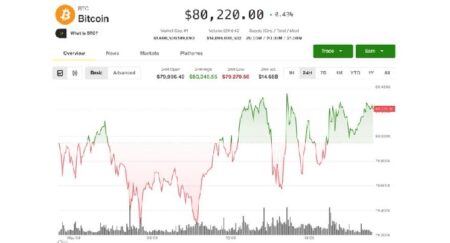
For those tracking both geopolitical developments and cryptocurrency markets, the question naturally arises: did this significant diplomatic breakthrough have any impact on Bitcoin or broader crypto markets? The short answer is no. A survey of major cryptocurrency publications found essentially zero coverage of the prisoner exchange, and Bitcoin’s price movements around May 8, 2026 showed no discernible reaction to the news. This lack of response might seem surprising given Ukraine’s deep integration with the cryptocurrency ecosystem since the conflict began in February 2022. However, it actually makes perfect sense when you consider what really drives crypto valuations. While Ukraine has successfully raised over $250 million in cryptocurrency donations—with Bitcoin and Ethereum providing a significant portion of that total—and while the Ukrainian government’s 2022 legalization of digital assets helped fuel a booming local crypto sector, these factors have already been priced into market expectations. The crypto community’s enthusiastic support for Ukraine is old news at this point, already reflected in whatever impact it was going to have on valuations. A prisoner exchange, no matter how diplomatically significant, doesn’t fundamentally change Ukraine’s cryptocurrency adoption story or alter the country’s position in the digital asset ecosystem.
What Actually Moves Crypto Markets
The muted market response to this prisoner exchange highlights an important reality about cryptocurrency valuation: geopolitical events generally only move crypto prices when they directly impact the fundamental factors driving adoption and value. For Bitcoin specifically, the current market drivers remain firmly rooted in traditional financial dynamics. Monetary policy decisions by major central banks—particularly the US Federal Reserve—continue to exert enormous influence on risk asset prices, including cryptocurrencies. When interest rates rise or fall, when quantitative tightening or easing policies shift, Bitcoin and other digital assets respond accordingly because these changes affect investor appetite for assets outside traditional safe havens. Exchange-traded fund (ETF) flows have become another critical factor, with the approval of spot Bitcoin ETFs opening massive new channels for institutional capital to enter the crypto market. Daily inflows and outflows from these investment vehicles now represent some of the most closely watched metrics in the industry. On-chain data—measuring actual activity on blockchain networks—provides another layer of fundamental analysis, with metrics like active addresses, transaction volumes, and the behavior of long-term holders offering insights into underlying demand. Against these powerful market forces, even significant geopolitical developments like prisoner exchanges fade into background noise unless they directly threaten the infrastructure supporting cryptocurrency adoption or dramatically shift the regulatory landscape.
Looking Forward: Separate Paths, Shared Uncertainty
As we assess both the diplomatic significance of this prisoner exchange and its market implications, we’re left with a picture of two largely separate narratives that occasionally intersect but generally follow their own logic. On the geopolitical front, this exchange represents genuine progress in humanitarian terms and potentially creates space for further dialogue between Ukraine and Russia, even if comprehensive peace remains distant. The involvement of US mediators suggests that incremental de-escalation remains possible even when broader negotiations seem stuck. For the 314 individuals and their families, this diplomatic breakthrough is life-changing, regardless of what it might or might not signal about the war’s trajectory. On the cryptocurrency front, the market continues to march to its own drum, driven by the fundamentals of adoption, regulation, and macroeconomic conditions rather than by every development in the Ukraine-Russia conflict. Ukraine’s role as a crypto-friendly nation and major recipient of digital asset donations has already influenced market sentiment to whatever degree it was going to. Future geopolitical developments will matter to crypto valuations, but primarily when they represent major structural shifts—like widespread adoption by nation-states, dramatic regulatory changes, or significant threats to the global financial system that might drive investors toward decentralized alternatives. A prisoner exchange, however welcome, doesn’t rise to that level of market-moving significance. As we move forward, both stories—the slow, difficult path toward peace in Eastern Europe and the volatile, innovation-driven trajectory of cryptocurrency markets—will continue to unfold largely on their own terms, occasionally intersecting but never fully merging into a single narrative.