


What to Look Out For in the NCAA Tournament’s Final Four
The Stage is Set for College Basketball’s Biggest Weekend
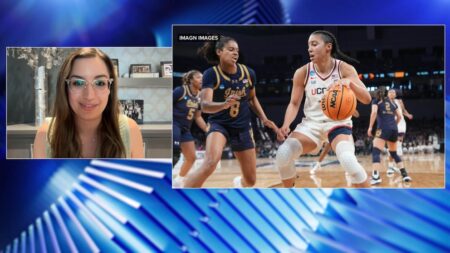
As the final weekend of college basketball approaches, fans across the nation are gearing up for what promises to be an unforgettable conclusion to the NCAA Tournament. The Final Four represents the pinnacle of college basketball, where only four teams remain standing after weeks of intense competition, bracket-busting upsets, and unforgettable performances. ABC News’ Stephanie Ramos sat down with two of ESPN’s most respected college basketball analysts, Carolyn Peck and Terrence Oglesby, to break down both the men’s and women’s Final Four matchups. These conversations revealed not just the X’s and O’s of the upcoming games, but the human stories, the momentum shifts, and the intangible factors that could ultimately determine which teams cut down the nets and claim championship glory. With their combined expertise—Peck as a former championship-winning coach and Oglesby as a former player with deep knowledge of the game—they offered unique perspectives on what fans should watch for as the tournament reaches its climactic conclusion.
Understanding the Journey to the Final Four
The road to the Final Four is never easy, and this year’s participants have all demonstrated remarkable resilience and skill to reach this stage. Both Peck and Oglesby emphasized that by the time teams arrive at the Final Four, the margin between victory and defeat becomes razor-thin. These aren’t just talented teams—they’re battle-tested squads that have survived the pressure-cooker environment of March Madness, where a single bad game or even a few poor minutes can end a season. The analysts highlighted how each remaining team has developed its own identity throughout the tournament, whether through suffocating defense, explosive offensive firepower, veteran leadership, or the emergence of unlikely heroes. What makes the Final Four so compelling is that these different styles and strengths will now collide on the biggest stage in college basketball. Peck noted that coaches earn their reputations in moments like these, when adjustments must be made on the fly and when motivating players becomes just as important as drawing up the perfect play. Oglesby added that players who can handle the immense pressure of the Final Four often share certain characteristics: mental toughness, the ability to stay present in the moment rather than being overwhelmed by the occasion, and a willingness to sacrifice individual glory for team success. As they discussed the specific matchups, both analysts made clear that while talent matters enormously, the teams that execute their game plans with discipline and composure under pressure will have the advantage.
Breaking Down the Men’s Final Four Matchups
When analyzing the men’s bracket, Peck and Oglesby dove deep into the stylistic contrasts between the remaining teams and what those differences might mean when they face off. They discussed how certain matchups favor specific styles of play—whether a team that thrives in transition will face a squad that excels at slowing the pace and grinding out possessions, or whether a three-point shooting team will encounter a defense designed to take away the perimeter game. The analysts emphasized the importance of guard play in the modern college game, noting that teams with exceptional point guard play often have an edge in the Final Four because these players can control tempo, make crucial decisions under pressure, and hit big shots when defenses focus on stopping primary scorers. They also highlighted the significance of frontcourt presence, especially teams with dominant big men who can control the paint on both ends of the floor, protect the rim defensively, and create second-chance opportunities through offensive rebounding. Oglesby specifically pointed out that coaching experience matters significantly at this stage, as coaches who have been to Final Fours before often have a slight advantage in preparing their teams for the unique atmosphere and pressure. Beyond the strategic elements, both analysts discussed the emotional and psychological dimensions of these games—how a team that believes it’s destined to win can sometimes overcome talent deficits through sheer confidence and collective will. They cautioned viewers not to overlook the “intangibles” like team chemistry, which becomes magnified in high-stakes situations where players must trust one another completely. As they wrapped up their men’s bracket analysis, both Peck and Oglesby admitted that predicting a champion at this stage is nearly impossible because the talent level is so evenly distributed, but they offered their insights on which teams might have slight edges based on matchups, momentum, and the ability to handle adversity.
Analyzing the Women’s Final Four Contenders
The conversation then shifted to the women’s tournament, where Peck’s expertise as a former women’s college basketball coach and national champion provided particularly valuable insights. Both analysts expressed excitement about the level of talent and competitive balance in the women’s game, noting how the gap between traditional powerhouses and emerging programs has narrowed considerably in recent years. They discussed how women’s basketball has evolved tactically, with teams incorporating more versatile offensive schemes, sophisticated defensive strategies, and positionless basketball concepts that were once primarily associated with men’s basketball. Peck emphasized that the women’s Final Four often showcases exceptional fundamental basketball—crisp passing, disciplined defensive rotations, and efficient shot selection—that reflects the quality of coaching and player development in women’s college basketball. The analysts broke down the specific strengths of each remaining women’s team, discussing everything from individual star power to depth of roster to coaching philosophies. They noted which teams had the best defensive metrics throughout the tournament, which offensive systems had proven most difficult for opponents to counter, and which players had elevated their games when the stakes were highest. Oglesby pointed out that women’s basketball players often display a different kind of mental toughness than their male counterparts, frequently showing remarkable composure and basketball IQ in pressure situations. The discussion also touched on the growing visibility and popularity of women’s college basketball, with both analysts celebrating how television ratings, attendance figures, and social media engagement have all trended upward. This increased attention, they noted, adds another layer of pressure but also provides these athletes with a platform they richly deserve. As they evaluated championship probabilities in the women’s tournament, Peck and Oglesby identified key matchup advantages and potential X-factors—role players who might emerge as stars, coaching adjustments that could swing games, and the importance of staying healthy and avoiding foul trouble at this critical stage.
The Human Element: Stories Beyond the Statistics
What made the conversation with Peck and Oglesby particularly engaging was their focus on the human stories behind the teams competing for championships. Both analysts emphasized that while statistics and matchup analysis provide important context, the Final Four is ultimately about young athletes pursuing dreams they’ve held since childhood. They discussed the journeys of individual players—those who overcame injuries, academic challenges, or personal adversity to reach this moment. Peck shared insights about the emotional weight that senior players carry during the Final Four, knowing that their college careers will end within days and that this represents their last opportunity to achieve the ultimate goal. These seniors often play with a desperation and urgency that can be contagious, lifting entire teams through their example and leadership. Oglesby talked about the coaches whose reputations might be defined by how their teams perform this weekend—some seeking their first championship to cement their legacies, others hoping to add another title to already decorated careers. The analysts also discussed how the Final Four impacts players’ futures, with NBA and WNBA scouts watching closely and strong performances potentially translating to improved draft positions and professional opportunities. Beyond individual stories, they highlighted the significance of the Final Four for the communities and campuses these teams represent. For smaller schools making unexpected runs, the exposure and pride generated by a Final Four appearance can transform institutional identities and inspire future generations of students and athletes. Even for traditional powerhouses, championship runs create shared memories that alumni and fans cherish for lifetimes. This human dimension, both analysts agreed, is what makes the NCAA Tournament special—it’s not just about basketball skill but about young people navigating pressure, handling success and failure, and writing stories that will be retold for years to come.
Final Predictions and What to Watch
As the conversation concluded, Ramos pressed both Peck and Oglesby for their championship predictions, though both analysts were appropriately cautious about making definitive calls given the quality and parity among the remaining teams. They offered thoughtful analysis about which teams might have slight advantages based on the matchups, which coaches might make the difference in close games, and which players could emerge as tournament heroes. However, they both emphasized that the beauty of the Final Four lies in its unpredictability—that on any given night, the team that executes best, handles pressure most effectively, and gets timely contributions from unexpected sources can emerge victorious. They encouraged viewers to watch for specific tactical adjustments, particularly how coaches respond to their opponents’ strategies after halftime. They highlighted the importance of free throw shooting in close games, noting that championships are often decided by which team makes routine plays under extraordinary pressure. They also pointed to the significance of turnovers and offensive rebounds, statistical categories that often determine winners and losers when talent levels are evenly matched. Beyond the tactical elements, both analysts encouraged fans to simply appreciate the moment—to recognize that they’re watching some of the finest college basketball players in the country competing at the highest level, and that these games represent the culmination of lifelong dreams for everyone involved. Whether you’re a die-hard fan of one of the remaining teams or a neutral observer who simply loves great basketball, the Final Four promises drama, excellence, and unforgettable moments. As Peck and Oglesby wrapped up their analysis, their genuine enthusiasm for the upcoming games was evident, reminding viewers that even experts who analyze basketball for a living still feel the magic and excitement of the NCAA Tournament’s final weekend.