

Trump’s Iran Peace Signals Spark Fresh Hope in Cryptocurrency Markets
Geopolitical Shifts Driving Sudden Market Optimism
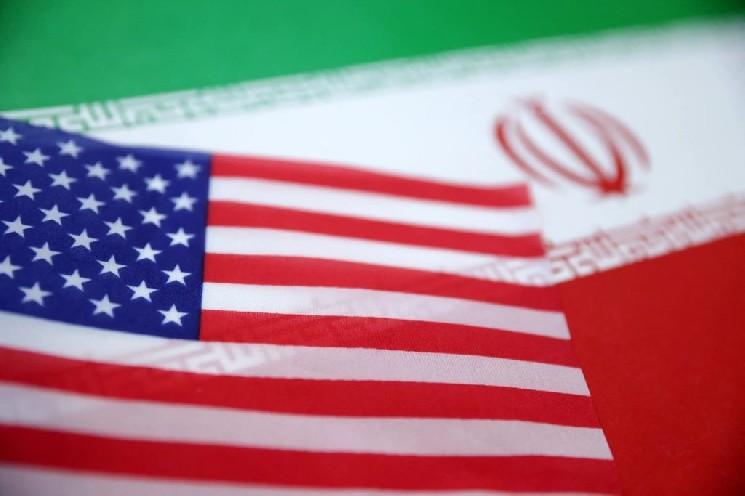
The cryptocurrency world experienced a notable surge of optimism recently after US President Donald Trump made statements suggesting that ongoing tensions with Iran could be nearing resolution. His comments that “the war will end soon” sent ripples through financial markets, triggering immediate positive reactions across the crypto landscape. Following weeks of uncertainty and contradictory messaging from the White House, this sudden shift in tone has given traders and investors renewed confidence. Bitcoin, the flagship cryptocurrency, climbed to $68,594 in response to this news, while Ethereum and numerous altcoins also posted impressive gains. Market participants are now recalibrating their strategies, considering what a potential de-escalation in Middle Eastern tensions might mean for digital assets in both the short and long term.
The connection between geopolitical stability and cryptocurrency performance has become increasingly apparent in recent years. When international tensions flare, markets typically experience heightened volatility as investors scramble to protect their capital and reassess risk profiles. The recent conflict involving Iran had created significant uncertainty across all financial markets, not just cryptocurrencies. Traditional stock markets, commodities, and digital assets all experienced turbulence as traders tried to anticipate how the situation might develop. Trump’s more conciliatory tone represents a potential turning point that could usher in a period of relative calm, allowing markets to stabilize and potentially rally as fear subsides and confidence returns to the global economic stage.
Expert Analysis on Bitcoin’s Safe Haven Debate
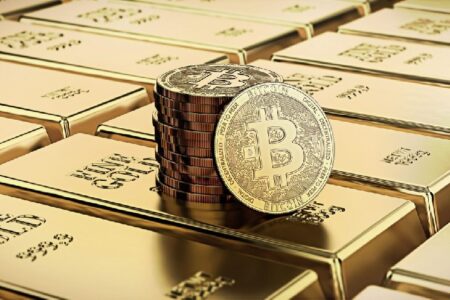
Industry experts have been quick to analyze the implications of potential peace on cryptocurrency valuations. Norman Wooding, CEO of SCRYPT, provided particularly insightful commentary on how market dynamics might shift if geopolitical tensions genuinely ease. According to Wooding, a reduction in international conflict could lead to a reallocation of capital away from traditional safe-haven assets. During periods of heightened global uncertainty, investors typically flock to assets like gold, government bonds, and increasingly, Bitcoin. However, if peace prospects improve and risk perceptions diminish, money could flow back into traditional risky assets such as stocks, corporate bonds, and growth-oriented investments. This shift could create interesting dynamics for cryptocurrencies, which occupy a unique space between safe-haven and speculative assets.
James Butterfill, the research head at CoinShares, offered additional perspective on Bitcoin’s evolving market position. He argued that geopolitical developments have been instrumental in shaping Bitcoin’s performance over recent months. According to Butterfill’s analysis, Bitcoin maintains its fundamental characteristics as a “risky asset” – meaning it typically behaves like stocks and other growth investments during normal market conditions. However, something fascinating has happened recently: Bitcoin has temporarily assumed a “safe haven” perception by outperforming traditional stocks during the period of heightened tensions. This dual nature makes Bitcoin particularly interesting to analyze because it doesn’t fit neatly into traditional investment categories. The cryptocurrency has demonstrated resilience and even growth while stock markets struggled, suggesting that some investors view it as a hedge against geopolitical instability, similar to how gold has traditionally functioned.
Institutional Investors Taking the Long View
Perhaps one of the most significant developments in the cryptocurrency space is the changing profile of investors entering the market. Market analysts have observed a noteworthy shift in who is buying and holding digital assets, and more importantly, how these new participants approach their investments. Institutional investors – including pension funds, university endowments, and other large financial entities – are increasingly viewing crypto assets through a long-term strategic lens rather than as short-term trading opportunities. These sophisticated investors are not making reactive decisions based on immediate geopolitical developments or day-to-day price fluctuations. Instead, they’re taking multi-year positions based on fundamental beliefs about the future role of digital assets in the global financial system.
This institutional patience contrasts sharply with the behavior of retail traders who often react quickly to news headlines. The presence of these long-term institutional holders provides a stabilizing force in the market, potentially reducing volatility over time. Pension funds and university endowments manage billions of dollars with time horizons measured in decades, not days or weeks. Their entry into cryptocurrency markets signals growing mainstream acceptance and suggests that digital assets are increasingly viewed as legitimate components of diversified investment portfolios. This institutional involvement could mean that while short-term traders might react dramatically to news like Trump’s Iran comments, a growing base of long-term holders will continue maintaining their positions regardless of temporary geopolitical fluctuations. This dynamic creates a more mature market structure that may be less prone to extreme volatility than cryptocurrency markets of the past.
The Critical Connection Between Oil Prices and Crypto Markets
An often-overlooked factor in cryptocurrency performance is the price of oil, which experts identify as a critical variable influencing digital asset markets. The relationship might not be immediately obvious, but it operates through important macroeconomic channels. When geopolitical tensions escalate, particularly in oil-producing regions like the Middle East, energy prices typically surge as markets price in potential supply disruptions. These rising oil prices create inflationary pressures throughout the global economy because energy costs affect virtually every sector – from manufacturing and transportation to heating homes and powering data centers. When inflation rises, central banks face difficult decisions about monetary policy, often choosing to maintain higher interest rates or postpone planned rate cuts to combat price increases.
The connection to cryptocurrency becomes clear when we consider how monetary policy affects market liquidity. Higher interest rates and tighter monetary conditions generally reduce the amount of money flowing through financial markets. When borrowing becomes more expensive and returns on safe investments like government bonds increase, investors naturally become more cautious about speculative investments like cryptocurrencies. The conflict with Iran had driven oil prices higher, which in turn caused central banks to adopt a more cautious stance on interest rate reductions, effectively limiting liquidity available for crypto investments. However, if Trump’s peace signals prove accurate and tensions genuinely subside, oil prices could decline as supply concerns ease. Lower energy prices would reduce inflationary pressure, potentially giving central banks room to implement looser monetary policies through interest rate cuts. This scenario would increase market liquidity, creating a more supportive environment for Bitcoin and other cryptocurrencies to thrive. More money circulating through financial systems typically benefits risk assets, including digital currencies, as investors search for higher returns than those offered by traditional fixed-income investments.
Short-Term Recovery Versus Long-Term Trajectory
Market analysts suggest that if the peace process moves forward, we could see a short-term recovery phase in cryptocurrency markets as uncertainty diminishes and risk appetite returns. This potential bounce would likely be driven by traders who had previously moved to the sidelines or reduced positions during the period of heightened tension. As confidence returns, these market participants might re-enter crypto markets, driving prices higher through increased demand. The initial phase of any peace agreement or de-escalation typically generates positive sentiment that can fuel rallies across risky asset classes. Bitcoin, given its position as the dominant cryptocurrency and its increasing correlation with broader risk sentiment, would likely lead any such recovery.
However, the distinction between short-term trading opportunities and long-term investment thesis remains important. While peace signals might trigger immediate price movements, the fundamental factors that will determine cryptocurrency valuations over months and years remain largely unchanged. These include adoption rates, regulatory developments, technological improvements, institutional acceptance, and the evolution of use cases for blockchain technology. The geopolitical situation, while certainly impactful in the short term, represents just one of many variables influencing crypto asset prices. Seasoned investors understand that reacting to every news headline can lead to poor decision-making and unnecessary trading costs. Instead, maintaining focus on fundamental developments while being aware of macro conditions like geopolitical tensions provides a more balanced approach to cryptocurrency investment. The current situation presents an interesting case study in how external events can create both opportunities and risks, reminding all market participants that cryptocurrency investing requires attention to a complex web of interconnected factors spanning technology, economics, politics, and human psychology.
This article is for informational purposes only and should not be considered investment advice. Cryptocurrency investments carry substantial risk, and individuals should conduct thorough research and consult with financial professionals before making investment decisions.