
The Ongoing Toll of Conflict: Strikes and Safety Concerns Mark Chernobyl’s 40th Anniversary
A Weekend of Devastating Losses
The weekend brought fresh tragedy to Ukraine as a series of strikes across the war-torn nation, Russian-occupied territories, and deep into Russia itself claimed at least 16 lives. These attacks came at a particularly poignant moment—the 40th anniversary of the Chernobyl nuclear disaster—prompting urgent warnings from international leaders about the dangerous proximity of military operations to the infamous nuclear site. The city of Dnipro bore the brunt of the violence, with Russian drone and missile strikes killing nine people, according to regional head Oleksandr Hanzha. Meanwhile, in the Russian-occupied Crimean port city of Sevastopol, one man lost his life in a Ukrainian drone strike, as reported by Moscow-installed authorities. The death toll continued to climb in Ukraine’s Luhansk region, where three people were killed in an overnight Ukrainian drone attack on a village, adding to two earlier casualties reported Saturday morning. Russia recently claimed full control of this region, though Ukraine disputes this assertion. The violence also reached into Russian territory, where a woman was killed in a Ukrainian drone attack on the Belgorod border region, underscoring how this conflict continues to blur traditional battle lines and bring suffering to civilians on all sides.
Ukraine’s Long-Reach Strategy Against Russian Infrastructure
In a significant escalation, Ukrainian forces demonstrated their growing military capabilities by striking an oil refinery in Yaroslavl, located deep within Russian territory. This attack, confirmed by Ukraine’s General Staff, ignited fires at a facility that processes an impressive 15 million tons of oil annually and produces essential fuels—gasoline, diesel, and jet fuel—that power the Russian military machine. The strategic implications of such strikes cannot be overstated. Ukraine has successfully developed its own long-range drone technology capable of reaching targets approximately 1,500 kilometers (900 miles) inside Russia, fundamentally changing the dynamics of the conflict. These sophisticated weapons have been increasingly deployed against Russian oil facilities, particularly as tensions mount over Moscow’s efforts to boost oil exports. The timing is especially contentious given that the Trump administration recently granted Russia a temporary waiver from sanctions, ostensibly to ease global supply constraints. Ukrainian officials have expressed deep frustration with this decision, arguing that the additional revenue will inevitably fund new weapons that Russia will use to intensify its attacks on Ukrainian cities and infrastructure. This cat-and-mouse game of strike and counterstrike illustrates how modern warfare has evolved, with drones bringing the conflict to the very heart of Russian industrial capacity.
Chernobyl’s Shadow: History’s Warning Echoes in Present Danger
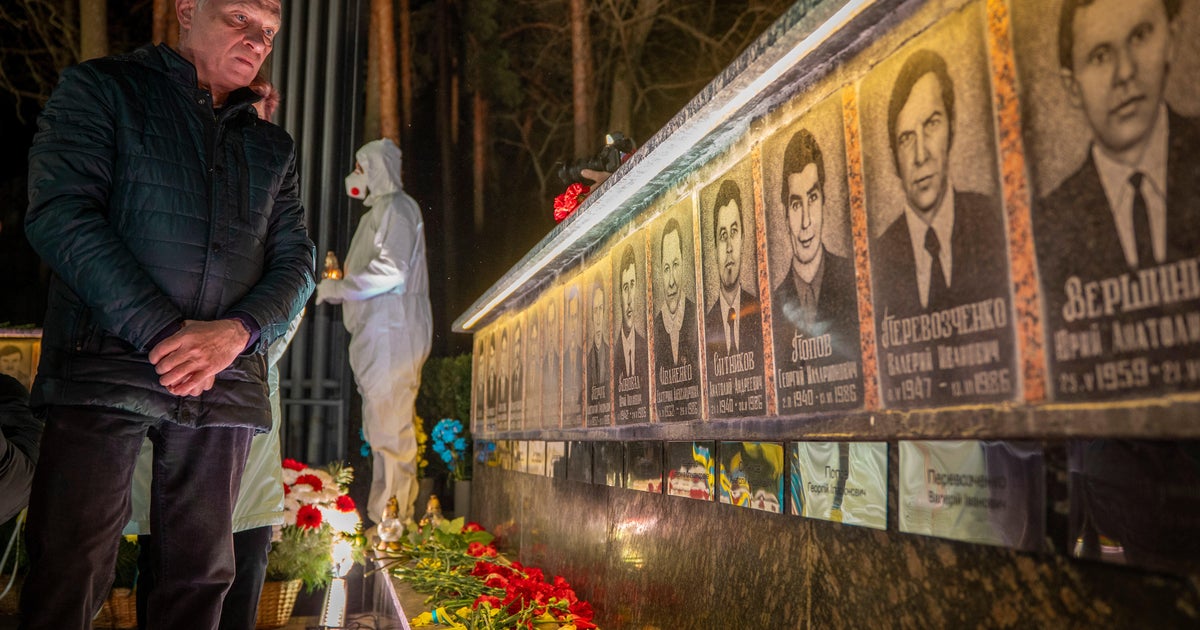
President Volodymyr Zelenskyy chose the solemn 40th anniversary of the Chernobyl disaster to issue a stark warning about history repeating itself. In a Facebook post marking this dark milestone, he emphasized how Russia’s ongoing military campaign has brought the world “once again to the brink of a man-made disaster.” His concerns are far from abstract fearmongering. Russian-Iranian Shahed drones regularly fly over the Chernobyl plant, and one of these unmanned aircraft actually struck the confinement structure last year—a terrifying near-miss that could have had catastrophic consequences. Zelenskyy’s message was clear and urgent: “The world must not allow this nuclear terrorism to continue, and the best way is to force Russia to stop its reckless attacks.” The weight of his words carries particular gravity when considering that Chernobyl remains one of humanity’s worst nuclear disasters, with radiation effects still measurable four decades later. The original catastrophe in 1986 released radioactive material across Europe and left an exclusion zone that remains largely uninhabitable today. The thought of new damage to the site’s containment structures—whether through direct targeting or collateral damage from nearby military operations—represents an unthinkable risk not just for Ukraine but for the entire European continent and beyond.
Urgent Repairs and Mounting Costs
Rafael Grossi, the director general of the International Atomic Energy Agency (IAEA), traveled to Kyiv to personally underscore the urgency of the situation at Chernobyl. His message was unequivocal: repairs to the plant’s damaged outer protective shell must begin immediately, not months or years from now. IAEA assessments have revealed troubling findings—the damage sustained from last year’s strike has already compromised a key safety function of the protective structure. Grossi warned that years of inaction could dramatically increase the danger to the original sarcophagus that lies beneath the newer confinement shell. The financial implications are staggering: the European Bank for Reconstruction and Development estimates that proper repairs will require at least 500 million euros (approximately $586 million). Ukrainian officials report that a Russian drone struck the outer shell of the plant’s New Safe Confinement structure in February 2025. This massive archlike enclosure, which cost $2.1 billion and was completed in 2019, was specifically designed to cover the remains of Reactor No. 4—the site of the original 1986 explosion. Moscow has predictably denied targeting the plant, instead alleging that Kyiv staged the attack—a claim that international observers have met with skepticism given Russia’s track record of denying responsibility for attacks throughout the conflict.
The North Korea Connection: A Growing Alliance
Adding another layer of complexity to an already intricate geopolitical situation, Russia’s Defense Minister Andrei Belousov traveled to North Korea on Sunday for discussions with leader Kim Jong Un about deepening military cooperation between the two nations. According to Russia’s state news agency Ria Novosti, Belousov announced that the countries had agreed to “transition military cooperation to a sustainable, long-term basis”—language that suggests a formalization of what had previously been more ad hoc arrangements. During this visit, Belousov presented the Russian Order of Courage to North Korean service members who had served in Russia’s Kursk region, where Ukraine launched a surprising incursion in August 2024. This public recognition of North Korean troops fighting in Europe represents a remarkable development in modern warfare. Kim Jong Un has committed thousands of troops to support Russia’s war effort, along with substantial weapons shipments, transforming what began as a conflict between Russia and Ukraine into something approaching a broader international confrontation. This alliance between Moscow and Pyongyang has alarmed Western observers, who see it as evidence of Russia’s increasing isolation from democratic nations and its willingness to embrace partnerships with some of the world’s most authoritarian regimes in order to sustain its military campaign.
The Human Cost and the Path Forward
As this conflict stretches beyond four years, the human toll continues to mount in ways both immediate and long-term. The 16 deaths from this weekend’s strikes represent just the latest additions to casualty lists that have grown tragically long on both sides. Families in Dnipro mourn their nine dead, while communities in Sevastopol, Luhansk, and Belgorod likewise grieve their losses. The nature of modern drone warfare means that no location feels truly safe—attacks can come from the sky with little warning, whether you’re in a Ukrainian city, occupied Crimea, or deep inside Russian territory. Yet beyond the immediate casualties lies a more insidious threat: the potential for a nuclear catastrophe that could dwarf even the horrific toll of conventional warfare. The damaged confinement structure at Chernobyl represents a sword hanging over not just Ukraine but much of Europe. The international community faces difficult questions about how to protect critical nuclear infrastructure during wartime, how to fund necessary repairs when resources are stretched thin, and how to hold parties accountable for attacks that risk radiological disaster. As President Zelenskyy aptly noted, preventing “nuclear terrorism” requires forcing Russia to stop its reckless attacks—but achieving that goal has proven frustratingly elusive despite years of sanctions, military aid to Ukraine, and diplomatic pressure. The 40th anniversary of Chernobyl serves as a somber reminder that some mistakes carry consequences that echo across generations, and that vigilance in protecting these dangerous sites cannot waver, even—or especially—during wartime.