



The Met Gala 2026: Fashion’s Most Exclusive and Expensive Night
A Night Where Fashion Meets Unprecedented Luxury
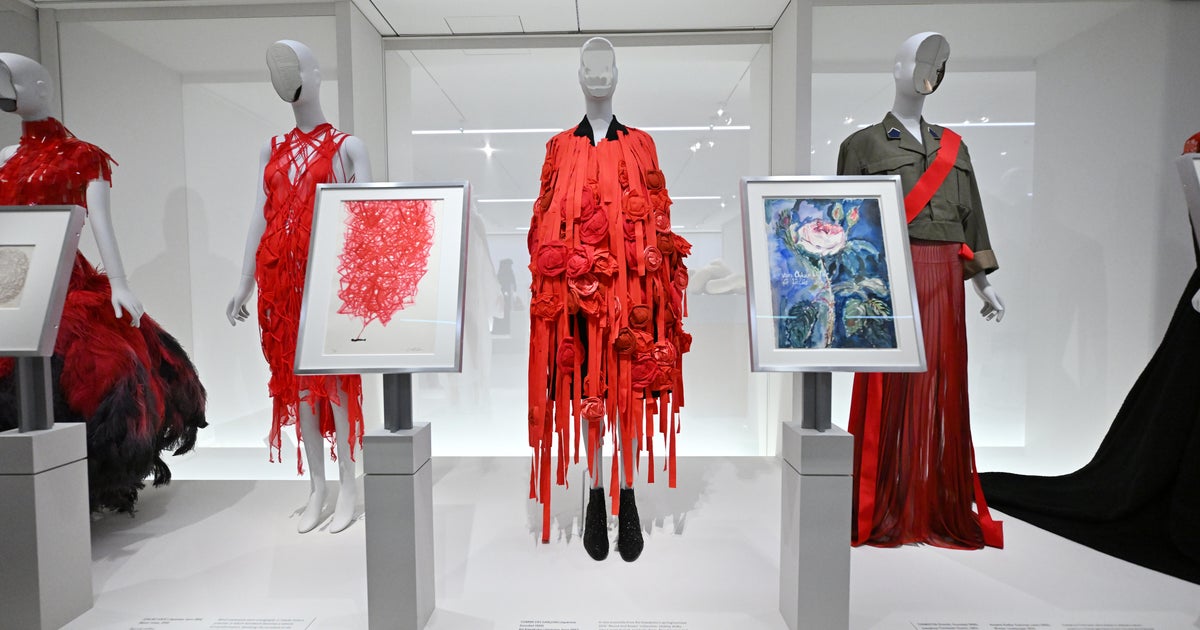
The Met Gala has always been synonymous with glamour, creativity, and exclusivity, but this year’s event is taking extravagance to an entirely new level. For the first time in its nearly eight-decade history, tickets to fashion’s most anticipated night have crossed into six-figure territory, with individual seats commanding a staggering $100,000 each. That’s a significant jump from last year’s already hefty $75,000 price tag. If you’re thinking about bringing a group, a table for ten starts at $350,000 – a price point that firmly establishes this as an event reserved for the ultra-wealthy and influential. The 2026 gala, taking place on Monday night, continues to honor the opening of the spring exhibition at the Metropolitan Museum of Art’s Costume Institute, maintaining a tradition that began in 1948 as a modest midnight supper club. This year’s theme, “Fashion is Art,” draws inspiration from the upcoming “Costume Art” exhibit, which thoughtfully examines the intricate relationship between clothing and the human form beneath it. Around 400 carefully selected guests are expected to grace the red carpet, representing the pinnacle of achievement in entertainment, sports, business, and creative industries.
The Power Players Behind This Year’s Event
This year’s Met Gala boasts a particularly notable lineup of sponsors and chairs that reflects both traditional fashion royalty and new money power. Amazon founder Jeff Bezos and his wife, Lauren Sánchez Bezos, have been named honorary chairs and are sponsoring the event – a choice that has sparked both interest and controversy. With Bezos’s net worth sitting at an astronomical $286 billion according to the Bloomberg Billionaires Index, his involvement represents a new era of tech billionaire integration into the traditionally fashion-focused event. The official co-chairs read like a who’s who of contemporary icons: Beyoncé, whose influence spans music, fashion, and culture; Nicole Kidman, a Hollywood legend with impeccable style credentials; Venus Williams, who has transcended sports to become a fashion entrepreneur; and Anna Wintour, the legendary Vogue editor who has been instrumental in transforming the Met Gala into the cultural phenomenon it is today. This blend of entertainment, athletics, and fashion journalism expertise ensures the event maintains its multifaceted appeal while pushing boundaries in new directions. The Metropolitan Museum itself hasn’t disclosed exactly how much Bezos and Sánchez are contributing to the event, though their involvement as sponsors suggests a substantial financial commitment beyond the already expensive ticket prices.
The Economics of Exclusivity: Who Pays and Who Gets In Free
The economics of the Met Gala operate in ways that only make sense in the rarefied air of extreme wealth and celebrity culture. First and foremost, tickets aren’t available for public purchase – you must receive a coveted invitation, making the event inherently exclusive regardless of one’s ability to pay. For those fortunate enough to be invited, the $100,000 ticket price represents just the beginning of what attending might cost when you factor in designer clothing, jewelry, hair, makeup, and transportation. However, not everyone who walks the famous Met steps actually pays their own way. According to former attendees who have shared insights with media outlets, fashion houses often purchase entire tables and then cover the costs for select celebrities, models, and influencers who will wear their designs. This practice serves as a marketing investment for these brands, as the global media coverage and social media reach generated by having the right celebrity in your design can be worth millions in advertising value. It’s a symbiotic relationship where fashion houses gain exposure, celebrities get to participate in a prestigious cultural event without financial burden, and the Metropolitan Museum benefits from the overall spectacle that drives donations and ticket sales. This year’s event is expected to continue this tradition, with designers carefully selecting their representatives months in advance, often creating custom pieces specifically for the gala that align with the theme while showcasing their creative vision.
Where the Money Goes and Why It Matters
While the ticket prices might seem excessive to the average person, the proceeds serve an important cultural purpose. The funds raised from the Met Gala directly support the Metropolitan Museum of Art’s Costume Institute, helping to preserve fashion history, fund exhibitions, and support educational programs that explore the cultural and artistic significance of clothing throughout human history. Last year’s event raised an impressive $31 million, demonstrating the gala’s importance as a fundraising mechanism for the institution. The Costume Institute houses one of the world’s most comprehensive collections of fashion and textiles, with pieces spanning five continents and seven centuries of human creativity. Without substantial funding, maintaining these delicate historical garments, conducting scholarly research, and creating the elaborate exhibitions that draw millions of visitors annually would be impossible. The Met Gala essentially allows the wealthy and famous to support cultural preservation while enjoying an exclusive social experience. It’s a model that has proven remarkably successful over the decades, transforming what was once a modest fundraiser into a global phenomenon that generates significant revenue while simultaneously celebrating creativity and craftsmanship. The event has become so culturally significant that its themes, fashion moments, and attendee lists dominate social media and news cycles for days afterward, generating invaluable publicity for both the museum and the fashion industry as a whole.
Controversy, Activism, and Notable Absences
Not everyone is celebrating the increasingly expensive and exclusive nature of fashion’s biggest night. The involvement of Jeff Bezos as a sponsor has sparked backlash from activist groups, most notably Everyone Hates Elon, which staged a protest by hacking subway display cases to post anti-billionaire messages. The protesters’ concerns center on the growing wealth inequality in America and the perceived disconnect between billionaire-sponsored galas and the struggles of ordinary people. This tension reflects broader societal debates about wealth concentration, tax policy, and the appropriate role of the ultra-wealthy in cultural institutions. Adding another dimension to this year’s event is the notable absence of New York City Mayor Zohran Mamdani and his wife, Rama Duwaji. Mamdani, a democratic socialist who campaigned on making New York more affordable for working families, appears to be making a statement by declining to attend, breaking with the tradition established by previous mayors Eric Adams, Bill de Blasio, and Mike Bloomberg, all of whom attended during their terms. This absence speaks volumes about the political optics of attending such an expensive event when representing a city where many residents struggle with housing costs, food insecurity, and economic instability. The contrast between a $100,000 ticket price and the median household income in many New York neighborhoods is stark, and Mamdani’s decision acknowledges this reality in a way his predecessors did not.
From Midnight Supper to Global Phenomenon
Understanding how we arrived at $100,000 tickets requires looking at the Met Gala’s evolution over nearly eight decades. When the event began in 1948, it was simply a midnight supper club – a fundraiser for the Costume Institute that was elegant but modest by today’s standards. The transformation into the themed extravaganza we know today didn’t occur until 1973 with “The World of Balenciaga” exhibit, which established the template of connecting the gala to a specific fashion theme or designer. Since then, the event has honored legendary designers like Karl Lagerfeld, explored cultural and historical themes like “Heavenly Bodies” which examined medieval religious art’s influence on fashion, and even delved into countercultural movements with its punk-themed celebration – somewhat ironic given punk’s anti-establishment ethos and the gala’s establishment nature. This year’s “Fashion is Art” theme represents a return to fundamental questions about the nature of clothing as artistic expression, examining how garments interact with and transform the human body. The theme invites attendees to push boundaries and create looks that blur the line between costume and sculpture, between practical clothing and pure artistic statement. As the Met Gala continues to evolve, it remains a fascinating intersection of art, commerce, celebrity, and culture – a night where creativity and excess meet, where controversy and celebration coexist, and where the price of admission continues to rise as surely as the spectacle itself grows ever more elaborate.