


Federal Judge Condemns Jail Conditions for White House Dinner Attack Suspect
A Courtroom Confrontation Over Inmate Treatment
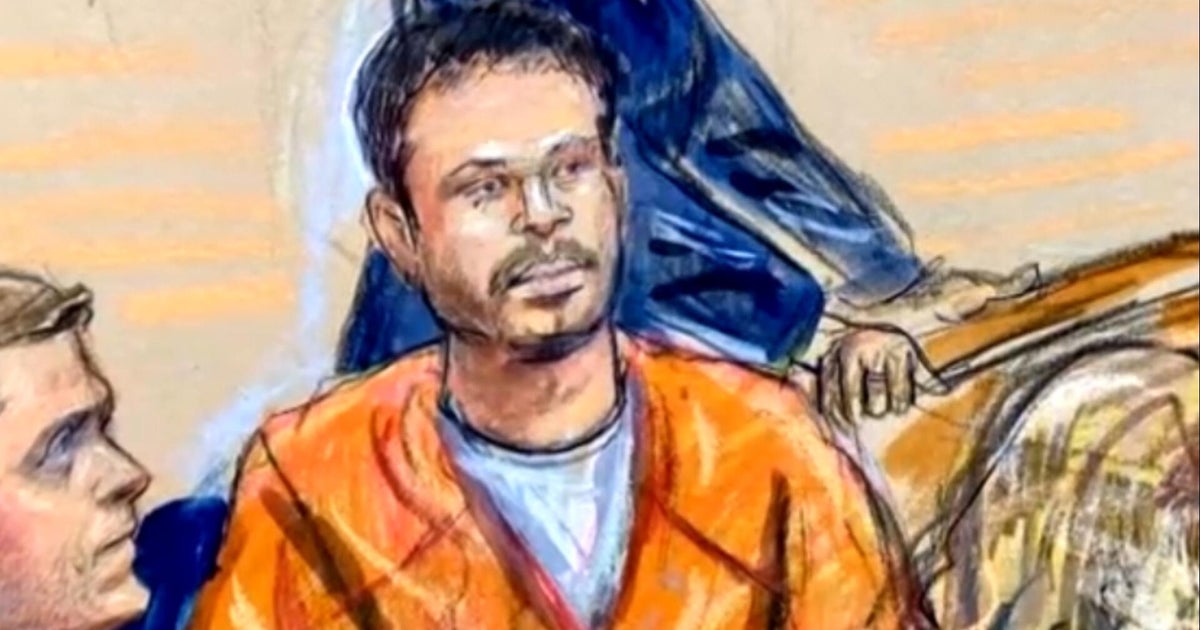
In a remarkable courtroom scene on Monday, U.S. Magistrate Judge Zia Faruqui didn’t mince words when addressing the treatment of Cole Allen, the man accused of attempting to attack the White House Correspondents’ Dinner in April. The judge went so far as to personally apologize to Allen for what he described as excessively harsh and punitive conditions at the Washington D.C. jail where the defendant is currently being held. Allen faces extraordinarily serious charges—including attempting to assassinate the president and two additional firearm-related offenses. According to prosecutors, the 25-year-old man armed himself with a shotgun and rushed through a security checkpoint positioned one floor above the ballroom at the Washington Hilton on April 25, where President Trump, senior government officials, and approximately 2,600 members of the press and other guests had gathered for the annual dinner. While Allen’s defense attorneys have accepted that their client will remain in custody as he awaits trial, they’ve raised significant concerns about how he’s being treated behind bars, painting a picture of isolation and deprivation that caught the judge’s attention and sparked his unusually direct criticism of the corrections system.
The Harsh Reality of Allen’s Detention
The details of Allen’s confinement reveal a troubling picture of extreme isolation and restriction. Shortly after his arrival at the D.C. jail last week, Allen was immediately placed on suicide watch, a designation that meant he was confined to a padded cell with lights burning constantly, twenty-four hours a day, with no access to a phone or tablet to communicate with the outside world or his legal team. After enduring these conditions for a day, his status was downgraded to what’s called “suicide precautions,” but his lawyers argue this change brought little meaningful improvement to his daily existence. Even under this supposedly less restrictive classification, Allen remained severely limited in his ability to use a phone or leave his cell for any reason. By Friday, jail medical staff reassessed Allen and determined he was no longer a suicide risk, yet he continued to be held in a form of protective custody that kept him isolated from other inmates and the general jail population. His attorneys brought forward additional complaints that painted an even more concerning picture: Allen had been denied access to a Bible despite requesting one, his tablet—which would allow him to review legal documents and communicate with his lawyers—had not been set up even after several days, and he hadn’t been able to meet privately with his legal team, a fundamental right for any defendant preparing for trial.
The Judge’s Unusual Apology and Concerns
Judge Faruqui’s response to these revelations was both direct and unusual for a federal courtroom. He pressed Tony Towns, the acting general counsel for the D.C. Department of Corrections, for detailed explanations about the jail conditions and the specific allegations raised by Allen’s defense team. The judge’s frustration became increasingly apparent as the hearing progressed, and at one particularly striking moment, he turned directly to Allen and told him he was “very troubled” by the “conditions you’ve been treated to.” Then came the moment that made headlines: Faruqui apologized to Allen for the problems he had experienced during his first week in custody. This kind of judicial apology to a defendant accused of such serious crimes is extraordinarily rare and underscores just how concerned the judge was about what he was hearing. Faruqui also expanded his concerns beyond just this high-profile case, expressing worry about what might be happening to other, less visible criminal defendants who don’t have the spotlight of media attention to bring scrutiny to their conditions. The judge specifically requested to see the psychiatric evaluation form that supposedly justified keeping Allen on suicide watch, noting that this document wasn’t currently part of the court record—a procedural gap that seemed to trouble him considerably.
Comparisons to January 6th Defendants
In one of the most pointed moments of the hearing, Judge Faruqui drew an explicit comparison between Allen’s treatment and that of the defendants from the January 6th Capitol attack, many of whom have since received presidential pardons. The judge noted that he found it both “fascinating and concerning” that Allen was being held in such restrictive conditions when many January 6th defendants—some of whom faced serious charges related to attacking the seat of American democracy—were often assigned to medium- or low-security prison facilities and weren’t subjected to complete isolation from other inmates. “A lot of people seem to have forgotten January 6,” Faruqui observed pointedly from the bench, adding with emphasis, “Pardons may erase convictions, but they do not erase history.” The judge acknowledged that the charges Allen faces “could not be more serious”—after all, he’s accused of attempting to assassinate the sitting president—but still expressed confusion about why the response to his detention had been so extreme. “I’m not understanding how we are where we are,” Faruqui said, suggesting that the severity of the charges alone didn’t justify conditions that seemed designed more to punish than to simply ensure Allen’s safety and his appearance at trial. This comparison didn’t sit well with everyone, however. U.S. Attorney for D.C. Jeanine Pirro took to social media after the hearing to criticize the judge’s remarks, writing on X (formerly Twitter) that Faruqui “believes a defendant armed to the teeth and attempting to assassinate the president is entitled to preferential treatment in his confinement compared to every other defendant.”
The Prosecution’s Security Concerns
The government’s side of the story presents a different perspective on why such restrictive measures might be necessary. Assistant U.S. Attorney Jocelyn Ballantine, who is leading the prosecution, told the court that Allen had made statements to FBI agents after his arrest that raised serious red flags about his mental state and intentions. According to Ballantine, Allen told investigators that he did not expect to live through his alleged attack on the dinner. “It’s clear he did not expect to survive it, which gives rise to potential concern for suicide,” the prosecutor argued, suggesting that the jail’s initial assessment placing him on suicide watch wasn’t arbitrary but based on Allen’s own words about his expectations. Tony Towns, representing the Department of Corrections, explained that a psychiatrist had indeed evaluated Allen and determined he was a suicide risk, though as Judge Faruqui noted, the actual medical documentation supporting this assessment hadn’t been provided to the court. Towns also revealed that there is a “separation order” in effect for Allen, meaning he’s transported to court separately from other defendants and kept isolated from the general inmate population in his cell block. When asked to justify this approach, Towns put it plainly: “We don’t really know how to keep him safe, your honor, outside of separation.” This admission seemed to trouble the judge, who replied simply, “That seems to be a problem then”—implying that if the jail system doesn’t have adequate procedures to safely house a high-profile defendant without resorting to near-total isolation, then there’s a systemic issue that needs addressing.
What Happens Next
Judge Faruqui made clear that he expects quick answers and concrete improvements to Allen’s situation. He ordered the D.C. Department of Corrections to provide the court with an update by Tuesday morning detailing exactly how long it will take for officials to determine where Allen will be permanently detained while awaiting trial. The judge warned that if the answer suggests any significant delay, he would schedule another hearing specifically to hear the department’s justification for the timeline. Towns assured the court that the process to determine Allen’s long-term housing is actively underway, promising to get an answer “as soon as possible.” He emphasized that “DOC’s main concern is his safety as well as his health,” and mentioned that a prison housing board meeting would be convened soon to make a final determination about where Allen will stay. Meanwhile, Towns said the specific issues raised during the hearing—the lack of tablet access, the Bible request, and the problems with legal visits—would be resolved “in the coming days.” As this case moves forward, it raises broader questions about how the justice system balances legitimate security concerns with the constitutional rights of defendants, even those accused of the most serious crimes. Judge Faruqui’s willingness to publicly challenge the treatment of someone accused of attempting to assassinate the president suggests he believes that maintaining basic standards of humane detention isn’t just about individual rights—it’s about the integrity of the entire justice system.