
South Korean Crypto Exchanges Experience Massive Trading Surge Led by XRP
Record-Breaking Volume Spike on Major Korean Platforms
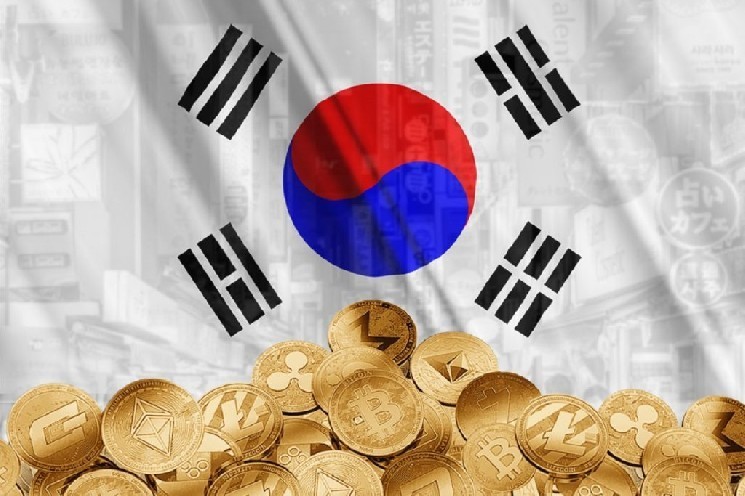
In a stunning display of market enthusiasm, South Korea’s cryptocurrency landscape has witnessed an extraordinary surge in trading activity over the past day. Upbit and Bithumb, the nation’s two dominant cryptocurrency exchanges, have collectively reported trading volumes that have caught the attention of analysts and investors worldwide. The spike in activity hasn’t been uniform across all digital assets—instead, Korean traders have shown a remarkably focused interest in select cryptocurrencies, with XRP leading the charge in what appears to be a coordinated shift in investment strategy among South Korean retail and institutional investors alike.
The sheer magnitude of this trading volume increase speaks to the unique position that South Korea holds in the global cryptocurrency ecosystem. Korean exchanges have historically been known for their passionate retail investor base, often trading at premiums compared to Western exchanges—a phenomenon known as the “kimchi premium.” This latest surge suggests that Korean investors are once again asserting their influence on global crypto markets, potentially signaling broader trends that could ripple across international trading platforms in the coming days and weeks.
XRP Dominates with Half-Billion Dollar Trading Volume
The standout performer in this trading frenzy is undoubtedly XRP, the digital asset associated with Ripple Labs. With a staggering $533 million in combined trading volume across Upbit and Bithumb within just 24 hours, XRP has demonstrated an overwhelming appeal to South Korean investors. This volume figure is particularly impressive when compared to traditional cryptocurrency giants like Bitcoin and Ethereum, both of which saw substantially lower trading activity during the same period. Bitcoin recorded $260 million in trading volume, while Ethereum came in at $186 million—respectable numbers in their own right, but dwarfed by XRP’s dominance.
The concentration of trading activity in XRP raises interesting questions about what’s driving this specific interest. XRP has had a tumultuous relationship with regulators, particularly in the United States, where Ripple has been engaged in a lengthy legal battle with the Securities and Exchange Commission. However, recent developments in that case, combined with broader speculation about the future of cross-border payment systems, may be contributing to renewed optimism among Korean investors. Additionally, the fact that much of this trading is occurring in KRW (South Korean Won) pairs rather than USD pairs suggests this is genuinely organic local interest rather than international capital flowing through Korean exchanges. This Korean-specific enthusiasm could be related to cultural investment patterns, local news coverage, or community-driven trading strategies that are particularly prevalent in South Korea’s tight-knit cryptocurrency communities.
Emerging Altcoins Capture Significant Market Share
Beyond the established cryptocurrencies, what’s particularly noteworthy about this trading surge is the substantial volume going into lesser-known altcoins and emerging projects. Orbs, a blockchain infrastructure project, saw an impressive $100 million in trading volume, placing it fifth overall and ahead of major cryptocurrencies like Solana and Dogecoin. Similarly, Sahara AI, a relatively new artificial intelligence-focused blockchain project, captured $91 million in trading activity, while a project simply listed as “Sign” garnered $82 million. These figures are extraordinary for projects that haven’t achieved mainstream recognition in Western markets.
This pattern of investment suggests that South Korean traders are actively seeking out what they perceive as high-growth opportunities beyond the established blue-chip cryptocurrencies. The emphasis on projects related to artificial intelligence, like Sahara AI, reflects broader market trends where AI-related tokens have been experiencing increased interest globally. Korean investors have historically shown a willingness to take calculated risks on emerging projects, often conducting extensive community research and sharing information through popular messaging platforms like KakaoTalk and Telegram. The significant volumes in these smaller-cap projects indicate a sophisticated trading community that’s actively diversifying beyond safe-haven assets and looking for the next potential breakout success. However, it’s worth noting that such concentrated interest can also lead to increased volatility, as the relatively smaller market caps of these projects mean that high trading volumes can result in dramatic price swings in either direction.
Established Cryptocurrencies Maintain Strong Presence
While XRP and emerging altcoins captured the headlines, established cryptocurrencies maintained their expected strong presence in the trading rankings. Solana, which has positioned itself as a high-performance blockchain alternative to Ethereum, recorded $73 million in trading volume, securing its place among the top ten most-traded assets. Dogecoin, the meme-inspired cryptocurrency that has maintained surprising staying power in the market, saw $47 million in activity, demonstrating that Korean investors maintain interest in a diverse range of crypto assets with different value propositions.
Interestingly, Tether (USDT), the leading stablecoin, recorded $201 million in trading volume, placing it fourth overall. This substantial stablecoin activity is significant because it often serves as an indicator of overall market liquidity and trader positioning. High Tether volumes typically suggest that traders are actively moving between positions, using the stablecoin as a temporary holding place between trades rather than cashing out to fiat currency. This pattern indicates that Korean investors aren’t necessarily looking to exit the cryptocurrency market but rather are actively rotating between different assets in search of optimal returns. The presence of Enso, a relatively newer DeFi protocol, rounding out the top ten with $44 million in volume further reinforces the picture of a trading community that’s sophisticated, diverse in its interests, and willing to explore across the entire spectrum of cryptocurrency projects from established giants to experimental new protocols.
Understanding the Korean Crypto Market’s Unique Characteristics
The South Korean cryptocurrency market has always occupied a special position in the global digital asset ecosystem, and this recent trading surge exemplifies why. Korea has one of the highest rates of cryptocurrency adoption in the world, with estimates suggesting that a substantial percentage of the population has invested in digital assets at some point. This widespread participation isn’t limited to any particular demographic—cryptocurrency investment in Korea spans age groups, professions, and economic backgrounds, though younger investors have historically shown particularly strong engagement.
Several factors contribute to this unique market dynamic. South Korea’s highly developed digital infrastructure, widespread smartphone adoption, and tech-savvy population create an ideal environment for cryptocurrency adoption. Additionally, cultural factors play a role—there’s a strong tradition of retail investment in Korea, whether in stocks, real estate, or now cryptocurrencies, often discussed openly among friends, family, and colleagues. The country’s exchanges have also evolved to be user-friendly and accessible, with robust Korean-language resources and customer support that lowers barriers to entry. Furthermore, regulatory clarity, while strict in some respects, has provided a framework that actually encourages participation by creating a sense of legitimacy around cryptocurrency trading. The government’s implementation of real-name verification systems and exchange regulations, while initially controversial, has ultimately helped establish trust in the ecosystem. This combination of technological readiness, cultural acceptance, and regulatory framework has created a market where trading surges like the current one can occur with remarkable speed and scale, often serving as a leading indicator for trends that subsequently appear in other markets around the world.
Implications and Considerations for the Broader Market
This extraordinary surge in trading volume on Korean exchanges carries implications that extend well beyond South Korea’s borders. Historically, significant movements in Korean cryptocurrency markets have often preceded or coincided with similar trends in global markets. When Korean investors show concentrated interest in particular assets, it can draw international attention to those projects, potentially triggering increased trading activity on Western exchanges as well. The current focus on XRP, for instance, might signal renewed global interest in the asset, particularly if the volume surge is accompanied by price appreciation that attracts momentum traders from other regions.
However, it’s crucial to approach these developments with appropriate perspective and caution. High trading volumes, while indicating strong interest, don’t necessarily predict sustained price increases or long-term project success. The cryptocurrency market remains highly volatile and subject to rapid sentiment shifts, and what appears as strong conviction buying one day can reverse just as quickly. The concentration of volume in specific altcoins also raises questions about sustainability—some of these projects have relatively small market capitalizations, meaning that even these impressive volume figures represent a relatively small amount of capital compared to the overall crypto market. Additionally, it’s worth remembering that past Korean trading surges have sometimes been followed by equally dramatic corrections, particularly when speculative fervor outpaces fundamental developments in the underlying projects. For individual investors considering whether to follow these trends, the standard cautions apply: this information should not be construed as investment advice, thorough personal research is essential, and only capital that one can afford to lose should be allocated to cryptocurrency investments. Nevertheless, the current surge in Korean trading activity represents a significant market event that merits attention from anyone seeking to understand the evolving dynamics of the global cryptocurrency landscape.