
Massive Severe Weather System Threatens Over 100 Million Americans
Dangerous Storm System Sweeps Across Multiple States
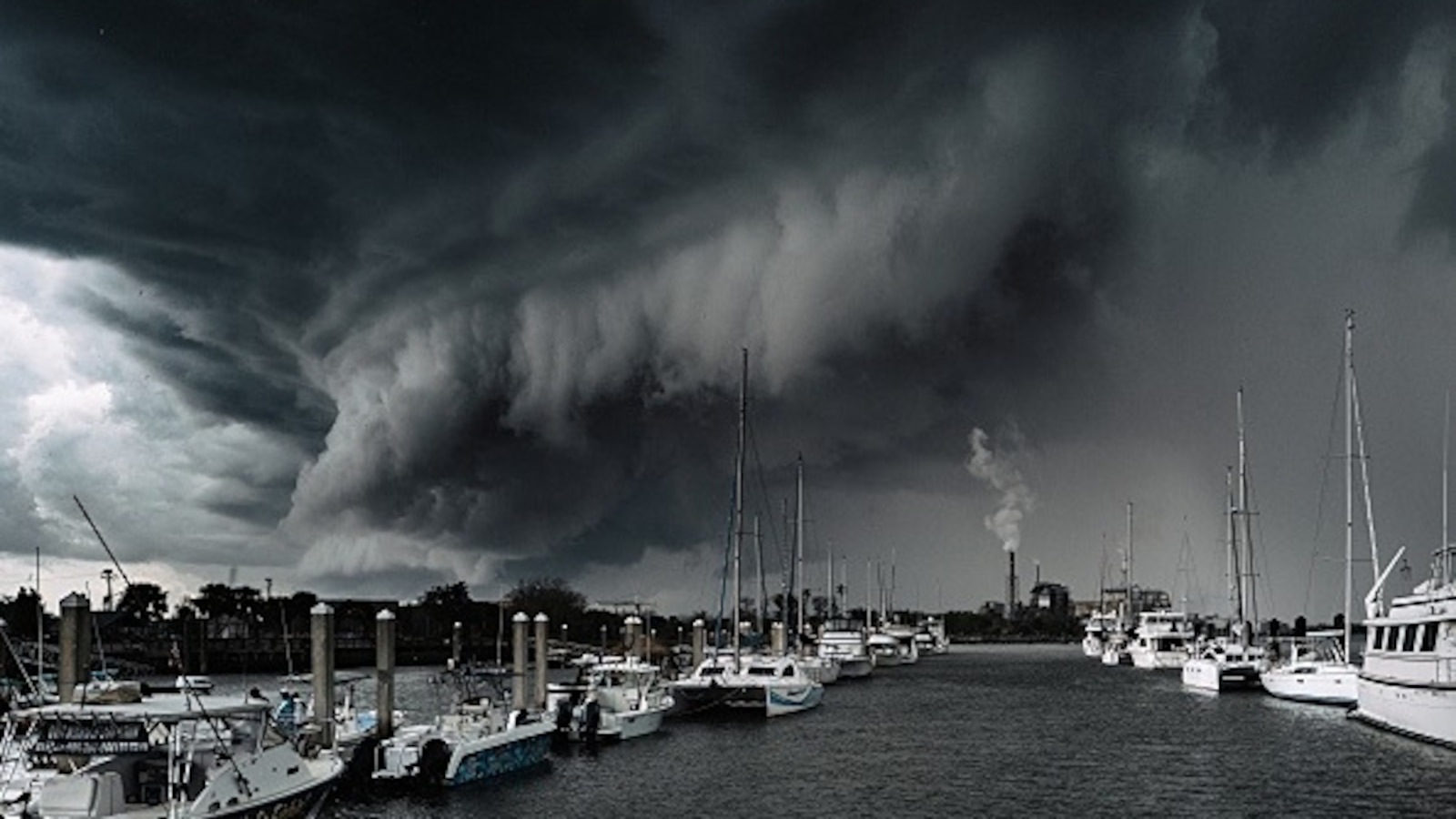
A powerful and potentially devastating weather system bore down on more than 100 million Americans Tuesday night, carving a dangerous path from the heart of Texas all the way north to Michigan. This wasn’t just another spring storm—meteorologists warned that this system packed a serious punch, with the potential to unleash strong tornadoes capable of causing significant destruction, winds powerful enough to topple trees and damage buildings, and hailstones as large as baseballs that could shatter windows and dent vehicles. For millions of families across the central United States, this meant a nervous evening spent monitoring weather alerts, preparing emergency kits, and keeping a close eye on rapidly changing conditions as this menacing storm system moved through their communities.
The scope and intensity of this weather outbreak served as a stark reminder of nature’s awesome power and the vulnerability of even our modern communities to severe weather events. From small rural towns to major metropolitan areas, residents found themselves in the crosshairs of a weather system that demanded respect and preparation. Emergency management officials across multiple states activated response protocols, while local news stations interrupted regular programming to provide continuous coverage of the developing situation, understanding that timely information could mean the difference between safety and tragedy for those in the storm’s path.
Illinois and Indiana Face Highest Tornado Threat
The most serious tornado threat materialized across a swath of territory stretching from north-central Illinois, including the bustling metropolis of Chicago, eastward into northwestern Indiana. Meteorologists analyzing the atmospheric conditions identified all the ingredients necessary for strong, long-track tornadoes—the kind that can stay on the ground for miles, leaving devastation in their wake. The highest risk zone encompassed several cities including Burlington and Quincy in Illinois, along with Fort Wayne, Indiana, where residents were urged to have multiple ways to receive weather warnings and to know exactly where their safe shelter locations were located.
The threat became frighteningly real when reports flooded in from Kankakee County, Illinois, where witnesses described a large and extremely dangerous tornado touching down Tuesday evening. The twister carved through the landscape, and early reports from the Kankakee County Sheriff’s Office confirmed what many feared: extensive damage had been inflicted on the community of Aroma Park. In what could only be described as a small miracle amid the chaos, initial reports indicated no immediate injuries, though officials cautioned that assessment teams were still working to survey the full extent of the damage. The tornado watch issued for north-central Illinois, along with portions of Missouri, Iowa, and Indiana, remained in effect until 11 p.m. local time, keeping residents on high alert throughout the evening hours.
Chicago itself braced for a different but still serious threat—heavy thunderstorms that forecasters predicted would pummel the area throughout the afternoon and into the evening. The concern wasn’t just the lightning and thunder, but the potential for flash flooding as storms were expected to linger over the same areas for extended periods, dumping tremendous amounts of rain in short timeframes. Flash flooding can turn familiar streets into dangerous rivers within minutes, trapping vehicles and creating life-threatening situations for anyone caught unaware.
Texas and Oklahoma Brace for Severe Impacts
The severe weather threat wasn’t limited to the northern portions of this massive system. Further south, Central Texas communities including Abilene and Wichita Falls, stretching northward into south-central Oklahoma, faced their own enhanced risk of dangerous weather Tuesday evening. These areas were looking at the same trinity of threats: strong tornadoes capable of causing major damage, large hail that could destroy crops and damage property, and powerful straight-line winds that can be just as destructive as tornadoes themselves. A tornado watch was issued for parts of west-central Texas, remaining in effect through 10 p.m. local time Tuesday, as residents in these communities kept watchful eyes on the darkening skies.
The severity and geographic scope of this weather outbreak was truly remarkable. The front stretched an enormous distance—from the Texas-Mexico border in the south, sweeping northward across Oklahoma, Kansas, Missouri, and Michigan, with central to southeast Missouri also firmly in the danger zone. Major metropolitan areas including Detroit, Indianapolis, and Oklahoma City—cities home to millions of people—all found themselves under threat of thunderstorms, damaging winds, hail, and possible tornadoes. For these urban areas, the risk was compounded by population density; a tornado striking a heavily populated area could potentially impact thousands of people within minutes.
Weather System to Impact East Coast by Wednesday
This powerful storm system wasn’t content to limit its impacts to the nation’s midsection. Meteorologists tracking the system’s movement warned that by Wednesday afternoon, the severe weather would reach as far east as Washington, D.C., bringing with it the threat of damaging winds and the possibility of tornadoes. The nation’s capital, with its historic monuments and densely populated neighborhoods, would need to remain weather-aware as the system continued its eastward march.
Wednesday afternoon was expected to see a line of storms sweeping eastward, pushing into Ohio and Tennessee and impacting major cities including Cincinnati, Memphis, and Nashville. These communities, some still recovering from previous severe weather events, would need to mobilize their emergency response systems once again. The forecast called for the severe weather to finally move offshore Thursday morning, bringing relief to weary residents who had endured days of dangerous conditions. Following the severe weather, a cold front was expected to quickly drop temperatures, providing a dramatic reminder of the transitional nature of spring weather.
Unusual Cold Weather Potential Following Storms
In a twist that perfectly illustrates the wild variability of spring weather patterns, forecasters noted the possibility that lingering moisture behind the severe weather system could actually turn to snow in some areas—including Washington, D.C., and Richmond, Virginia—on Thursday. This potential for snow just days after severe thunderstorms might seem bizarre, but it’s actually not uncommon during the volatile spring season when warm, moist air from the Gulf of Mexico can clash violently with cold air masses plunging down from Canada. Residents who might be cleaning up storm damage in shirtsleeves could find themselves reaching for winter coats just a day or two later.
Record-Breaking Warmth Precedes the Storms
Adding another layer of meteorological interest to this weather story, New York City was experiencing remarkably spring-like conditions on Tuesday, even as severe weather raged to the west. Central Park hit 80 degrees, shattering a daily high-temperature record that had stood since 2016. This marked the earliest 80-degree day on record for the city, a milestone that delighted sun-starved New Yorkers who flocked to parks and outdoor spaces to soak up the unseasonable warmth. However, this record-breaking warmth was actually part of the same weather pattern generating the severe storms further west—warm air surging northward ahead of a powerful cold front, creating the dramatic temperature and pressure contrasts that fuel severe weather outbreaks. While New Yorkers enjoyed their taste of early summer, they remained aware that the very same atmospheric dynamics bringing them sunshine and warmth were generating dangerous tornadoes and storms for their fellow Americans just a few states away, a sobering reminder of weather’s ability to bring both pleasure and peril, sometimes simultaneously, across our vast nation.