


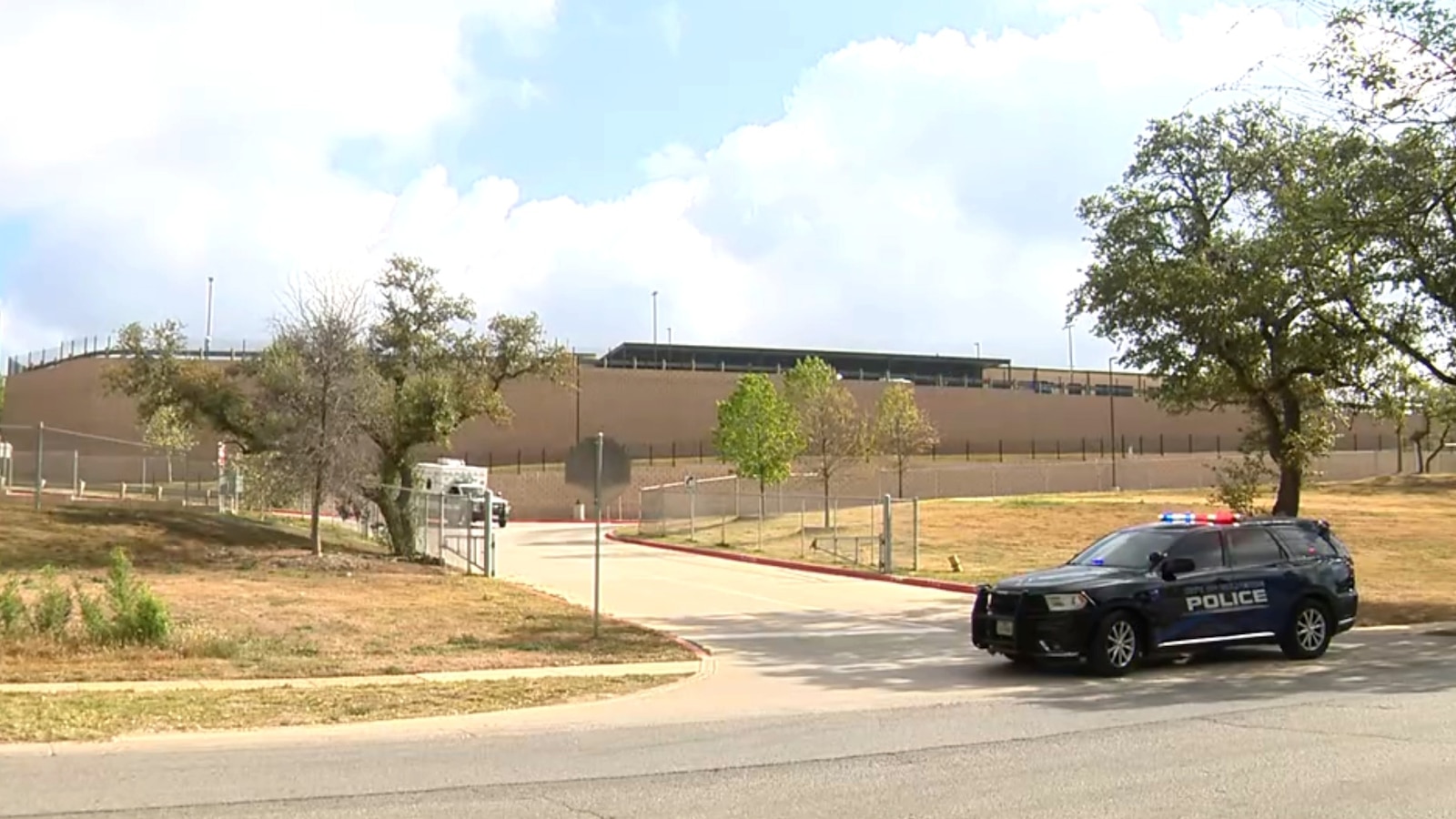

Tragic School Shooting in Texas: Understanding What Happened at Hill Country College Preparatory High School
The Devastating Incident That Shook a Small Texas Community
On a morning that should have been filled with the ordinary routines of education and learning, Hill Country College Preparatory High School became the site of yet another heartbreaking school shooting. On Monday morning, March 30, 2026, a 15-year-old student allegedly opened fire on a teacher within the school’s walls, sending shockwaves through the small Comal County community located approximately 30 miles north of San Antonio, Texas. According to the Comal County Sheriff’s Office, the situation ended as tragically as it began, with the young suspect dying from what appears to have been a self-inflicted gunshot wound at the scene. This devastating event reminds us once again of the complex challenges facing our schools, students, and communities when it comes to gun violence and the mental health struggles that often lie beneath such horrific acts.
The incident unfolded quickly, and while specific details about what led to the shooting remain under investigation, authorities were able to respond and secure the scene rapidly. A female teacher became the victim of this senseless violence and was immediately transported to a hospital in San Antonio for treatment. At the time of initial reports, her condition remained unknown, leaving the school community, her family, and friends in a state of anxious uncertainty, hoping and praying for her recovery. The teacher, whose identity has not been publicly released out of respect for her privacy and that of her family, was simply doing her job—educating young people and helping to shape their futures—when violence erupted in what should be one of the safest places for both students and staff.
Swift Response and Containment by Law Enforcement
In the midst of chaos and fear, the response by local law enforcement and school officials deserves recognition. According to statements from the Comal County Sheriff’s Department, “The situation was contained very, very quickly.” This rapid response was crucial in preventing what could have potentially escalated into an even more catastrophic event. When a shooting occurs in a school setting, every second counts, and the swift action taken by first responders likely saved additional lives and prevented further trauma to the student body. The coordination between school staff and law enforcement demonstrates the unfortunately necessary preparedness that schools must now maintain in today’s environment.
Immediately following the shooting, Hill Country College Preparatory High School was placed on lockdown—a protocol that has become all too familiar to students, teachers, and parents across the nation. During a lockdown, classroom doors are secured, students are kept out of sight, and no one is permitted to enter or leave the building until law enforcement determines it is safe to do so. For the approximately 250 students at the school, this meant moments of terror and confusion as they followed their teachers’ instructions, likely hearing rumors and fragments of information about what was happening elsewhere in the building. The psychological impact of experiencing such an event, even for those students who were not in the immediate vicinity of the shooting, cannot be overstated and will likely require ongoing support and counseling services.
Reuniting Families and Ensuring Safety
Once authorities had secured the scene and confirmed there was no ongoing threat, the careful process of evacuating students began. The Comal County Sheriff’s Department made clear that “There is no ongoing threat to students,” a statement meant to reassure terrified parents and community members that the danger had passed. The approximately 250 students were systematically evacuated from the building and taken to a designated reunion location where they could be picked up by their parents or guardians. This reunion process, while organized and necessary, is emotionally charged as parents who feared the worst embrace their children, and students process what they’ve just experienced.
The scenes at these family reunification centers are always deeply moving—parents arriving in states of panic, having heard news reports or received frightening texts from their children, desperate to hold them and confirm they are safe. Students emerge from the experience shaken, some in tears, others in shock, many unable to fully comprehend what has happened. For the families of the shooter and the injured teacher, the reunion is markedly different. One family must grapple with the loss of their child while simultaneously trying to understand how and why this happened. The teacher’s family faces uncertainty about her recovery and the long road of physical and emotional healing that lies ahead. These human dimensions of school shootings often get lost in the statistics and political debates that inevitably follow such tragedies.
The Broader Context: Youth, Mental Health, and Gun Violence
This incident at Hill Country College Preparatory High School is unfortunately not an isolated event but part of a larger, deeply troubling pattern of school violence in America. When a 15-year-old child brings a gun to school and shoots a teacher before taking his own life, we must ask ourselves difficult questions about what failures in our systems—whether family, educational, mental health, or societal—allowed this to happen. A 15-year-old is still a child, developmentally speaking, with a brain that is not fully formed and emotional regulation capabilities that are still developing. What level of pain, anger, or desperation must a young person be experiencing to commit such an act?
The fact that the shooting ended with the student’s apparent suicide adds another layer of tragedy to an already devastating situation. This suggests that the young person was struggling with profound mental health challenges, possibly depression, trauma, or other psychological issues that went unaddressed or inadequately treated. As a society, we must do better at identifying students who are struggling, providing accessible mental health resources, and creating environments where young people feel comfortable seeking help. Schools, parents, peers, and communities all play roles in creating safety nets for vulnerable youth. Warning signs often exist before such incidents occur—changes in behavior, social withdrawal, expressions of hopelessness, or concerning communications—but too often these signs are missed, dismissed, or not taken seriously enough.
Moving Forward: Healing and Prevention
In the aftermath of this tragedy, the Hill Country College Preparatory High School community faces a long journey of healing. Students who witnessed or were present during the shooting may experience symptoms of trauma including nightmares, anxiety, difficulty concentrating, and fear of returning to school. The staff members, particularly those who were close to the injured teacher or the student shooter, will need substantial support as they process their own grief and trauma. The school will likely bring in crisis counselors and mental health professionals to help students and staff begin working through their experiences, but the healing process will extend far beyond the first days and weeks following the incident.
For the injured teacher, if she survives, the road to recovery will involve not only physical healing but also processing the psychological trauma of being shot by one of her students. Teachers enter the profession to educate and nurture young people, not to become victims of violence. The impact of this incident will likely affect her ability to return to the classroom and may have lasting effects on her sense of safety and well-being. As a community rallies around the school, it’s crucial that support extends not just in the immediate aftermath but in the months and years to come. Meanwhile, the family and friends of the 15-year-old shooter must somehow navigate their own grief and guilt, mourning a child they loved while grappling with the harm he caused. This tragedy leaves no family untouched and creates ripples of pain throughout an entire community that will take considerable time and collective effort to address.