


Federal Investigation into Fed Chairman Powell Comes to an Unexpected End
A Sudden Shift in the Powell Probe
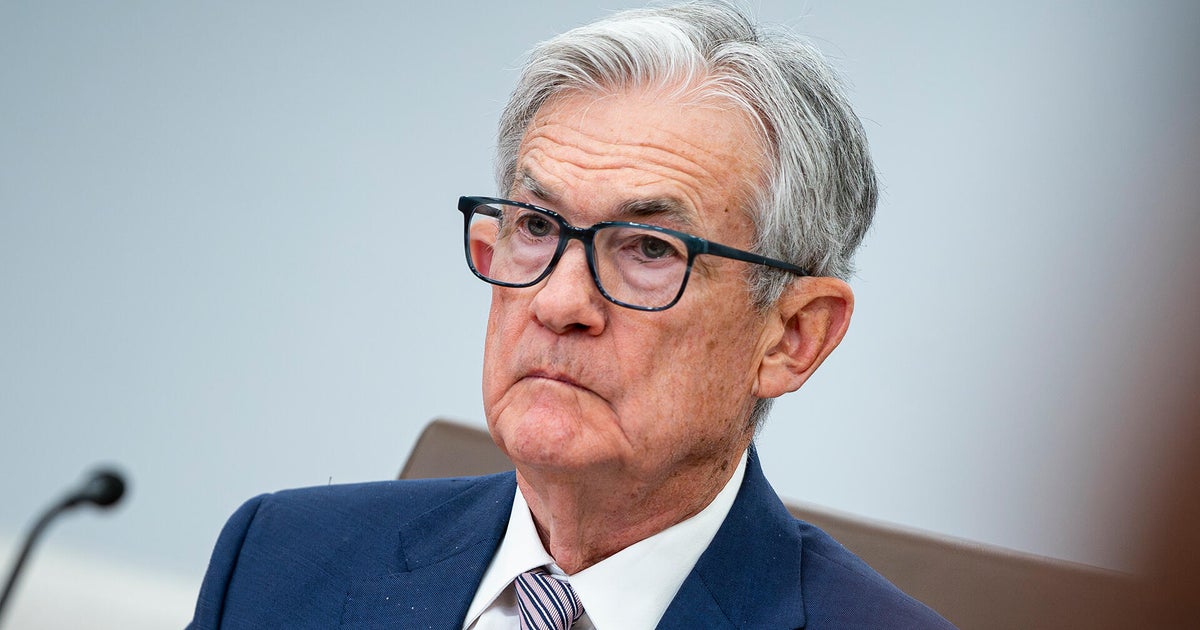
In a surprising turn of events that has sent ripples through Washington’s political and financial circles, U.S. Attorney Jeanine Pirro announced that federal prosecutors are closing their criminal investigation into Federal Reserve Chairman Jerome Powell. This development removes a significant roadblock in the confirmation process for Kevin Warsh, President Trump’s chosen successor to lead the central bank’s Board of Governors. The investigation, which had centered on potential cost overruns in the Federal Reserve’s headquarters renovation project in Washington, D.C., is being transferred to the Fed’s inspector general for continued review. Pirro made it clear on social media that while the criminal investigation is being closed for now, she reserves the right to reopen it if circumstances warrant. She stated her expectation that the inspector general will provide a comprehensive report that will finally put to rest the questions that originally prompted her office to issue subpoenas. This move represents a dramatic shift from just days earlier when Pirro had publicly insisted the investigation would continue and that her office was appealing a federal judge’s decision to quash the subpoenas.
The Political Stakes and Warsh’s Confirmation Path
The timing of this announcement couldn’t be more critical for the Trump administration’s plans to reshape leadership at the Federal Reserve. With Powell’s term as chairman set to expire in May, President Trump has nominated Kevin Warsh to take the reins of the nation’s most powerful financial institution. However, Warsh’s path to confirmation had hit a significant snag when Republican Senator Thom Tillis of North Carolina publicly declared he would not vote to confirm any nominee until the investigation into Powell was dropped. This put the administration in a difficult position, as they needed to secure enough votes in the Senate to confirm their chosen candidate. When Warsh appeared before the Senate Banking Committee for his confirmation hearing, he sought to reassure lawmakers by pledging that the Federal Reserve would maintain its “strictly independent” stance on monetary policy decisions—a promise that takes on added significance given the highly unusual circumstances surrounding Powell’s investigation and the political pressures that have surrounded the central bank. The White House expressed confidence that the Senate would now move forward with Warsh’s confirmation, with spokesman Kush Desai stating that American taxpayers deserve answers about what he characterized as the Federal Reserve’s fiscal mismanagement.
The Inspector General Takes Over
The investigation is now in the hands of Michael Horowitz, the Fed’s inspector general who previously served in a similar role at the Justice Department, where he gained prominence for reviewing the origins of the FBI’s investigation into alleged ties between the Trump campaign and Russia during the 2016 election. The inspector general’s office revealed that it has actually been evaluating the Federal Reserve’s renovation project since last July, including conducting an independent analysis of the substantial cost increases and overruns that have plagued the project. The office stated it is actively working to complete its review and looks forward to making the results available to both the public and Congress once finished. This shift from a criminal investigation to an inspector general review represents a significant de-escalation of the matter. While criminal investigations carry the threat of indictments and potential jail time, inspector general reviews are administrative in nature and typically result in recommendations for policy changes or management improvements rather than criminal charges. However, the Federal Reserve’s Office of the Inspector General does possess powerful investigative authorities that may actually be better suited to examining the complex financial and administrative questions surrounding a massive construction project.
A Dramatic Investigation Timeline
The investigation into Chairman Powell burst dramatically into public view in January when Powell himself revealed in a video statement that the Federal Reserve had received grand jury subpoenas as part of an ongoing criminal investigation. The subpoenas raised the specter of a potential indictment related to Powell’s testimony before the Senate Banking Committee in June 2025 regarding the multi-year project to renovate the Fed’s offices. The situation took an even more unusual turn in March when Chief Judge James Boasberg of the U.S. District Court for the District of Columbia took the extraordinary step of quashing the pair of subpoenas, determining they were essentially a pretext designed to pressure Powell into either voting to lower interest rates or resigning from his position. The Justice Department initially asked Judge Boasberg to reconsider his decision, but he denied that request earlier this month. Just days before announcing the investigation’s closure, prosecutors from Pirro’s office made an unannounced visit to the Fed’s headquarters, attempting to gain access to the building’s ongoing renovations—a move that was rebuffed when the two prosecutors and an investigator were denied entry and simply given contact information for the Fed’s legal team. This sequence of events painted a picture of an increasingly aggressive investigation that suddenly reversed course.
Trump’s Complicated Relationship with Powell
The investigation into Powell unfolded against the backdrop of President Trump’s very public and increasingly hostile relationship with the Fed chairman—a man Trump himself had appointed during his first term in 2018. Powell was subsequently appointed to a second four-year term by former President Joe Biden, demonstrating the traditionally bipartisan nature of Federal Reserve leadership. However, Trump has grown deeply frustrated with Powell’s refusal to rapidly slash interest rates, frequently unleashing public criticism and name-calling, referring to the chairman as “a jerk” and criticizing him as being “too late” in his policy decisions. The president even threatened to fire Powell earlier this month, though the legal authority to do so remains highly questionable and would likely face significant legal challenges. Trump specifically seized upon the Federal Reserve’s renovation project as ammunition in his attacks on Powell. After suggesting last year that the escalating costs of the rebuilding could be grounds for firing the chairman, the two men attempted to smooth things over with a photo opportunity, donning hardhats and touring the Fed’s headquarters together to survey the renovation work. However, even this attempt at reconciliation highlighted their conflicts, as the two men publicly disagreed about the total cost of the construction project, with Trump characterizing it as wasteful spending despite the fact that the Federal Reserve is self-funded and doesn’t rely on taxpayer dollars.
The Renovation Project at the Heart of the Controversy
The renovations that became the focus of so much attention were first approved back in 2017 and are scheduled for completion next year. The project encompasses two buildings that make up the Federal Reserve’s Washington headquarters. What has drawn criticism and scrutiny is the significant cost escalation: initial estimates of $1.9 billion have ballooned to nearly $2.5 billion—an increase of roughly $600 million. The Federal Reserve has explained these cost increases as resulting from several factors: changes to the original building designs that came about after consultations with various review agencies, rising costs for materials, equipment and labor that have affected construction projects nationwide, and unforeseen conditions that emerged during the work, including contamination discovered in the soil and significantly more asbestos than was initially expected in the older buildings. The inspector general at the central bank has already conducted two audits regarding renovation projects, and Powell testified to the Senate last year that he had proactively asked the internal watchdog to “take a fresh look at the project”—a request that now appears prescient given how the investigation would ultimately be resolved. While critics have characterized the cost increases as evidence of mismanagement, construction industry experts note that major renovation projects of historic buildings frequently encounter unexpected complications and cost overruns, particularly when dealing with aging infrastructure and hazardous materials. As the investigation transitions from criminal prosecutors to the inspector general’s administrative review, the focus will likely shift from questions of potential wrongdoing to more practical questions about project management, oversight, and how such cost escalations can be prevented in future projects.