


Navy Destroyer Collision in Caribbean: What Really Happened
Incident Details and Immediate Response
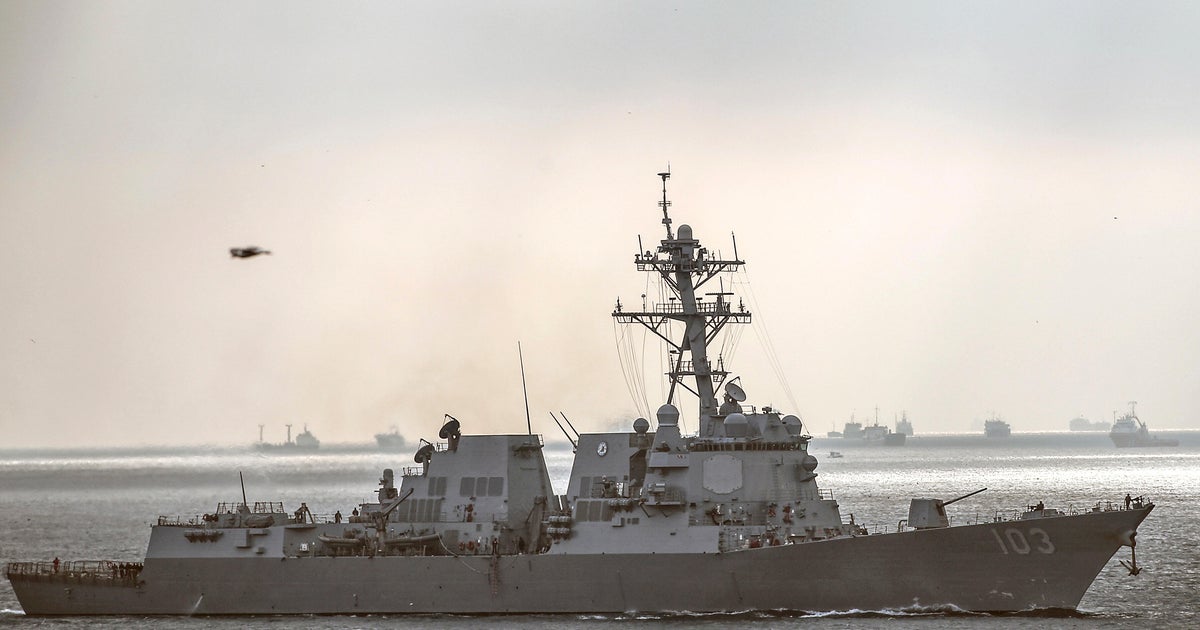
On Wednesday, the maritime community witnessed yet another concerning incident involving U.S. Naval vessels when the USS Truxtun, an Arleigh Burke-class guided missile destroyer, collided with the USNS Supply, a fast combat support ship, during what should have been a routine resupply operation. The collision occurred while the two vessels were conducting a replenishment-at-sea operation, a complex maneuver where ships sail parallel to each other to transfer essential supplies and equipment. According to Colonel Emmanuel Ortiz from U.S. Southern Command, two crew members sustained minor injuries in the incident but are currently in stable condition. Fortunately, neither of the injured personnel required evacuation for medical treatment, and both ships remain seaworthy and capable of continuing their missions. While this might seem like a relatively minor incident on the surface, it raises important questions about operational safety and the demanding conditions under which our naval personnel operate.
Understanding Replenishment-at-Sea Operations
To fully grasp the significance of this incident, it’s important to understand just how challenging replenishment-at-sea operations truly are. These aren’t quick, simple procedures that can be completed on a whim. Rather, they represent some of the most technically demanding maneuvers that naval vessels perform during routine operations. The process requires two ships to maintain precise parallel courses while traveling at the same speed, often in challenging sea conditions, with only a narrow corridor of water separating them. During these operations, personnel work with heavy equipment and materials being transferred between vessels via cables and pulleys suspended over open water. The preparation alone can take days, as crews must coordinate schedules, weather conditions, sea states, and ensure all safety protocols are properly established. The actual transfer operation itself can consume several hours, during which both ships’ crews must maintain constant vigilance and perfect coordination. A small miscalculation in speed, direction, or timing can quickly lead to the kind of collision witnessed this week, despite all the training and safety measures in place.
The Caribbean Naval Build-Up Context
This collision didn’t occur in isolation but rather as part of a significant expansion of U.S. naval presence in Caribbean waters. Since August of last year, the Pentagon has systematically increased the number of warships operating in and around the Caribbean Sea as part of a broader counter-narcotics strategy. This deployment has grown to include approximately a dozen vessels currently stationed near South America, representing a substantial commitment of naval resources to the region. Among these vessels is the USS Gerald R. Ford, the world’s largest aircraft carrier and a symbol of American naval power projection. The USS Truxtun itself had only recently arrived in the area as part of the Fourth Fleet, adding to this already significant force concentration. Beyond simple presence operations, these vessels have been actively engaged in what the military describes as counter-drug operations, including conducting strikes against suspected drug-running boats. Additionally, they’ve been enforcing the partial quarantine that President Trump announced back in December, targeting sanctioned oil tankers traveling to and from Venezuela. This increased operational tempo, combined with the complex logistics required to keep so many ships supplied and operational far from home ports, naturally increases the frequency of replenishment operations and, consequently, the potential for incidents like the one involving the Truxtun and Supply.
A Troubling Pattern of Naval Incidents
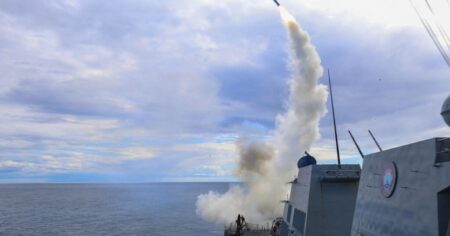
While this Caribbean collision represents the first known mishap in that theater of operations, it unfortunately fits into a broader and more concerning pattern of naval accidents that have plagued the fleet in recent months. The Navy has experienced a particularly difficult stretch in the Middle East, where the USS Harry S. Truman carrier strike group endured what can only be described as a deployment marked by multiple serious incidents. Operating in the region from September 2024 through May 2025, the strike group faced an extraordinarily high-stress environment that contributed to a series of accidents that should alarm anyone concerned about naval readiness and sailor safety. The most serious incident occurred in December when a Navy destroyer within the strike group launched missiles that struck two of the group’s own F-18 fighter jets in a friendly fire incident that could have easily resulted in pilot fatalities. Just two months later, in February, another vessel from the group collided with a merchant ship, demonstrating that the collision problems weren’t isolated to the Caribbean theater. The strike group also lost two F-18 aircraft, one in April and another in May, though the specific causes of these losses haven’t been fully detailed. This string of incidents involving a single carrier strike group over the course of an eight-month deployment suggests systemic issues that extend beyond simple bad luck or isolated human error.
Root Causes and Contributing Factors
When examining these repeated incidents across different naval operations and geographic regions, several potential contributing factors emerge that deserve serious consideration. The high operational tempo that modern naval forces maintain places enormous stress on both equipment and personnel. Sailors are frequently asked to perform complex, dangerous tasks while potentially fatigued from long hours and extended deployments. The replenishment-at-sea operations, while routine in the sense that they happen regularly, never become truly routine in terms of the concentration and precision they demand. Every single time two ships come together for this maneuver, there’s an inherent risk that requires flawless execution to mitigate. Additionally, the Navy has faced well-documented recruiting and retention challenges in recent years, which can result in crews that may include more junior personnel with less experience in these critical operations. The maintenance and readiness of vessels is another factor, as ships are being asked to deploy more frequently and for longer periods, potentially resulting in deferred maintenance or equipment operating beyond optimal parameters. The complexity of modern naval operations has also increased dramatically, with crews managing sophisticated weapons systems, communications networks, and navigation equipment while simultaneously performing traditional seamanship tasks. When you combine all these factors with the inherently dangerous nature of maritime operations, the wonder isn’t that accidents happen, but rather that they don’t happen more frequently.
Moving Forward: Investigation and Implications
The collision between the USS Truxtun and USNS Supply is currently under investigation, a standard procedure that will hopefully identify the specific factors that led to this incident and provide recommendations to prevent similar occurrences in the future. These investigations typically examine everything from the mechanical condition of both vessels to the human factors involved, including crew training, fatigue levels, communication protocols, and adherence to established procedures. However, beyond this single incident, the Navy clearly needs to take a broader look at the pattern of accidents that have occurred across the fleet in recent months. The fact that the Harry S. Truman strike group experienced multiple serious incidents during a single deployment suggests that individual investigations of isolated events may not be sufficient to address underlying systemic issues. Questions need to be asked about whether the current operational tempo is sustainable, whether crews are receiving adequate rest and training, and whether vessels are being properly maintained before, during, and after deployments. The counter-narcotics mission in the Caribbean and the ongoing operations in the Middle East are both important to national security objectives, but they cannot come at the cost of sailor safety or operational readiness. As the investigation into this latest collision proceeds, military leadership would be wise to step back and assess whether the Navy is being asked to do too much with too little, and what changes might be necessary to ensure that our sailors can complete their missions safely and effectively. The two individuals who were injured in this week’s collision were fortunate that their injuries were minor, but the next incident might not end so fortunately unless the underlying issues are properly addressed.