
South East Water Faces £22 Million Fine for Repeated Supply Failures
Watchdog Takes Action Against Persistent Service Problems
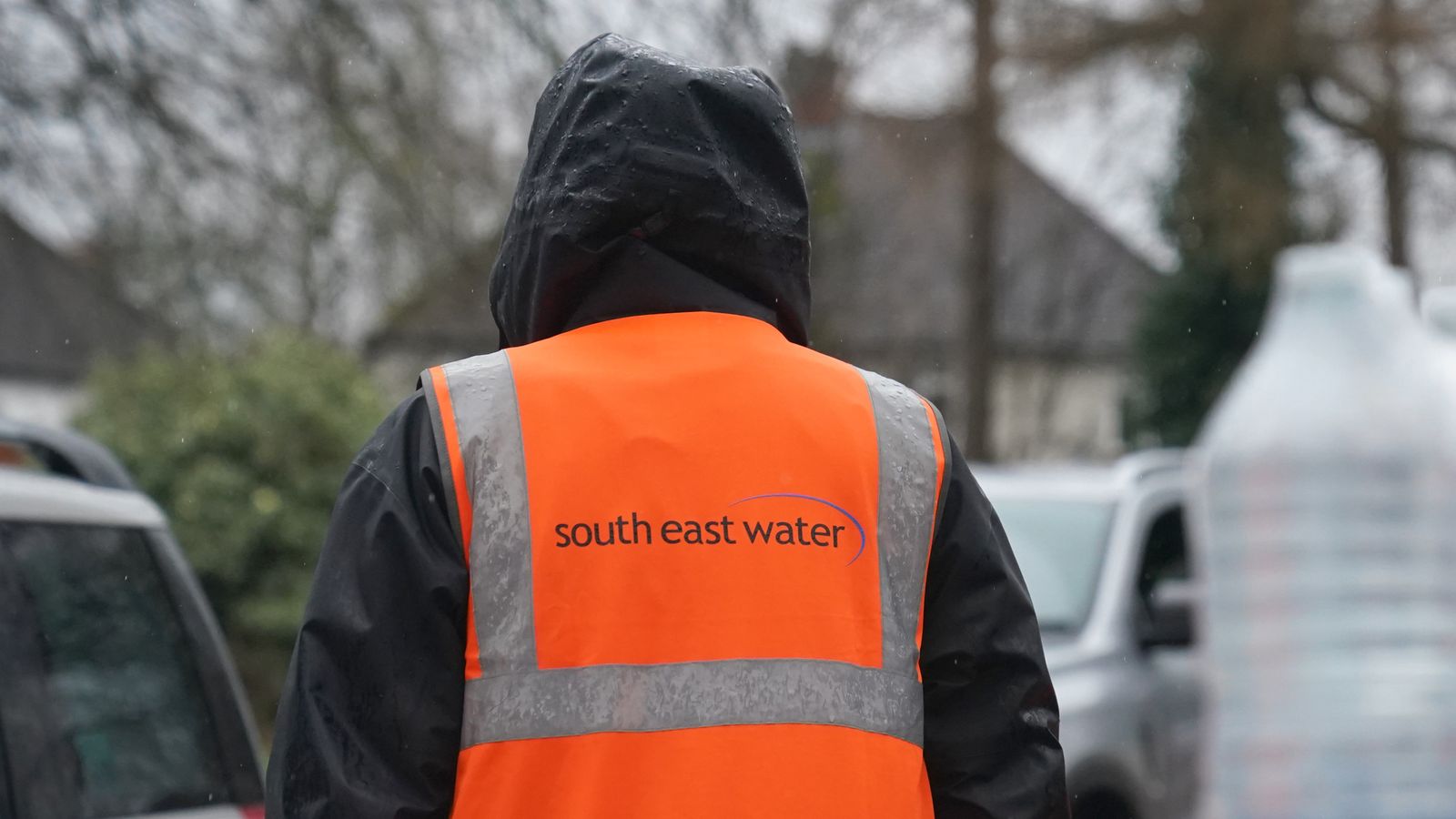
The UK water industry regulator Ofwat has announced plans to impose a substantial £22 million fine on South East Water following a series of serious supply failures that left hundreds of thousands of customers without water between 2020 and 2023. The proposed penalty represents one of the most significant sanctions in the sector’s recent history and highlights the growing frustration with water companies failing to meet their basic obligations to customers. The fine specifically addresses supply interruptions across Kent and Sussex that impacted more than 286,000 people, causing widespread disruption to daily life. Chris Walters, Ofwat’s interim CEO, didn’t mince words when describing the situation, stating that South East Water’s “significant failings caused major disruption and had a huge impact on thousands of its customers.” The announcement comes as the company faces yet another investigation into additional outages that occurred during the past four months, suggesting the problems are far from resolved. Before finalizing the penalty, Ofwat has opened a public consultation period running until April 13th, allowing customers and shareholders to voice their concerns and opinions about the proposed fine.
The Human Cost of Infrastructure Failures
Behind the statistics and financial penalties lies a story of genuine hardship and frustration for ordinary people who depend on reliable water service for their most basic daily needs. Ofwat’s statement paints a stark picture of what customers endured during these supply failures: people woke up to find their taps dry, unable to shower or bathe before work, and couldn’t flush their toilets—situations that created “immense stress and anxiety” for families across the region. The disruption wasn’t just an inconvenience; it fundamentally affected people’s ability to maintain hygiene, prepare food, and carry out essential household tasks. For vulnerable customers, including the elderly, families with young children, and those with medical conditions, the impact was particularly severe. The watchdog’s investigation revealed that South East Water’s response to these crises was woefully inadequate—described as “slow and disorganised”—with persistent shortages of bottled water supplies and insufficient tankers to distribute emergency water to affected areas. The company also failed to provide adequate support specifically targeting vulnerable customers who needed help most during these emergencies, adding insult to injury for those already suffering from the lack of basic water service.
A Pattern of Failing to Learn from Past Mistakes
One of the most damning findings from Ofwat’s investigation is that South East Water repeatedly failed to learn from previous incidents and take corrective action to prevent future failures. The regulator specifically pointed to the company’s failure to apply lessons from the “Beast from the East” winter storm in 2018, a severe weather event that exposed significant weaknesses in water infrastructure across England and Wales. During that crisis, more than 200,000 customers went without water for over four hours, and more than 60,000 people had no supply for more than twelve hours. An Ofwat report at the time concluded that households and businesses were “badly let down” by some water firms, yet South East Water apparently didn’t take sufficient steps to ensure it could handle similar situations in the future. The investigation found that the company “failed to plan sufficiently, learn from incidents and conduct root cause analysis to maintain resilience within its water supply system,” leaving it unable to cope during periods of high demand or extreme weather. This pattern of neglect extended to the company’s maintenance practices, with Ofwat finding that South East Water “failed to maintain key infrastructure such as service reservoirs, boreholes and major pipes,” which left the entire system vulnerable to failure during prolonged dry periods or freeze-thaw weather events. This systemic failure to invest in and maintain critical infrastructure speaks to deeper organizational problems that go beyond individual incidents.
Ongoing Problems and Recent Investigations
The situation has shown little sign of improvement, with South East Water continuing to experience serious outages into 2025. Between November and January, tens of thousands of households and businesses across Kent and Sussex again found themselves without drinking water, prompting Ofwat to launch yet another investigation into the company’s performance. The persistence of these problems has understandably generated significant anger among affected communities. Last month, a community action group in Tunbridge Wells publicly demanded the immediate dismissal of South East Water’s chief executive, reflecting the deep frustration felt by residents who have endured weeks of supply interruptions. These recent outages demonstrate that despite previous penalties and warnings, the fundamental issues affecting South East Water’s ability to deliver reliable service remain unresolved. The company appears to be trapped in a cycle of failure, crisis response, and insufficient remediation that doesn’t address the root causes of supply problems. For customers who have lived through multiple instances of being without water, the patience has clearly run out, and there’s a growing sentiment that leadership changes may be necessary to drive real improvement in the company’s performance and customer service approach.
Company Response and Legal Challenges
South East Water’s response to the proposed fine has been measured and cautious, though the company has taken steps to challenge Ofwat’s decision through legal channels. According to a company spokesperson, South East Water recently filed for judicial review of Ofwat’s draft decision and sought an injunction to halt or delay the penalty. However, following a court hearing, the judge decided not to grant the interim injunction that would have prevented the regulator from proceeding with its announcement. The spokesperson stated that the company “respects the court’s decision” while emphasizing that they are “now considering Ofwat’s draft decision and will respond via the appropriate channels, ahead of its final decision.” This careful language suggests the company may continue to contest aspects of the fine while avoiding publicly disputing the regulator’s findings about service failures. The legal maneuvering indicates that South East Water may be preparing to argue that the proposed fine is disproportionate or that mitigating circumstances should be considered, though the company has declined to make further comments at this time. This approach contrasts with what many customers likely want to hear—namely, a clear acknowledgment of failures and a concrete plan for how the company will ensure reliable water supplies going forward.
Broader Context and Industry Accountability
The proposed fine for South East Water should be viewed within the broader context of increasing scrutiny and tougher penalties across the UK water industry. Last May, Thames Water received a record-breaking £122.7 million fine for breaches related to sewage discharges and dividend payments, signaling that regulators are taking a harder line against water companies that fail to meet their obligations while continuing to extract profits. Ofwat’s firm stance with South East Water, as expressed by Chris Walters’s statement that “this investigation gets to the heart of the company’s supply resilience problems” and that they “want to see South East Water take more responsibility and get on with fixing things for its customers,” reflects a broader shift toward holding these essential service providers more accountable. The £22 million penalty, while substantial, must be seen as more than just a financial punishment—it’s intended to send a message that fundamental failures in maintaining infrastructure and providing basic services will have serious consequences. For an industry that has faced growing public criticism over executive pay, shareholder dividends, and infrastructure investment, these enforcement actions represent a critical test of whether regulation can effectively drive improved performance. As climate change creates more extreme weather events and aging infrastructure requires significant investment, the ability of water companies to maintain reliable supplies while meeting environmental standards will only become more challenging, making it essential that companies like South East Water demonstrate they can learn, adapt, and prioritize their fundamental obligations to the communities they serve.