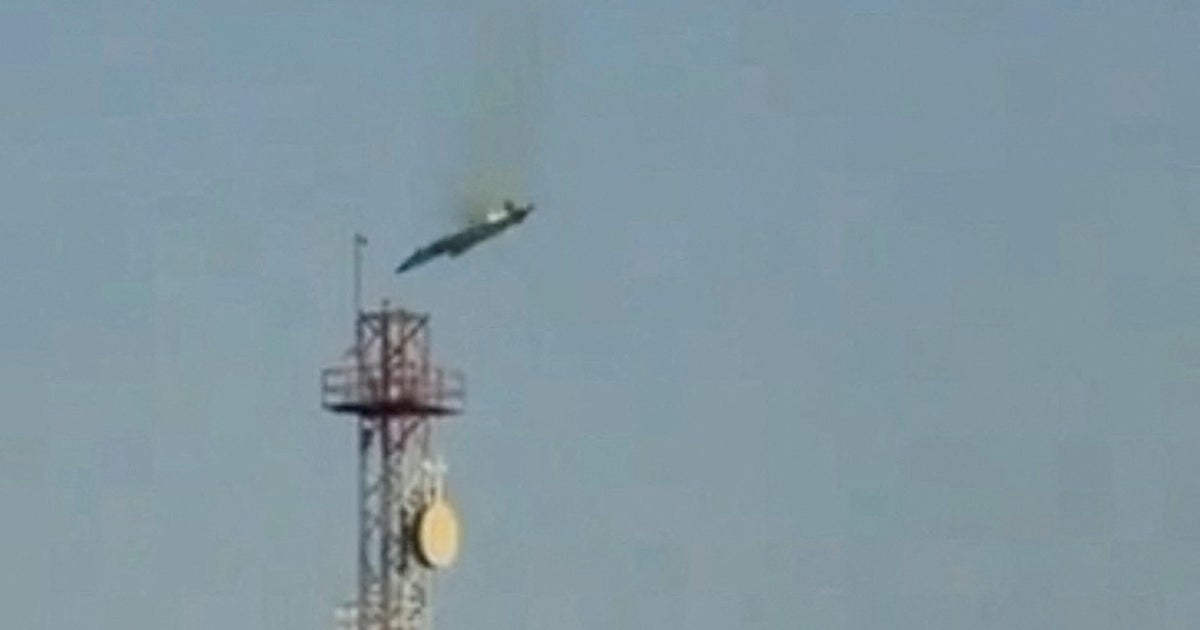

Friendly Fire Tragedy: Three U.S. Fighter Jets Mistakenly Downed Over Kuwait
The Incident and Immediate Aftermath
In a sobering reminder of the chaos and dangers inherent in modern warfare, three American F-15 fighter jets were accidentally shot down over Kuwait in what U.S. military officials have confirmed as a “friendly fire incident.” The jets, which were conducting operations in support of the ongoing military campaign against Iran, were mistakenly engaged by Kuwaiti air defense systems. While the loss of these advanced aircraft represents a significant material setback, the human outcome could have been far worse. Remarkably, all six crew members aboard the three fighter jets managed to eject safely from their aircraft and were subsequently recovered by rescue teams. According to statements from U.S. Central Command (CENTCOM), all airmen are in stable condition and receiving appropriate medical care. The incident occurred during a particularly tense operational environment, as U.S. and allied forces worked frantically to intercept a barrage of Iranian aircraft, ballistic missiles, and drone attacks targeting the region.
Official Responses and Acknowledgments
The U.S. military’s Central Command was quick to release information about the incident, demonstrating transparency while also expressing gratitude for Kuwait’s cooperation during this difficult moment. CENTCOM acknowledged that Kuwaiti authorities had recognized the mistake and emphasized its appreciation for the efforts of Kuwaiti defense forces in their support of ongoing operations. The statement reflected the delicate diplomatic balance required when accidents occur between allied nations during joint military operations. Kuwait’s defense ministry independently confirmed the incident through its social media channels, reporting that several U.S. warplanes had crashed within Kuwaiti territory. Ministry spokespeople detailed that authorities immediately launched comprehensive search and rescue operations, successfully locating all crew members and evacuating them to local hospitals for evaluation and treatment. The swift response by Kuwaiti emergency services undoubtedly contributed to the positive outcome for the American airmen involved. This tragedy underscores both the risks of complex military operations involving multiple nations and the importance of strong coordination and communication between allied forces during combat situations.
The Broader Military Context: Operation Epic Fury and Roaring Lion
The downing of these F-15s occurred on the third day of what has become known as the Iran war—a coordinated military campaign involving both American and Israeli forces. The operation carries different names depending on which nation is referencing it: Israel has dubbed its participation “Operation Roaring Lion,” while the United States refers to the campaign as “Operation Epic Fury.” This joint military action represents a significant escalation in regional tensions and demonstrates the depth of the security partnership between Washington and Jerusalem. The operation has provoked substantial retaliation from Iran, which has responded with missile attacks targeting both Israel and neighboring Arab states that Tehran views as hostile or complicit in the campaign against it. The intensity of Iranian counterattacks created the challenging operational environment in which the friendly fire incident occurred, as air defense systems throughout the region were on high alert, attempting to track and engage numerous incoming threats simultaneously. This heightened state of alert, while necessary for protecting civilian populations and military assets, also creates conditions where identification errors and tragic mistakes become more likely, particularly when friendly aircraft are operating in the same airspace as enemy threats.
Casualties and Human Cost of the Conflict
While the six crew members from the downed F-15s survived their ordeal, the broader military campaign has not been without its human cost for American forces. U.S. Central Command confirmed on Sunday that three American service members have been killed in action, with five others sustaining serious wounds requiring medical treatment. CBS News reported that these casualties occurred among American personnel stationed in Kuwait, highlighting that even those not directly engaged in combat flight operations face significant risks during military campaigns of this scale. The deaths of these service members represent the ultimate sacrifice and serve as a somber reminder that military operations, regardless of their strategic importance, exact real human costs from the men and women who serve. For Iran, the human toll has been dramatically higher according to reports from Iranian authorities. The Iranian Red Crescent organization has stated that 555 people have been killed within Iran since the beginning of the joint U.S.-Israeli military operation, though the nature of these casualties—whether military personnel, civilian deaths from collateral damage, or some combination—remains unclear from available reporting. These figures paint a picture of a conflict that, while concentrated in specific operational areas, has already resulted in significant loss of life across the region.
Presidential Commitment and Timeline
President Trump addressed the American public and the international community on Sunday, making clear that the joint military operation would continue despite the costs already incurred. His statement emphasized that operations would proceed “until all of our objectives are achieved,” signaling a determination to see the military campaign through to its conclusion regardless of setbacks or international pressure to halt the action. The President’s remarks also provided insight into the expected duration of the campaign, indicating that achieving all stated objectives could require up to four weeks of sustained military operations. This timeline suggests a comprehensive campaign with multiple phases and objectives rather than a limited strike intended merely to send a message or degrade specific capabilities. The commitment to potentially four weeks of operations indicates that planners anticipate the need for sustained pressure to achieve strategic goals, whether those involve degrading Iranian military capabilities, compelling changes in Iranian behavior, or achieving other policy objectives. For military families, regional allies, and international observers, this timeline provides some framework for expectations while also acknowledging the fluid nature of military operations where timelines can extend based on battlefield developments and enemy responses.
Implications and the Fog of War
The friendly fire incident that resulted in the loss of three F-15 fighters serves as a powerful illustration of what military theorists have long called “the fog of war”—the uncertainty, confusion, and imperfect information that characterizes combat operations. Despite decades of technological advancement, sophisticated identification systems, and extensive coordination protocols between allied forces, the fundamental challenges of distinguishing friend from foe in dynamic, high-stress combat environments persist. Modern air defense systems must make split-second decisions about targets, often relying on electronic signatures, flight profiles, and positioning data that can be ambiguous or contradictory, especially when friendly and hostile aircraft operate in proximity. The fact that Kuwaiti air defenders were simultaneously tracking Iranian aircraft, ballistic missiles, and drones undoubtedly contributed to an environment where mistakes became more likely. This incident will certainly prompt reviews of identification procedures, communication protocols, and coordination mechanisms between U.S. and Kuwaiti forces to prevent similar occurrences in the future. Yet the broader lesson remains that war, despite technological sophistication, retains an irreducible element of chaos and human error. As Operation Epic Fury continues and potentially expands over the coming weeks, all parties involved will need to balance aggressive prosecution of military objectives against the ever-present risks of accidents, miscommunication, and unintended consequences that have characterized warfare throughout human history. The survival of all six American airmen in this incident represents a small mercy amid the larger tragedy of conflict, reminding us that even in our darkest moments, fortune sometimes smiles on those who serve.