
Major Frozen Food Recall Expands Due to Glass Contamination Concerns
Understanding the Scope of the Recall
A significant food safety issue has prompted one of the largest frozen food recalls in recent memory, affecting millions of American households. Ajinomoto Foods North America, a manufacturer based in Portland, Oregon, has dramatically expanded its recall of frozen meal products after initially pulling 3.4 million pounds of chicken fried rice from store shelves in February. The company has now recalled nearly 37 million pounds of various frozen food items due to potential glass contamination, a development that has raised serious concerns among consumers and food safety officials alike. This massive recall affects products sold at popular retailers across the country, including Trader Joe’s and Kroger, and encompasses a wide variety of ready-to-eat frozen meals that many families rely on for quick and convenient dinners. The United States Department of Agriculture has been working closely with the manufacturer to ensure all potentially affected products are removed from store shelves and consumer homes as quickly as possible to prevent any potential injuries.
Products and Brands Affected by the Recall
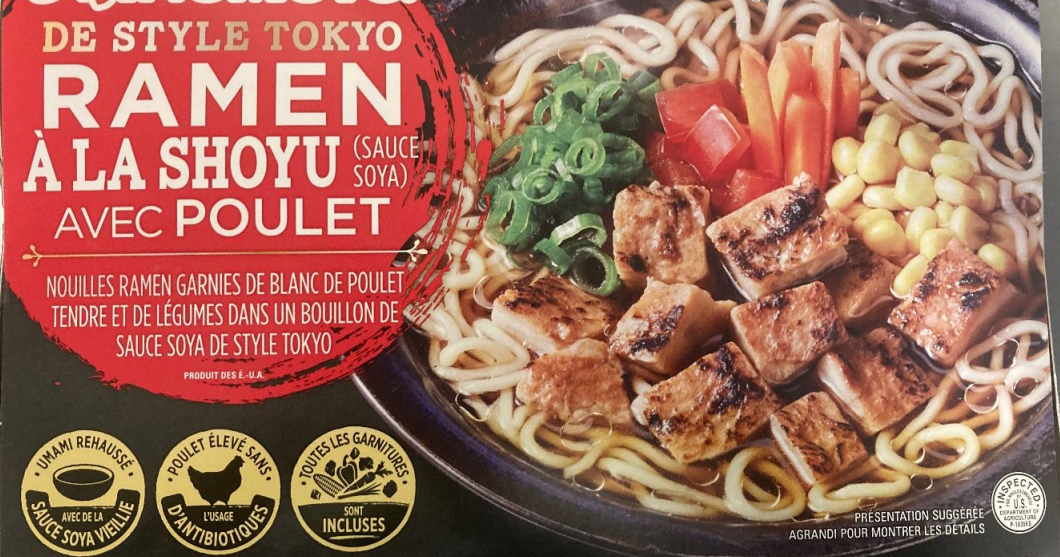
The expanded recall covers an extensive range of frozen food products that many shoppers may have in their freezers right now. A total of 16 different products manufactured between October 2024 and February 2026 are included in this recall, affecting multiple well-known brands that consumers trust. The recall spans products sold under the Ajinomoto, Kroger, Ling Ling, Tai Pei, and Trader Joe’s brand names, representing a significant cross-section of the frozen food market. The affected items include popular choices such as chicken fried rice, pork fried rice, various ramen products, and shu mai dumplings—all items that have become staples in many American households looking for quick meal solutions. The products carry best-by dates ranging from February 28, 2026, to August 19, 2027, meaning that consumers may have purchased these items recently or even have them stored in their freezers for future use. These products were distributed to retail locations throughout the entire United States, and some Ajinomoto-branded items were even exported to neighboring countries, including Canada and Mexico, expanding the potential reach of this food safety concern beyond American borders.
How the Contamination Was Discovered
The discovery of this contamination issue came directly from consumers who were vigilant enough to notice something wrong with their food before consumption could lead to injury. Multiple customers reported finding pieces of glass in their frozen meals, which prompted them to contact food regulators and alert them to the potentially dangerous situation. This consumer feedback initiated an investigation that would ultimately uncover a more widespread problem than initially anticipated. Upon conducting a thorough investigation into the source of the contamination, Ajinomoto Foods North America determined that a vegetable ingredient was the likely culprit behind the glass fragments found in their products. Specifically, the company identified carrots as the probable source of the glass contamination, a finding that helped explain why the problem affected such a wide range of products. Since carrots are a common ingredient used across many different frozen meal varieties, this discovery led to the significant expansion of the original recall to include all products that might have been manufactured using the contaminated vegetable source. This investigation highlights the complexity of modern food supply chains and how a problem with a single ingredient can ripple through an entire product line.
Current Safety Status and Consumer Protection
Despite the massive scale of this recall affecting millions of pounds of frozen food products, there is some reassuring news for concerned consumers. As of the latest update from the United States Department of Agriculture, the agency has not received any confirmed reports of injuries resulting from consumers eating any of the recalled products. This suggests that the early detection system, powered largely by attentive consumers who reported finding glass in their meals, worked effectively to prevent widespread harm. However, the absence of reported injuries should not diminish the seriousness of this recall or cause consumers to be complacent about checking their freezers for affected products. Glass contamination represents a significant health hazard, as consuming even small fragments of glass can cause serious internal injuries, including cuts to the mouth, throat, digestive tract, and intestines. The potential for harm is real, which is why both the manufacturer and federal food safety officials are treating this matter with the utmost urgency and encouraging all consumers to take immediate action if they have purchased any of the affected products.
What Consumers Should Do Now
If you regularly shop at Trader Joe’s, Kroger, or other major retailers and have purchased frozen Asian-inspired meals in recent months, it’s important to take action immediately to protect yourself and your family. The first step is to carefully check your freezer for any of the recalled products by comparing what you have with the complete list of affected items and their corresponding labels, which is available through the USDA’s official recall notice. Look specifically for products under the Ajinomoto, Kroger, Ling Ling, Tai Pei, and Trader Joe’s brands, and check the best-by dates on the packaging to see if they fall within the affected range of February 28, 2026, to August 19, 2027. If you discover that you have purchased any of these recalled products, do not consume them under any circumstances, even if you’ve already eaten from the same package before without incident—the distribution of glass fragments within contaminated products can be random and unpredictable. Instead, you should either return the products to the store where you purchased them for a full refund, or dispose of them in a way that ensures no one else could accidentally consume them. Most retailers involved in this recall have systems in place to process returns and provide refunds without requiring a receipt, given the serious nature of food safety recalls.
The Broader Implications for Food Safety
This massive recall serves as an important reminder about the complexities and challenges involved in maintaining food safety across the modern industrial food system. The fact that a single ingredient—carrots—could potentially contaminate 37 million pounds of finished food products demonstrates how interconnected our food supply chain has become and how problems at one point in the production process can have far-reaching consequences. It also highlights the critical role that consumers play in identifying food safety issues; without those initial complaints from observant customers who found glass in their meals, this problem might have continued undetected for much longer, potentially leading to serious injuries. For manufacturers, this incident underscores the importance of rigorous quality control measures throughout every step of the production process, from ingredient sourcing to final packaging. For consumers, it’s a reminder to remain vigilant about the food we eat, to report any concerns to appropriate authorities, and to take recall notices seriously even when we haven’t personally experienced problems with the products we’ve purchased. Moving forward, this recall will likely prompt both manufacturers and regulators to examine their procedures for ingredient inspection and contamination detection more closely, potentially leading to enhanced safety protocols that could prevent similar incidents in the future. While recalls of this magnitude are concerning, they also demonstrate that the food safety system, when working properly with active participation from consumers, manufacturers, and regulators, can identify and address problems before they result in widespread harm.