


Tragic Loss of Military Working Dogs Reveals Systemic Care Failures
Controversy Over Canine Deaths and Facility Conditions
A troubling Defense Department inspector general report has brought to light the deaths of four military working dogs between 2021 and 2023, sparking a debate about the conditions in which these loyal service animals are housed and cared for. The investigation concluded that these dogs died as a result of being kept in “aging and unsatisfactory kennel facilities,” a finding that the Air Force has contested. According to Air Force officials, autopsies revealed that one dog succumbed to severe bronchopneumonia, while three others died from extraintestinal pathogenic Escherichia coli pneumonia. The Air Force maintains that these medical findings did not point to neglect as the cause of death. However, despite this disagreement over the specific cause of the deaths, the Air Force has agreed with the report’s broader recommendations to significantly increase the number of caretakers responsible for military working dogs and to develop a comprehensive plan to modernize and upgrade kennel facilities across the board. This acknowledgment suggests that even if direct neglect wasn’t proven in these specific cases, there are serious systemic issues that need addressing to ensure the welfare of these animals who serve alongside our military personnel.
Widespread Facility Problems Discovered Across Multiple Bases
The inspector general’s investigation painted a disturbing picture of the conditions facing military working dogs across the country. Investigators conducted visits to twelve different military installations representing various service branches, uncovering problems that ranged from inconvenient to potentially dangerous. At Fort Bragg in North Carolina, inspectors discovered mold contaminating light fixtures, ceiling tiles, and equipment rooms in one building, while another building had become so compromised by mold growth that it was closed entirely. The report found that the military working dog program failed to consistently protect dogs in non-training status from extreme weather conditions and kennel mold issues. Additionally, there were serious deficiencies in how quarantine and isolation areas were managed. These findings reveal that the problems aren’t isolated to one location but represent a systemic failure across multiple facilities. The aging infrastructure at these bases clearly hasn’t kept pace with modern standards for animal care, and the dogs serving our country are paying the price. These conditions not only compromise the health and wellbeing of the animals but also potentially reduce their effectiveness as working dogs and shorten their service lives.
Critical Staffing Shortages at Primary Training Facility
Perhaps the most alarming findings centered on Joint Base San Antonio Lackland in Texas, which serves as the primary training facility where all military working dogs undergo their initial preparation for service. At this critical facility, investigators discovered approximately 200 dogs that were not receiving the required amount of physical or social activity due to severe caretaker shortages. The gap between required care and actual care was staggering: while Department of Defense standards mandate that dogs receive five hours daily of physical activity, social interaction, and cognitive enrichment, the reality was that these dogs were walked for approximately ten minutes only four times per week, or even less in some cases. The investigation specifically focused on dogs in “non-training status”—meaning those not currently awaiting deployment, dogs with medical conditions, or those that had been rejected from the training program. At the time investigators visited, the unit was responsible for about 230 military dogs in non-training status. While the report noted that dogs actively in training generally received sufficient physical and social activity, those in non-training status were clearly suffering from inadequate care. This situation highlights a troubling reality: when dogs are no longer actively preparing for deployment, they seem to fall off the priority list, despite still being living creatures that require proper care and attention.
Visible Signs of Distress and Inadequate Conditions
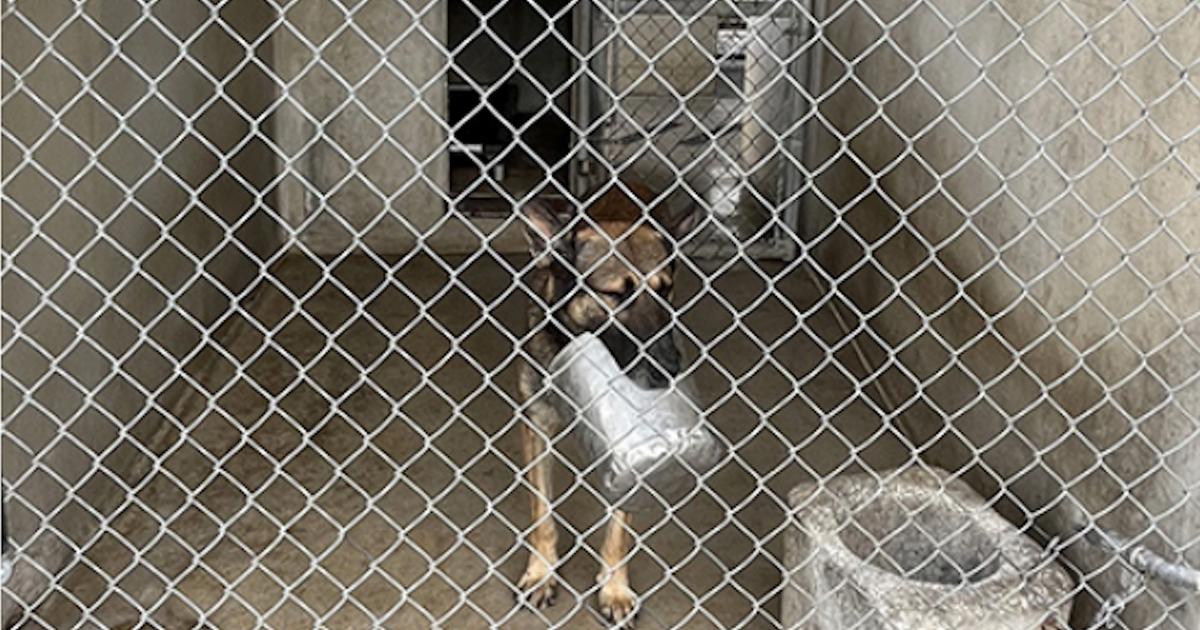
The consequences of this neglect were painfully visible to investigators who documented dogs exhibiting clear signs of psychological and physical distress. Animals at Joint Base San Antonio Lackland displayed repetitive stress behaviors including continuous spinning, jumping, obsessive chewing on their metal water buckets, and excessive vocalization—all classic indicators that their needs for physical exercise and social interaction were not being met. Beyond these behavioral signs, the dogs also showed physical symptoms of heat stress, including rapid panting with enlarged tongues and ears swept back, suggesting they were being exposed to extreme temperatures without adequate protection. Photographs included in the report showed dogs in open-air kennel facilities directly exposed to ambient weather conditions, with minimal shelter from the elements. When confronted with these findings, the training squadron acknowledged to investigators that they simply lacked the manpower necessary to provide the required five hours of daily physical activity. In an attempt to compensate, they tried to provide some form of enrichment through inflatables, audiobooks, music, and scented bubble machines. However, investigators determined that these passive measures were not sufficient substitutes for proper physical exercise, socialization, and hands-on care. The situation paints a picture of well-meaning but overwhelmed caretakers trying to do their best with inadequate resources, while the dogs in their care suffer the consequences.
The Broader Context of Military Working Dog Programs
To understand the full scope of this issue, it’s important to recognize the scale of the military working dog program. The Pentagon currently maintains over 2,200 working dog teams deployed across 182 locations worldwide. These dogs serve not only military installations but are also provided to state and federal agencies for various security and detection purposes. These animals perform critical functions in protecting service members, detecting explosives and narcotics, conducting search and rescue operations, and providing security at sensitive installations. They are highly trained specialists whose skills can take years to develop and who represent significant investments in time, resources, and training. More importantly, they are living beings who form deep bonds with their handlers and give their loyalty and service without question. The fact that systemic failures in housing and care exist across such a large and important program raises serious questions about priorities and resource allocation. These dogs literally put their lives on the line for military missions and personnel safety, yet the infrastructure supporting their health and wellbeing has been allowed to deteriorate to unacceptable levels. The deaths of four dogs and the suffering of hundreds more should serve as a wake-up call that these faithful servants deserve better than aging, moldy facilities and insufficient care.
Moving Forward: Recommended Changes and Air Force Response
In response to these troubling findings, the inspector general made specific recommendations to address the immediate and long-term problems facing the military working dog program. The secretary of the Air Force was advised to reduce the number of dogs at the training squadron until sufficient caretakers could be hired to provide adequate care for all animals in the facility. Additionally, the report called for the development of a comprehensive plan to upgrade kennel facilities to meet current Defense Department standards. The Air Force’s response has been cautiously positive. The assistant deputy chief of staff for logistics acknowledged the problems and indicated that the program is now authorized to hire additional caretakers for military working dogs. Furthermore, the Air Force committed to reducing the number of dogs in non-training status at the facility, which should help alleviate the caretaker shortage in the short term. While the Air Force continues to dispute that the four dog deaths were caused by neglect, their agreement with the overall recommendations suggests recognition that significant improvements are needed. The real test will be whether these commitments translate into meaningful change—upgraded facilities free from mold and extreme temperature exposure, adequate staffing levels to provide proper care, and systems to ensure that dogs in non-training status receive the same attention as those actively preparing for deployment. These working dogs have proven their loyalty and dedication repeatedly; now it’s time for the institutions they serve to demonstrate the same commitment to their welfare.