
The Limitations of Air Power: Why Bombing Alone Won’t Topple Iran’s Regime
A Century of Failed Attempts at Regime Change Through Air Strikes
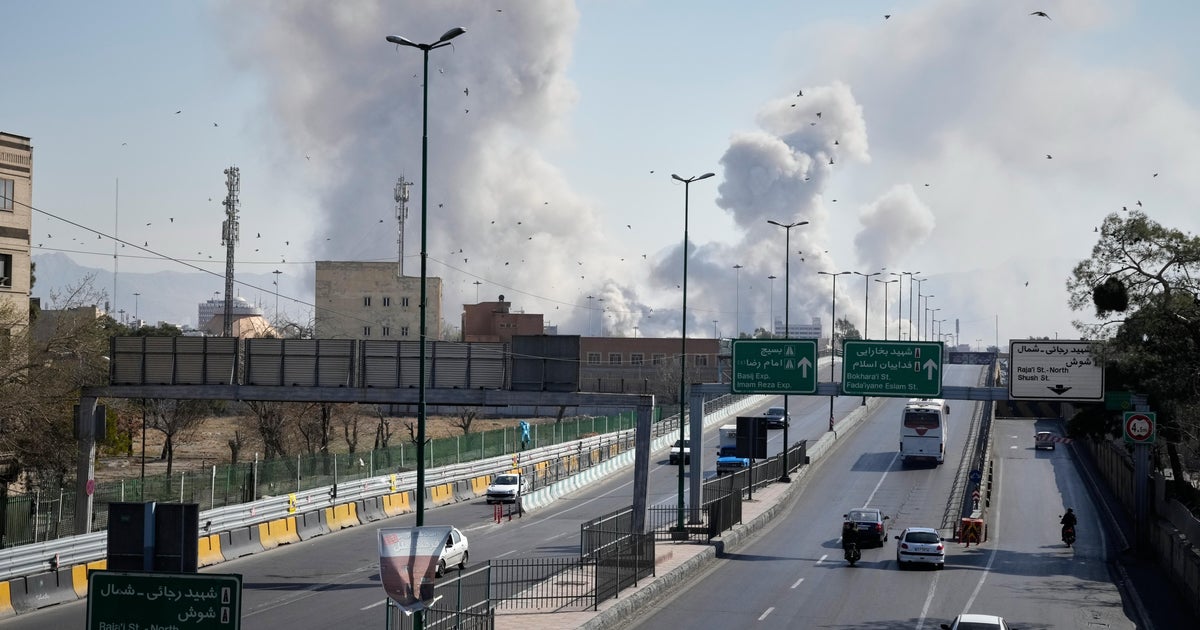
The ongoing conflict between the United States, Israel, and Iran has raised serious questions about the effectiveness of military strategy and the real possibility of achieving regime change through air power alone. According to Robert Pape, a distinguished professor of political science at the University of Chicago who has dedicated three decades to studying air campaigns, history offers a sobering lesson: bombing campaigns have never successfully toppled a government and installed a friendlier leadership. Despite the dramatic Israeli airstrikes that killed Supreme Leader Ayatollah Ali Khamenei and dozens of other high-ranking Iranian officials at the war’s outset, the country’s military apparatus and senior religious leaders maintain their grip on power. The Iranian Revolutionary Guard Corps continues launching retaliatory drone and missile attacks throughout the region, while a clerical body works methodically to select Iran’s next supreme leader. This reality underscores a pattern that Pape has observed repeatedly throughout modern military history: air strikes, no matter how precise or devastating, cannot by themselves force a regime’s collapse. Instead, what we’re witnessing is the beginning of what could become a prolonged and increasingly dangerous conflict that risks spreading far beyond the Middle East’s borders. The initial strikes failed to produce the quick and decisive victory that military planners might have hoped for, setting the stage for a potentially extended confrontation with unpredictable consequences.
The Paradox of Bombing: Creating Harder-Line Leadership
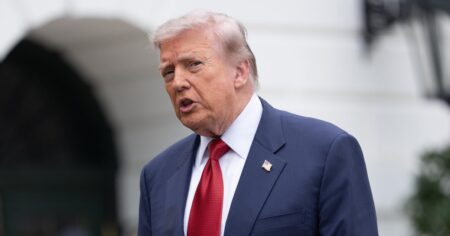
One of the most counterproductive aspects of relying on air strikes to achieve regime change is the unintended political consequences that typically follow. Rather than weakening a targeted nation’s resolve or encouraging moderate voices to emerge, bombing campaigns often inject powerful waves of nationalism into the population, creating sympathy for even unpopular governments and paving the way for more extreme leadership. Pape describes this as “a self-defeating policy practice politically,” noting that the usual result is the emergence of leaders who are even more hard-line than their predecessors. This concern has apparently reached President Trump himself, who has expressed reservations about certain potential successors to Khamenei, including the late Supreme Leader’s son, whom Trump views as potentially “much worse than what we had before.” This creates a frustrating paradox for American and Israeli policymakers: the very military actions designed to weaken Iran’s government may actually strengthen it by rallying public support around the flag and empowering the most radical elements within the country’s leadership structure. President Trump has called for nothing less than “unconditional surrender” from Iran and has not ruled out deploying ground troops, while simultaneously calling on the Iranian people to seize the opportunity to overthrow their government. Yet he’s also signaled willingness to accept a new leader from within the current power structure if that person proves more cooperative with American interests, frequently citing Venezuela as an example where U.S. forces captured President Nicolás Maduro and installed an interim leader willing to work with Washington.
Military Realities and Strategic Dead Ends
Even within the Israeli military and intelligence establishment, there’s recognition that the current approach faces severe limitations. Amos Yadlin, the former head of Israeli military intelligence, acknowledged that no reasonable person in the Israeli government or military believes regime change is actually feasible at this point in the conflict. This assessment reflects an understanding of how asymmetric warfare actually functions in practice. As Pape explains, Iran “can do many things to prolong the war and hurt us and never fight a set-piece battle with us”—exactly the kind of strategy that allowed North Vietnam to ultimately prevail against the United States despite America’s overwhelming technological and resource advantages. The parallel to Vietnam is particularly troubling because it suggests that the United States and its allies may be heading down a path where there simply is no clear strategy for victory. Pape’s warning is blunt: “I’m sorry to say, we’re heading down a road where we don’t have a strategy to win.” This isn’t merely an academic concern about military theory; it has immediate practical implications. U.S. allies in the Gulf have already reported that they’re running dangerously low on the interceptors needed to shoot down Iranian missiles, raising serious questions about the sustainability of the current defensive posture. The economics of this defensive approach are troubling as well—expensive interceptor missiles are being used to counter comparatively low-cost drones and missiles, creating an imbalance that favors Iran’s ability to sustain attacks over the long term.
The Evolution of Precision Warfare and Its Limitations
Pape’s skepticism about air power’s effectiveness is rooted in decades of research that began in the 1980s when he set out to understand how the United States could have lost in Vietnam despite its massive advantages. His work took on new dimensions in the 1990s with the emergence of precision-guided weapons, which seemed to promise a revolution in military affairs. The thinking at the time was intoxicating to military planners: precision targeting combined with precision intelligence would finally make it possible to topple governments from the air without the messy complications of ground invasions. “Wow, we have precision targeting. We’ll do this with precision intel. We really can now take down governments,” Pape recalls as the prevailing sentiment. Yet the subsequent thirty years have produced a record of exactly zero successes in achieving regime change through bombing alone. The reason, according to Pape, is that the technological capabilities of modern weapons are so mesmerizing that they blind strategists to the larger political and military realities. “The targeting is so mesmerizing, you don’t see the long war coming,” he explains. This observation cuts to the heart of why precision weapons, despite their remarkable capabilities, haven’t translated into the strategic victories that their proponents predicted. The ability to strike specific targets with unprecedented accuracy doesn’t change the fundamental political dynamics that determine whether a government survives or falls, and it doesn’t prevent a determined adversary from adapting their tactics to avoid direct confrontation while still inflicting damage.
The Growing Risk of Global Escalation
Perhaps the most alarming aspect of the current situation is the potential for the conflict to expand beyond the Middle East and become a truly global confrontation. Pape warns that “this will not just stop at escalation in the Middle East. This will start to escalate more globally as the weeks and time goes on.” Iran and its network of proxy groups have demonstrated both the capability and willingness to strike targets throughout the region, and there’s no reason to believe they would limit themselves geographically if the conflict continues to intensify. This raises the specter of attacks on American and allied interests around the world, potentially drawing more countries into the conflict and creating new theaters of operation that would stretch military resources even thinner. The risk of miscalculation or unintended escalation grows with each passing week of conflict, as both sides become more committed to their positions and the political costs of backing down increase. Pape’s critique extends beyond tactical considerations to fundamental questions of strategy: “There’s not really a strategy here. Doubling down, talking tough and smack in front of your publics—that is the way democracies often get into these long wars.” This pattern, he suggests, leads to leaders who eventually “look like embarrassments years later, because it turns out it just doesn’t work.” The question that haunts this analysis is simple but profound: where is the actual strategy that leads to a successful conclusion?
Facing an Uncertain and Dangerous Future
The concerns that Pape articulates are echoed by other experienced analysts and former intelligence officials who have watched the situation develop. Elliot Ackerman, a CBS News contributor and former CIA officer, described the current approach as “incredibly risky,” noting that it relies on elements of Iranian civil society rising up to take control of their government—an outcome that is far from guaranteed and may not even be likely. Ackerman points out that Iran is the second-largest country in the Middle East, with complex internal dynamics that outsiders barely understand. “I just am very skeptical that this isn’t going to get very, very messy and that it’s not going to be over for quite some time,” he said. This assessment suggests that even those who have spent their careers in intelligence and military affairs working on Middle East issues see the current path as leading toward a protracted, complicated conflict without a clear endgame. The fundamental problem is that air power, for all its technological sophistication and destructive capability, cannot accomplish political objectives that require changes in how people think, who they’re willing to follow, and what kind of government they’ll accept. Bombing can destroy infrastructure, kill leaders, and disrupt military operations, but it cannot build the political consensus necessary for lasting change. As the conflict continues, the international community watches nervously, aware that what happens in this confrontation could reshape geopolitics for years to come and potentially draw multiple nations into a widening war that nobody truly wants but that may prove difficult to stop once it gains momentum.