
The Rise of Pay by Bank: Convenience vs. Consumer Protection
A New Payment Revolution Takes Hold
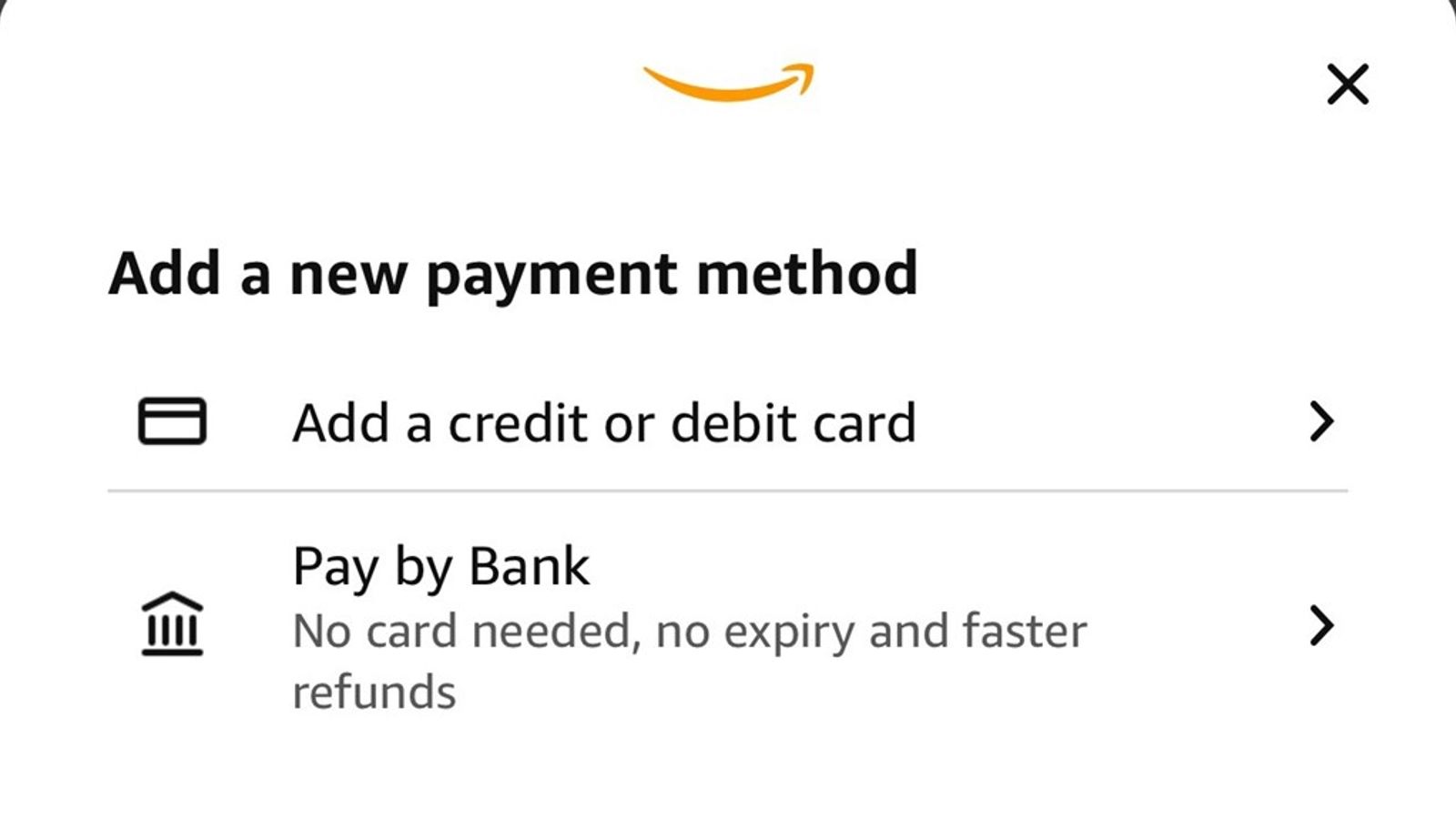
The way we shop online is changing rapidly, and one of the latest innovations to capture attention is “pay by bank” – a streamlined payment method that allows customers to purchase products without fumbling for their wallet or typing in lengthy card details. This payment option has been steadily gaining traction across the retail landscape, and this week brought significant news when Amazon, one of the world’s largest online retailers, announced it would be rolling out this payment method for its customers. Amazon shoppers can now use pay by bank when purchasing products or setting up their Prime subscriptions, joining a growing list of major retailers embracing this technology. The concept is elegantly simple: customers can transfer funds directly from their bank accounts to retailers without needing to enter any credit or debit card information. Beyond Amazon, several other household names have already jumped on the bandwagon, including budget airline Ryanair and food delivery service Just Eat, signaling that this payment method is becoming increasingly mainstream in the e-commerce world.
Understanding How Pay by Bank Works
For consumers navigating the modern digital marketplace, pay by bank represents a significant departure from traditional online payment methods. The process eliminates the need to physically retrieve a card from your wallet, manually enter the long card number, expiration date, security code, and billing address – all those steps that can feel tedious, especially when shopping on a mobile device with a small screen. Instead, the system creates a direct connection between your bank account and the retailer, allowing for instant fund transfers with just a few clicks or taps. This streamlined approach offers notable advantages in terms of speed and simplicity, making the checkout process considerably faster and reducing the friction that sometimes causes shoppers to abandon their carts before completing a purchase. From the retailer’s perspective, there are compelling financial incentives as well. Traditional card payments involve processing fees that can eat into profit margins, particularly for businesses operating on thin margins. By facilitating direct bank transfers, retailers can significantly reduce these transaction costs, potentially saving substantial amounts of money across thousands or millions of transactions. This mutual benefit – convenience for consumers and cost savings for businesses – has fueled the rapid adoption of pay by bank across various sectors of the retail economy.
The Consumer Protection Problem
However, beneath the surface convenience of pay by bank lurks a significant concern that consumer rights experts are increasingly vocal about. Scott Dixon, a prominent consumer rights advocate, has raised important red flags about what customers are actually giving up when they choose this payment method over traditional card payments. The central issue revolves around consumer protections – specifically two powerful refund mechanisms that have long served as safety nets for British shoppers: Section 75 of the Consumer Credit Act and chargeback rights. Section 75 provides robust protection for credit card purchases over £100, making the card company jointly liable with the retailer if something goes wrong. Chargeback, available on both credit and debit card transactions, allows customers to request their bank reverse a payment if goods aren’t delivered, arrive damaged, or the seller goes bust. These protections have saved countless consumers from losing money in disputes with retailers. When you opt for pay by bank, however, these safety mechanisms are either completely removed or significantly weakened, leaving you in a much more vulnerable position. If a seller refuses to provide a refund, delivers faulty goods, or goes out of business before fulfilling your order, you may find yourself with limited recourse to recover your money. In essence, you’re effectively on your own, relying solely on the retailer’s goodwill and the basic protections offered under general payment regulations rather than the enhanced safeguards that come with card payments.
Making Smart Decisions About When to Use Pay by Bank
Given these concerns, consumer experts aren’t necessarily saying you should avoid pay by bank entirely – rather, they’re emphasizing the importance of making informed, strategic decisions about when it’s appropriate to use this payment method and when you should stick with traditional card payments. Dixon suggests asking yourself several critical questions before clicking that pay by bank button: Do I genuinely trust this seller based on their reputation and track record? Can I afford to lose this money if something goes wrong with the purchase and I can’t get a refund? Why is paying by debit or credit card not an option, and does that raise any concerns? Am I comfortable giving up my right to chargeback or Section 75 protection for this particular transaction? If your answer is “no” to any of these questions, it’s worth taking the extra few moments to retrieve your card and enter the details manually. Dixon specifically recommends avoiding pay by bank for certain categories of purchases where the risks are heightened. High-ticket items such as holidays, electronics, cars, and furniture represent significant financial investments where the stakes of something going wrong are considerably higher. Future-dated purchases like concert tickets, hotel bookings, or event reservations carry additional risk because there’s a longer window during which the seller could experience financial difficulties. Purchases from unfamiliar sellers also warrant extra caution, as you don’t have an established relationship or reputation to rely on. For purchases over £100, using a credit card for at least the deposit gives you the strongest possible protection through Section 75. For anything under £100, a debit card remains preferable to pay by bank, as it provides chargeback protection covering you for up to 120 days from the purchase date.
Amazon’s Response and Assurances
In response to these consumer protection concerns, Amazon has moved to reassure customers that using pay by bank on their platform doesn’t leave them unprotected. An Amazon spokesperson provided a statement emphasizing that the company’s customer protection policies apply uniformly across all payment methods, including pay by bank, and are designed to give customers confidence when shopping on the platform. According to Amazon, all purchases made directly from Amazon itself are covered by their standard return and refund policies, which have been in place for years and generally provide generous return windows for most products. For items purchased from third-party sellers operating through Amazon’s marketplace, the company’s A-to-Z Guarantee comes into play, offering protection if items fail to arrive or don’t match their description. Additionally, Amazon points out that all pay by bank transactions fall under the umbrella of UK Payment Services Regulations, which provide consumer protection for up to 13 months from the transaction date. The spokesperson also highlighted what Amazon considers additional benefits of the pay by bank system, particularly emphasizing that it enables faster refunds to reach customers’ accounts. The company frames pay by bank as both a secure and convenient payment option that adds value to the customer experience rather than diminishing it. This perspective represents the broader position of retailers and payment service providers who are promoting this technology as the next evolution in e-commerce payments.
Navigating the Future of Online Payments
As pay by bank continues to expand across the retail landscape, consumers find themselves navigating a more complex payment ecosystem that requires greater awareness and more thoughtful decision-making. The fundamental tension between convenience and protection isn’t new in the world of commerce, but the specific trade-offs presented by pay by bank require shoppers to think more carefully about each transaction rather than simply defaulting to whatever payment method appears first at checkout. The technology clearly offers genuine benefits – the speed and simplicity are real, and for small, low-risk purchases from trusted retailers, these advantages may well outweigh the reduced protections. Buying your regular groceries from a well-established supermarket chain or ordering a book from a major retailer you’ve used dozens of times before probably doesn’t require the full protective armor of Section 75 coverage. However, as purchases become larger, more complex, or involve less familiar sellers, the calculus shifts dramatically. The emerging best practice seems to be treating pay by bank as a tool in your payment toolkit rather than a replacement for card payments – appropriate for certain situations but not universally suitable for all transactions. As this payment method becomes more prevalent, consumers would be wise to maintain their awareness of what protections apply to different payment types and consciously choose the method that best matches their needs for each specific purchase. The convenience of modern payment technology is undeniable, but it shouldn’t come at the cost of the hard-won consumer protections that provide essential security in an increasingly digital marketplace.