

American F-15E Fighter Jet Downed Over Iran: What We Know
The Incident and Immediate Response
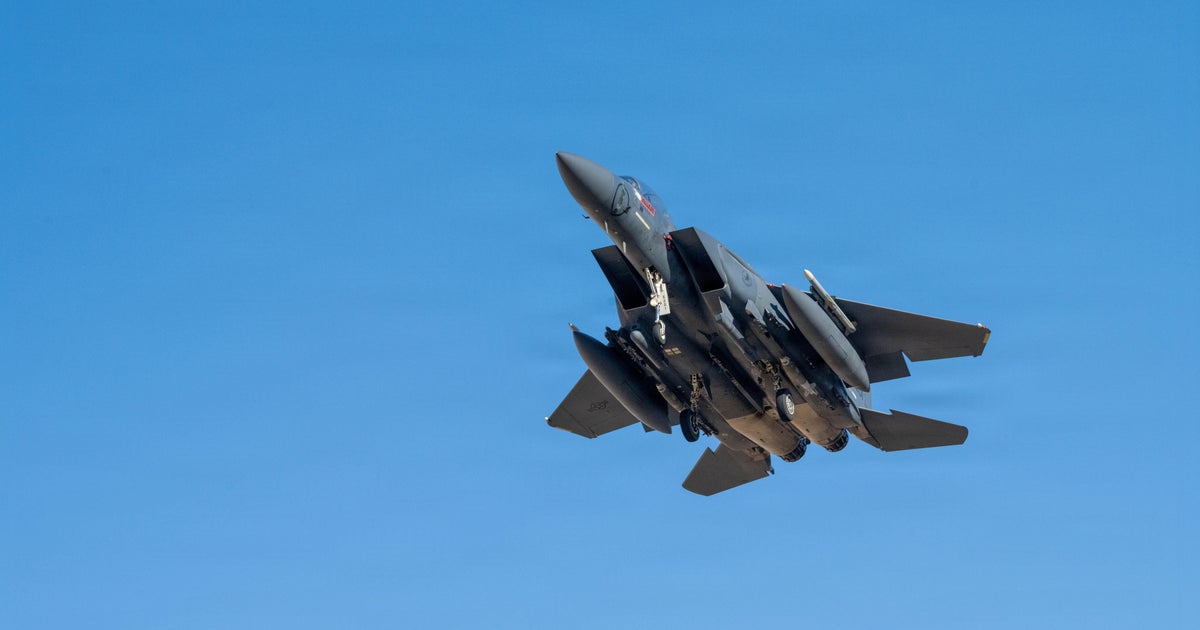
In a significant escalation of tensions in the Middle East, U.S. officials confirmed on Friday that an American F-15E fighter jet has been shot down over Iranian territory. The aircraft, which requires a two-member crew to operate, went down somewhere in the middle of the country, prompting an immediate search and rescue operation. The Islamic Revolutionary Guard was quick to claim responsibility for downing the American warplane, marking a serious development in the ongoing conflict between the United States and Iran.
Social media platforms quickly became flooded with images and video footage, many shared through Iranian state-controlled news outlets, showing what appeared to be American rescue assets in action. The footage depicted at least one U.S. C-130 transport aircraft along with two Black Hawk helicopters flying at unusually low altitudes over central and southwestern regions of Iran. Military analysts and observers believe these aircraft are part of a coordinated effort to locate the downed crew members and bring them home safely. The presence of these rescue aircraft flying deep inside Iranian airspace underscores the dangerous and complex nature of the operation, as they must navigate through potentially hostile territory while racing against time to recover American service members.
Mounting Losses and the Reality of Air Operations
This latest incident adds to what has become an increasingly troubling pattern of American aircraft losses in the region. According to reports from CBS News earlier in the week, the U.S. military has lost at least 16 MQ-9 Reaper drones over Iran since the conflict began. These unmanned aerial vehicles, which carry a price tag of approximately $30 million each, represent significant intelligence-gathering and strike capabilities. The loss of so many drones raises questions about the effectiveness of current operational strategies and the resilience of Iranian air defenses, which American commanders had claimed were largely neutralized.
Perhaps even more concerning were the three F-15 fighter jets that were shot down over Kuwait in what military officials described as a “friendly fire incident” during the early stages of the conflict. While there were thankfully no casualties in that tragic error, the incident highlighted the fog of war and the very real dangers faced by American pilots operating in the complex and crowded airspace of the Middle East. Friendly fire incidents, while relatively rare in modern warfare thanks to advanced identification systems, remain an ever-present risk when multiple allied forces operate in close proximity with sophisticated weapons systems capable of engaging targets at great distances.
The Contradiction Between Claims and Reality
The downing of the F-15E stands in stark contrast to the confident assessments that have been coming from American military and political leadership in recent weeks. President Trump, Defense Secretary Pete Hegseth, and various military commanders have repeatedly assured the American public and the international community that U.S. forces have achieved and maintained complete air superiority over Iran. According to their statements, American airstrikes had effectively crippled Iranian military capabilities, leaving them unable to mount any meaningful defense or counterattack.
Just one day before Friday’s incident, CENTCOM Commander Admiral Brad Cooper delivered what now appears to be an overly optimistic assessment of the military situation. Speaking on Thursday, Cooper stated with confidence: “Now in our fifth week of the campaign, it is my operational assessment that we are making undeniable progress. We don’t see their navy sailing. We don’t see their aircraft flying, and their air and missile defense systems have largely been destroyed.” The admiral’s words suggested that Iran had been rendered essentially defenseless, unable to project power or protect its own airspace. The successful downing of an advanced American fighter jet less than 24 hours later calls these assessments into serious question and suggests that Iranian capabilities may have been significantly underestimated or that they have adapted their tactics more effectively than anticipated.
Iranian Response and Propaganda Efforts
The Iranian response to the downed aircraft has been swift and calculated, mixing military action with psychological warfare and public relations efforts. A local affiliate of Iran’s state television network announced on Friday that authorities are offering a reward to any civilian who can capture the American pilot or pilots alive and turn them over to police. This announcement represents not just a practical effort to apprehend the crew members but also serves as a powerful propaganda tool, portraying the incident as a victory for Iran and encouraging public participation in what they frame as defending their homeland against American aggression.
Even more troublingly, the Associated Press reported that Iranian state television broadcast included written messages actively encouraging viewers to shoot at any U.S. aircraft they spot flying overhead. This call to action transforms the civilian population into potential combatants and significantly increases the danger for any American rescue operations. It also raises serious concerns about the safety of the downed crew members, should they have survived the crash. The Geneva Conventions provide protections for prisoners of war, but Iran’s history of using captured foreign nationals for political leverage, combined with the current state of hostilities, creates an extremely precarious situation for any Americans in Iranian custody.
Broader Implications for the Conflict
The loss of this F-15E fighter jet represents more than just the destruction of a valuable military asset—it signals a potential turning point in the conflict and raises fundamental questions about the trajectory of American military operations in the region. Modern fighter jets like the F-15E are equipped with some of the most advanced defensive systems in the world, including radar warning receivers, electronic countermeasures, and chaff and flare dispensers designed to defeat incoming missiles. The fact that Iranian forces were able to successfully target and destroy such an aircraft suggests either that their air defense systems are more capable than U.S. intelligence had assessed, or that they have developed new tactics that can overcome American technological advantages.
This incident will undoubtedly lead to a reassessment of operational procedures and risk calculations for American forces operating in and around Iranian airspace. Fighter pilots may be restricted to higher altitudes or different flight paths, potentially reducing their effectiveness in certain missions. Intelligence agencies will be working overtime to understand exactly what weapons system was used to down the aircraft and how Iranian forces were able to successfully target it. Meanwhile, the ongoing search and rescue operation puts additional American lives and valuable aircraft at risk, as rescue forces must operate in an environment where they know the enemy has demonstrated the capability to shoot down advanced American aircraft. The coming days will be critical in determining not just the fate of the downed crew members, but potentially the entire strategic approach to the conflict with Iran.