



Ben Sasse’s Battle with Cancer and His Vision for America’s Future
A Dire Diagnosis and a Miraculous Response
Ben Sasse, the former Republican U.S. Senator from Nebraska who made his mark as a principled conservative voice in American politics, is now facing the fight of his life. In December, Sasse received the devastating news that he had stage 4 metastatic pancreatic cancer, one of the most aggressive and deadly forms of the disease. Doctors delivered the sobering prognosis that he likely had only three or four months left to live. However, Sasse’s story has taken an unexpected turn that offers hope not only for him but potentially for countless other cancer patients facing similar battles. He attributes his survival to what he calls “providence, prayer and a miracle drug” — a combination of faith, medical innovation, and perhaps something beyond scientific explanation. The former senator enrolled in a clinical trial for daraxonrasib, an experimental medication developed by Revolution Medicines, and the results have been nothing short of remarkable. His tumors have shrunk by an astonishing 76%, giving him precious additional time with his family and an opportunity to share his insights about life, faith, and the state of American politics.
The Promise of Medical Innovation
The clinical trial that Sasse joined represents the cutting edge of cancer treatment and demonstrates why continued investment in medical research is so critical. Daraxonrasib is showing promising results for patients with pancreatic cancer, a disease that has long been one of the most challenging to treat effectively. Traditionally, patients with the advanced stage of pancreatic cancer that Sasse is battling would have a life expectancy of approximately six months. However, the early data from the Revolution Medicines clinical trial indicates that patients receiving daraxonrasib are living around 13 months on average — more than double the typical survival time. For Sasse personally, the medication has provided what he describes as “extended time,” a gift that allows him to continue making contributions to public discourse and, most importantly, to spend more precious moments with his loved ones. This kind of breakthrough doesn’t happen by accident; it’s the result of years of painstaking research, substantial financial investment, and the courage of patients willing to participate in clinical trials even when facing their own mortality.
Opening Up About Faith, Family, and Mortality
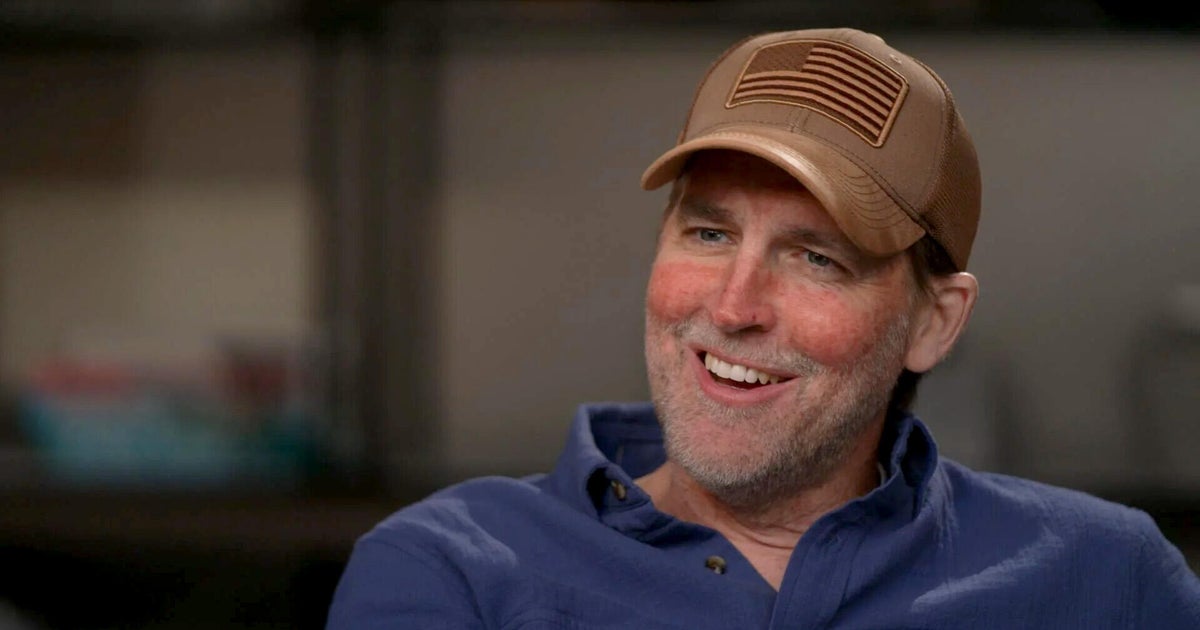
In a deeply personal interview with Scott Pelley for CBS’s “60 Minutes,” Sasse spoke candidly about his diagnosis, his family, and the role that faith plays in how he’s confronting his cancer. The conversation, which aired on Sunday and is available in an extended format in a special edition of “Things That Matter” on Paramount+, CBSNews.com, and YouTube, revealed a side of the former senator that the public rarely sees. Politicians often maintain a carefully crafted public image, but facing a terminal illness has a way of stripping away pretense and bringing what truly matters into sharp focus. For Sasse, that means his relationship with his family and his deeply held religious convictions. His reference to “providence” and “prayer” as factors in his improved condition speaks to a faith that goes beyond mere public religiosity — it reflects a genuine belief that there are forces beyond human understanding at work in the world. This perspective doesn’t diminish the importance of medical science; rather, Sasse seems to see his improvement as a convergence of human innovation and divine intervention, a both-and rather than an either-or proposition.
A Scathing Assessment of American Politics
While Sasse’s health battle would give most people reason enough to focus solely on personal matters, the former senator couldn’t help but weigh in on the state of American politics, delivering a critique that should concern citizens across the political spectrum. With the perspective that often comes with confronting mortality, Sasse offered a blunt assessment: “Neither of these parties really have very big or good ideas about 2030 or 2050.” This statement cuts to the heart of what many Americans sense but political leaders rarely acknowledge — that contemporary politics has become mired in short-term thinking, tactical maneuvering, and tribal point-scoring rather than genuinely grappling with the long-term challenges facing the nation. Sasse’s criticism isn’t partisan; he takes aim at both Republicans and Democrats for their failure to think seriously about the future. His observation that “The Congress is not wrestling with bigger important questions right now” is particularly damning coming from someone who served in that institution and understands its inner workings. Instead of addressing fundamental questions about America’s economic competitiveness, technological transformation, demographic changes, environmental challenges, and evolving role in the world, Congress seems trapped in an endless cycle of manufactured crises, political theater, and fights over relatively minor issues that generate headlines but don’t address root problems.
The Cost of Short-Term Political Thinking
Sasse’s critique raises important questions about why American politics has become so focused on the immediate and the tactical rather than the strategic and the long-term. Part of the answer lies in the incentive structures that govern political life. Elected officials face elections every two or six years, creating pressure to deliver visible results quickly rather than investing in solutions that might take a decade or more to bear fruit. The 24-hour news cycle and social media environment reward controversy and conflict over substance and cooperation. Gerrymandered districts and partisan primary elections push politicians toward ideological extremes rather than toward the center where compromise happens. And perhaps most fundamentally, the American people themselves often seem more interested in partisan combat than in the hard work of governing. But the consequences of this short-termism are severe and accumulating. The national debt continues to grow with no serious plan to address it. Infrastructure crumbles because maintaining and upgrading systems isn’t glamorous. Education systems struggle to prepare young people for a rapidly changing economy. Healthcare costs continue to rise unsustainably. Climate change accelerates while policy responses remain inadequate. These are precisely the kinds of “bigger important questions” that Sasse argues Congress should be wrestling with but isn’t.
A Call for Vision and Purpose
As Ben Sasse continues his fight against cancer, buoyed by medical innovation and sustained by faith and family, his words serve as a challenge to America’s political class and to citizens more broadly. His experience reminds us that life is finite and that the time we have should be used purposefully. For a nation, the same principle applies — we have a limited window to address the challenges that will determine what kind of country we leave to future generations. The fact that a man facing his own mortality is calling attention to the lack of long-term thinking in American politics should be a wake-up call. Sasse’s journey from the Senate to his current battle with cancer has given him a perspective that transcends partisan politics. His remarkable response to treatment offers hope for medical progress against one of the deadliest diseases, while his critique of American political institutions offers a diagnosis of a different kind of illness affecting the body politic. Whether our political system can respond to his challenge remains to be seen, but the first step is acknowledging the problem: that neither party is offering compelling visions for America’s future decades from now, and that Congress has lost its focus on the fundamental questions that will shape that future. If anything positive can come from Sasse’s diagnosis, perhaps it’s this reminder that time is precious and should be used to address what truly matters, both in our personal lives and in our collective political life.