


Finding Sisterhood in Shared Loss: The Motherless Daughters Community
A Sanctuary for Women Who Lost Their Mothers Too Soon
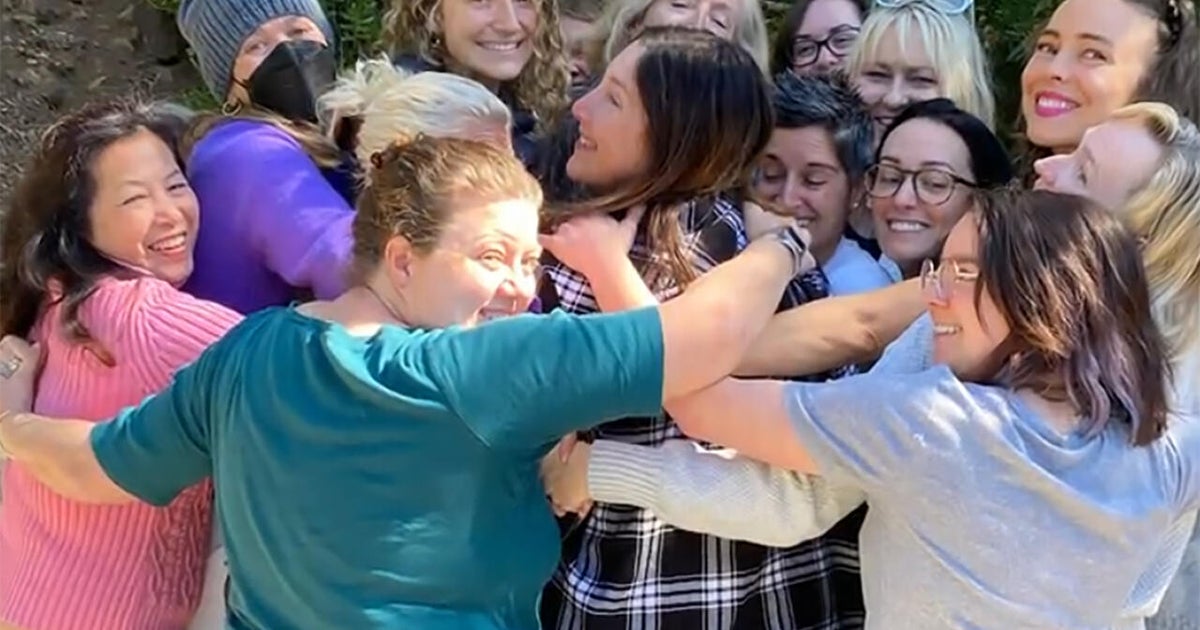
High atop a mountain in Northern California, something extraordinary happens when a particular group of women gather for the first time. They arrive as strangers, yet they share an unmistakable bond—they are “motherless daughters,” women who lost their mothers before reaching age 22. These women carry a unique burden: their life stories are forever divided into a stark “before” and “after,” marked by the absence of the person who brought them into the world. Whether their mothers passed from drawn-out illnesses like cancer or left suddenly and unexpectedly, these daughters navigate life without the compass that should have guided them through its most significant moments. Since 2016, Hope Edelman—the visionary behind these gatherings—has created a sacred space where more than 500 women have found solace at various locations across the country. At each retreat, Edelman observes something profound: “We say at every retreat, there may be 20 women who came to the retreat, but there’s 40 women in the room.” This isn’t just a poetic statement; it’s a recognition that the mothers, though physically absent, remain powerfully present in their daughters’ lives. These gatherings affirm an essential truth that grief often obscures—these weren’t just women who died; they were women who lived, and many of them lived with joy, passion, and love that still echoes through their daughters’ lives.
The Healing Power of Being Truly Seen
The retreats at places like Mount Madonna are carefully crafted experiences that blend introspection with connection. The schedule includes deep, meaningful conversations where women share the stories they’ve held close to their hearts, sometimes for decades. There’s yoga to help reconnect body and mind, shared meals that create the intimacy of family, and yes, plenty of tears—the kind that bring relief rather than shame. One woman’s simple confession, “I don’t remember her voice,” captures the heartbreak that time inflicts on memory. Yet despite the heavy emotions—some participants jokingly call it “sad camp”—there is abundant laughter too. Women share delightful stories: one recalled how her mother loved pranking coworkers, stealing their belongings and leaving ransom notes for them to find. These moments of levity aren’t inappropriate; they’re essential, honoring the fullness of who their mothers were. Hope Edelman understands why these gatherings matter so deeply: “Our mother was usually the person who saw us. So, many of us have not felt seen for a long time.” This simple observation cuts to the heart of what these women have lost—not just a parent, but their primary witness, the person who knew them most intimately and believed in them most fiercely. In this community, they rediscover what it feels like to be truly seen.
From Personal Tragedy to Global Community
Hope Edelman’s journey to creating this movement began with her own devastating loss. In 1981, when Hope was just 17 years old, her mother died at age 42. Her mother had been the emotional center of their family, and her absence left a void that no one else could fill. In the years that followed, young Hope searched desperately for stories that could help her make sense of her grief, but found precious few resources that spoke to her experience. This search eventually sparked an idea: if she felt this alone, surely others did too. She began conducting interviews and research, reaching out to other women who had lost their mothers young. What she discovered was remarkable—their stories shared striking similarities, patterns of grief and resilience that repeated across different backgrounds and circumstances. This research became “Motherless Daughters: The Legacy of Loss,” published in 1994, which immediately struck a chord with readers and became a bestseller. Over the decades since, Edelman has received thousands of letters from women who found in her book the first acknowledgment of their unique grief. Today, “Motherless Daughters” has evolved far beyond a single book into a thriving global support network and community. As one woman eloquently put it years ago, when motherless daughters find each other, there’s an immediate sense of connection: “I felt like the alien finding the mothership.”
Turning Points and Uncharted Territory
Women seek out the Motherless Daughters community at pivotal moments in their lives, times when the absence of a mother feels particularly acute. Some arrive facing a health crisis, suddenly aware of how much they need maternal wisdom and comfort. Others come when they’re navigating motherhood themselves, finally understanding the depth of the mother-child bond from the other side. Marriage, career challenges, and other life transitions all trigger a renewed longing for maternal guidance. Perhaps most poignantly, many women seek this community when they approach or surpass the age their mother was when she died. Jennie Zhao, who has attended three retreats, carries the particular pain of losing her mother to suicide when she was a child—something people had told her since she was little that she looked just like her mother. She had never met another person with a similar loss until finding this community. “The women in the Motherless Daughters community, they mirror back my own heart, my own goodness, my own compassion,” Zhao explains. Shaina’s story illustrates the complex emotions that arise at these life milestones. She was 14 when her mother died at 47, and now she’s turning 47 herself—a mother with teenagers and young adult children, navigating what she calls “uncharted territory.” Despite being a capable adult and parent, she confesses: “Deep down inside, that little girl is just there saying I just want to hug my mom. I just want my mom to tell me it’s going to be okay.” She articulates a distinction that cuts to the heart of early loss: if your mother dies when she’s old, you miss what you had; if she dies when she’s young, you miss what you never had—all the conversations, advice, and shared experiences that should have been yours.
The Science and Spirit of Healing Together
Angela Schellenberg, both a motherless daughter herself and a therapist who co-facilitates retreats, brings professional insight to understanding why these gatherings prove so transformative. She explains that losing a mother in youth is fundamentally traumatic: “It’s an attachment trauma. It’s a break in attachment, and that’s traumatic, because your brain is constantly looking for your mother, and she’s not there.” Our earliest attachment to our mother shapes our nervous system and our capacity to feel safe in the world. When that attachment is severed prematurely, it can leave lasting effects on how we regulate emotions and relate to others. But Schellenberg also explains why gathering in community provides such profound healing—it creates what psychologists call “co-regulation,” where nervous systems actually affect one another. She acknowledges it might sound a bit mystical: “I know that sounds a little woo. It does! But there’s something just about sitting in community, and that settles the nervous system.” This isn’t just emotional comfort; it’s a physiological shift that happens when we’re in the presence of others who truly understand our pain. What might surprise observers is the age range at these retreats—women in their 20s gather alongside daughters in their 80s. One older woman admitted, “I didn’t talk about my mom for at least 40 years.” Marcia Nowak, 81, beautifully captures the intergenerational healing that happens: “It’s beautiful, to have me and you as elders, and the young that can share their life experiences and be able to talk about it.” The younger women see a future where they’ve not just survived but thrived; the older women finally give voice to grief they’ve carried in silence for decades.
Carrying Our Mothers Forward With Joy
For Shaina, who went 30 years without meeting other women with similar stories, the retreats revealed something powerful—these grown women who share her sorrow also embody the best of what their mothers left behind. Looking around the room, she could see all those absent mothers living on through their daughters’ accomplishments, character, and resilience. “Being able to see all of those moms together, and then I would look at their living daughters and what they’ve all accomplished and who they are, and I connected them, and it was powerful.” This realization offers a way forward that doesn’t require choosing between grief and joy. Hope Edelman, who understands this balance after decades of living with her own loss, reminds us: “There will always be a tinge of sadness that pops up from time to time, because we wish our mom were there to witness our achievements, to help us through hard times. But we can celebrate her life in addition to grieving her absence. Both of those things can be true.” This is perhaps the greatest gift the Motherless Daughters community offers—permission to hold both sorrow and celebration, to acknowledge the ongoing ache of absence while also honoring the legacy of love and strength these mothers left behind. These women learn they don’t have to choose between moving forward and remembering, between building new lives and honoring old losses. Their mothers live on not just in memory but in the resilience, compassion, and courage their daughters demonstrate every day. In finding each other, these motherless daughters create a new kind of family, one bound not by blood but by shared understanding—a sisterhood of survival that their mothers would surely be proud of.