


Trump’s High-Stakes China Visit: Business Giants Join Presidential Delegation
A Power-Packed Delegation Heads to Beijing
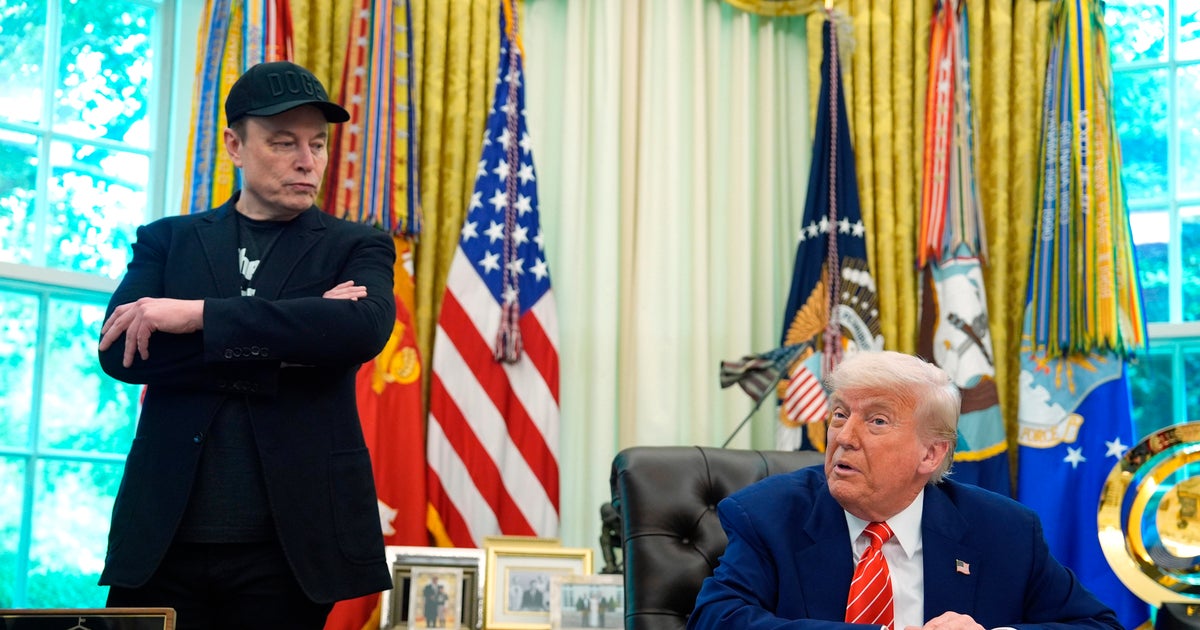
President Donald Trump is preparing for what could be one of the most significant diplomatic and economic meetings of his current term, traveling to Beijing this week to meet with Chinese President Xi Jinping. What makes this trip particularly noteworthy isn’t just the high-level diplomacy expected between the two superpowers, but the impressive roster of American business titans accompanying him. Leading the pack is Elon Musk, the billionaire entrepreneur and former Trump administration official, who joins a who’s-who list of corporate America’s most influential leaders. This isn’t your typical diplomatic mission – it’s a clear signal that economic interests are front and center in America’s relationship with China, and the business community is being given a seat at the table in shaping that relationship.
The delegation reads like a Forbes list come to life, including Apple’s Tim Cook, BlackRock’s Larry Fink, Blackstone’s Stephen Schwarzman, Boeing’s Kelly Ortberg, and Goldman Sachs’ David Solomon. Tech industry heavyweights Qualcomm’s Cristiano Amon, Meta’s Dina Powell McCormick, and Cisco’s Chuck Robbins will also be making the journey. Financial services leaders Jane Fraser from Citi, Michael Miebach from Mastercard, and Ryan McInerney from Visa round out a delegation that spans nearly every major sector of the American economy. From agricultural giant Cargill’s Brian Sikes to aerospace leader GE’s H. Lawrence Culp, the message is clear: American business has enormous stakes in maintaining and expanding its relationship with China, despite ongoing tensions and trade disputes that have characterized U.S.-China relations in recent years.
The Business Case for Diplomatic Engagement
The inclusion of these particular business leaders isn’t coincidental – nearly all of them represent companies with substantial operations, investments, or market interests in China. Apple manufactures most of its products there and counts China among its largest markets. BlackRock and Goldman Sachs have been expanding their financial services presence in the world’s second-largest economy. Boeing has historically relied on Chinese airlines as major customers for its aircraft. Qualcomm depends on Chinese manufacturers for much of its chip business. These aren’t just executives tagging along for a diplomatic photo opportunity; they’re stakeholders with billions of dollars riding on how the U.S.-China relationship evolves.
President Trump himself framed the visit in distinctly economic terms when speaking to reporters in the Oval Office on Monday. “I have a great relationship with President Xi,” Trump stated, emphasizing the business dimension of the bilateral relationship. “We’re doing a lot of business, but it’s smart business. We used to be taken advantage of for years with our previous presidents. And now we’re doing great with China. We make a lot of money with China.” This characterization reflects Trump’s long-standing approach to international relations – viewing diplomacy through an explicitly transactional lens where economic benefits and trade balances matter as much as, if not more than, traditional geopolitical considerations. For the business leaders in his delegation, this approach creates both opportunities and uncertainties, as corporate interests become more directly intertwined with diplomatic outcomes.
Iran Crisis Casts Shadow Over China Trip
The timing of this visit comes at a particularly turbulent moment in global affairs. President Trump had originally scheduled the China trip earlier but was forced to delay it due to the escalating conflict with Iran. That crisis continues to loom over international relations and has already begun affecting global markets, particularly oil prices and supply chains that many of the accompanying business leaders depend upon. On Monday, Trump didn’t mince words when discussing Iran’s response to a U.S. proposal aimed at ending the conflict, dismissing it as “unacceptable” and “garbage.” He also expressed deep frustration with the current ceasefire, describing it as “unbelievably weak” and “on life support,” suggesting that the fragile peace could collapse at any moment.
This Iran situation adds an additional layer of complexity to the China visit. Oil markets have been roiled by uncertainty over Iranian supply and potential disruptions to shipping in the Persian Gulf, affecting global energy prices and creating economic headwinds for businesses worldwide. The presence of energy and logistics-dependent companies in the delegation means these executives will be keenly interested in how U.S.-China cooperation might help stabilize markets or provide alternative supply chain routes if the Iran situation deteriorates further. China, as one of the world’s largest energy consumers and a significant importer of Middle Eastern oil, has its own interests in regional stability, potentially creating common ground for discussion between Trump and Xi beyond their bilateral trade relationship.
What’s on the Agenda
According to President Trump, economic and energy matters will dominate the agenda during his meetings with President Xi. While the White House hasn’t released detailed talking points, it’s reasonable to expect discussions will cover everything from trade imbalances and tariffs to technology transfer, intellectual property protection, and market access for American companies. The presence of tech leaders like Musk, Cook, and executives from Qualcomm and Cisco suggests that semiconductor supply chains, artificial intelligence development, and technology cooperation or competition will feature prominently. Financial services leaders likely hope to discuss further opening of Chinese markets to American banks and investment firms.
Energy security, particularly in light of the Iran crisis, will almost certainly be on the table. China’s Belt and Road Initiative, which has expanded Chinese infrastructure investment across Asia, Africa, and beyond, may also come up, especially regarding how American companies might participate or compete with these projects. The agricultural sector, represented by Cargill’s presence, will be watching for commitments on Chinese purchases of American farm products, an issue that has been contentious in past trade negotiations. For the payment processing companies Visa and Mastercard, gaining greater access to China’s enormous consumer market remains a long-sought goal that has faced regulatory barriers for years.
The Bigger Picture: Redefining Superpower Relations
This trip represents more than just a meeting between two leaders or a business development mission. It’s emblematic of how the United States is attempting to navigate its relationship with China – acknowledging both the competitive tensions between the two superpowers and the deep economic interdependence that makes outright confrontation potentially devastating for both sides. The optics of America’s top business leaders standing alongside their president in Beijing sends a message that despite political differences, strategic competition, and occasional harsh rhetoric, the economic relationship remains vitally important and worth protecting.
For China, hosting this delegation offers an opportunity to demonstrate its continued importance to American prosperity and to perhaps leverage economic relationships to moderate U.S. positions on contentious issues like Taiwan, the South China Sea, or human rights concerns. For the business leaders making the trip, it’s a chance to directly participate in shaping policies that will affect their companies’ futures, though it also puts them in the sometimes uncomfortable position of being seen as intermediaries between governments with genuinely conflicting interests. As the global economy faces uncertainty from conflicts, supply chain disruptions, and shifting alliances, this meeting in Beijing could set the tone for U.S.-China relations for years to come. Whether it results in concrete agreements or simply maintains the dialogue between the world’s two largest economies, the participation of America’s business elite signals that economic pragmatism, for now at least, remains a powerful force in international relations, even in an age of growing geopolitical rivalry.