

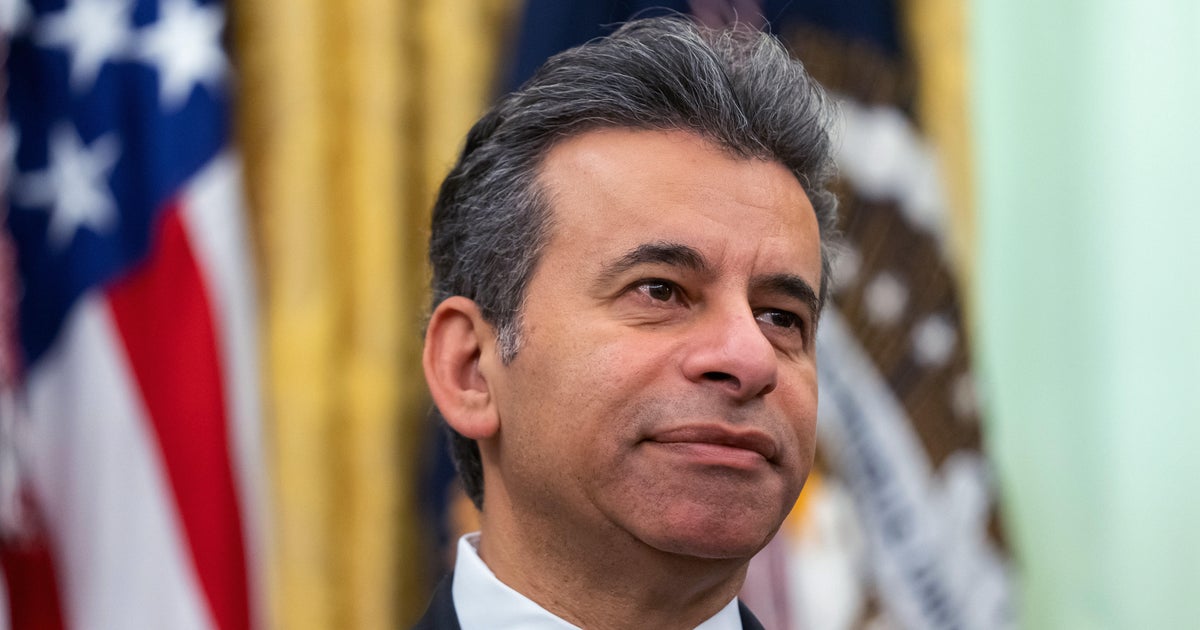

President Trump Plans to Remove FDA Commissioner Marty Makary Amid Growing Tensions
The Uncertain Future of the FDA’s Leadership
In a development that has sent ripples through Washington’s health policy circles, President Trump has reportedly given his approval to remove Dr. Marty Makary from his position as Commissioner of the Food and Drug Administration. This news, which emerged from two sources familiar with the matter, comes just months after Makary’s confirmation to one of the most critical positions in American public health. When pressed by reporters on Friday about the possibility of Makary’s dismissal, the president chose to sidestep the questions entirely, leaving both the public and those within the administration guessing about what comes next. The situation remains fluid, with the exact timing of any potential termination still unclear, and sources noting that the president maintains the option to reverse course on this decision. What makes this situation particularly unusual is that Makary himself has not been formally notified of his impending dismissal, according to a senior official within the Department of Health and Human Services, adding another layer of uncertainty to an already complicated situation.
A Missing Face at the Table
The most visible sign that something might be amiss came on Monday when the president gathered top federal public health officials in the Oval Office for what was meant to be a celebration of the administration’s achievements in maternal health. Notably absent from this high-profile gathering was Commissioner Makary, whose presence would typically be expected at such an important health policy event. This conspicuous absence did not go unnoticed by observers and fueled speculation about his standing within the administration. Despite the swirling rumors about his future, Makary is still scheduled to fulfill his professional obligations, including a planned appearance before the Senate Appropriations Committee on Wednesday. A spokesperson for the committee confirmed on Monday that, as far as they know, the commissioner is still expected to testify, suggesting that at least officially, it remains business as usual, even as behind-the-scenes discussions about his future continue.
The Man at the Center of the Storm
Dr. Marty Makary’s journey to the FDA’s top position represents a remarkable story of professional achievement. A British-American surgeon with an impressive medical and academic pedigree, Makary was confirmed to lead the FDA in March 2025, taking on one of the most challenging and consequential roles in public health administration. The FDA oversees the safety and efficacy of foods, drugs, medical devices, and other products that affect the daily lives of every American, making the commissioner’s position one of tremendous responsibility and influence. Makary came to the role with credentials that suggested he would be a strong leader capable of navigating the complex political and scientific challenges inherent in the position. However, his tenure, which has lasted only a matter of months, has apparently been marked by tensions that have now culminated in reports of his imminent departure. Despite these challenges, Makary has maintained support within the Department of Health and Human Services, according to a senior official, suggesting that his difficulties may stem more from conflicts with White House priorities than from any lack of competence or respect among his colleagues in the health policy community.
The Vaping Controversy That Changed Everything
The catalyst for Makary’s reported troubles appears to be a significant policy disagreement over electronic cigarettes, specifically fruit-flavored vaping products. According to reporting from The Wall Street Journal, which first broke the story about the president’s decision to remove Makary, the FDA approved flavored e-cigarettes on May 6, but this approval came only after considerable pressure from President Trump himself. Prior to this decision, Makary had reportedly been resisting the president’s push to approve these fruit-flavored vaping products, standing firm on his position despite pressure from above. This resistance apparently did not sit well with the president and his advisers, who viewed the commissioner’s stance as an obstacle to their agenda. Presidential advisers reportedly told Trump that Makary was actively blocking the administration’s vaping policy goals and characterized him as a “problem” for the administration. This characterization of a Senate-confirmed official as problematic simply for exercising his professional judgment on a public health matter highlights the complex intersection of politics, policy, and science that often defines Washington’s approach to health regulation. The approval of flavored e-cigarettes remains controversial in public health circles, with advocates arguing that such products help adult smokers transition away from traditional cigarettes, while critics contend that flavored products are particularly attractive to young people and could create a new generation of nicotine addicts.
The Broader Pattern of Conflict and Tension
The reported conflict over vaping policy appears to be just one manifestation of broader tensions over the FDA’s agenda and direction during Makary’s brief tenure. While specific details about other areas of disagreement have not been fully disclosed, the pattern suggests a fundamental disconnect between the commissioner’s vision for the agency and the priorities being communicated from the White House. This type of conflict is not entirely unprecedented in American political history, as presidents of both parties have sometimes found themselves at odds with agency heads when scientific or medical judgments clash with political considerations or campaign promises. However, the speed with which this relationship appears to have deteriorated is notable, given that Makary took office only in March. The FDA’s role in American life is vast and touches on issues ranging from drug approvals and medical device safety to food labeling and tobacco regulation, creating numerous opportunities for disagreements to arise between those prioritizing public health concerns and those focused on other considerations, whether they be economic, political, or ideological. The challenge for any FDA commissioner is to maintain the agency’s scientific integrity and credibility while also working constructively with the administration that appointed them, a balancing act that Makary appears to have struggled to maintain.
What This Means for Public Health and Government
The potential removal of Commissioner Makary raises important questions about the independence of scientific and medical decision-making within the federal government and the role that political considerations should play in public health policy. The FDA’s credibility depends on the public’s confidence that its decisions are based on rigorous scientific evidence and a genuine commitment to protecting American health, rather than on political expediency or pressure from above. If commissioners are removed for resisting pressure to make decisions that conflict with their professional judgment, it could undermine that credibility and make it more difficult for the agency to fulfill its mission effectively. At the same time, elected officials and their appointees do have the authority to set policy priorities and expect those working in the executive branch to implement the administration’s agenda. Finding the right balance between these sometimes competing values is one of the ongoing challenges of American democracy. As this situation continues to unfold, with Makary still officially in his position and scheduled to testify before Congress, the ultimate outcome remains uncertain. Whether the president will follow through on the reported plan to fire him, whether Makary might choose to resign on his own terms, or whether some accommodation might be reached that allows him to continue serving are all possibilities that remain on the table. What is clear is that this episode has once again highlighted the tensions that can arise when political power meets professional expertise in the complex world of federal health policy, and the resolution of this particular case may have implications that extend well beyond one person’s employment status.