


Pakistan’s Controversial Role: Sheltering Iranian Aircraft Amid Regional Tensions
A Complex Web of Diplomatic Maneuvering and Military Strategy
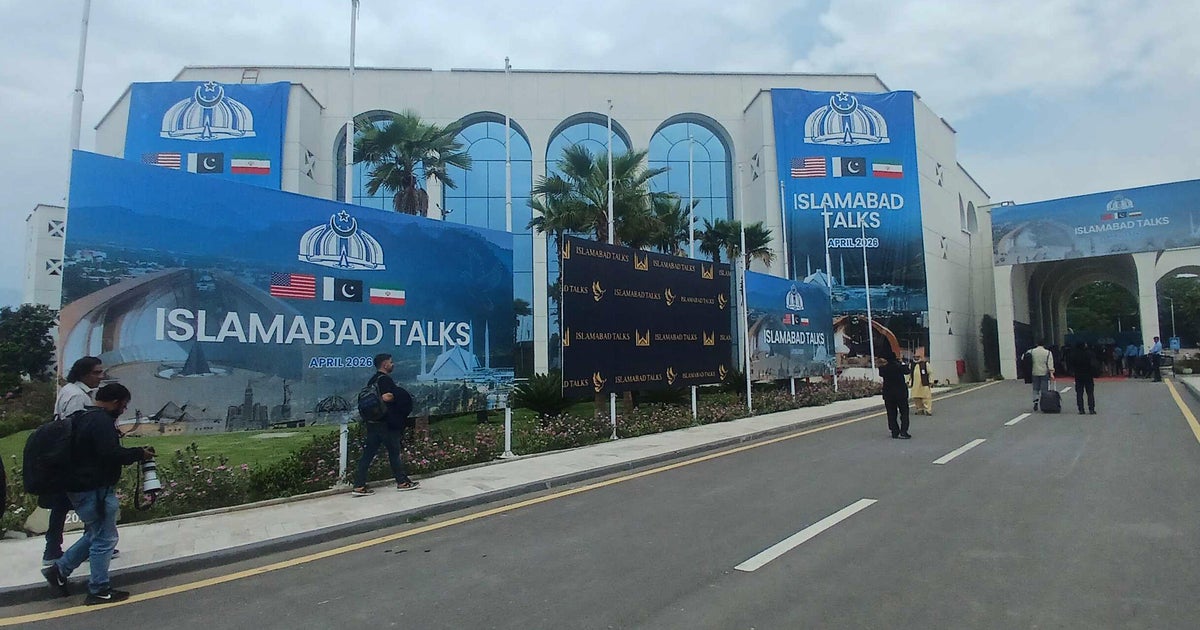
In a surprising revelation that highlights the intricate and often contradictory nature of international relations in South Asia, Pakistan has found itself at the center of controversy over allegations that it provided safe harbor to Iranian military aircraft while simultaneously positioning itself as a neutral mediator between Tehran and Washington. According to U.S. officials who spoke to CBS News on condition of anonymity, Pakistan quietly allowed Iranian military planes to park at its airfields in what appears to be an effort to protect these valuable assets from potential American airstrikes during the escalating conflict. This dual role – publicly acting as a diplomatic bridge while privately offering sanctuary to Iranian military hardware – reflects the complex balancing act that Pakistan has been attempting to maintain in an increasingly volatile regional landscape. The allegations, which Pakistani officials have denied, emerged days after President Trump announced a ceasefire with Iran in early April, raising questions about the true nature of Pakistan’s involvement and its commitment to neutrality in the ongoing crisis.
The Evidence of Iranian Military Movements
The specific details provided by U.S. officials paint a concerning picture of deliberate military asset protection. According to their accounts, Tehran sent multiple aircraft to Pakistan Air Force Base Nur Khan, a strategically significant military installation located just outside Rawalpindi, a major garrison city in Pakistan. Among the military hardware reportedly relocated was an Iranian Air Force RC-130, a reconnaissance and intelligence-gathering variant of the renowned Lockheed C-130 Hercules tactical transport aircraft – a highly valuable asset for any military operation requiring surveillance and intelligence capabilities. Additionally, Iran apparently sent civilian aircraft to neighboring Afghanistan, though U.S. officials could not confirm whether military planes were disguised among these civilian flights. An Afghan civil aviation officer corroborated part of this narrative, revealing that an Iranian civilian aircraft belonging to Mahan Air had landed in Kabul shortly before hostilities began and remained grounded there after Iranian airspace was closed. When Pakistan began conducting airstrikes on Kabul in March during a period of heightened tensions with the Taliban-led government – stemming from allegations that Afghan Taliban was harboring members of the jihadist militant group Tehrik-e-Taliban Pakistan – the Taliban’s civil aviation authorities decided to relocate the Iranian aircraft to Herat Airport near the Iranian border for safety reasons, protecting it from possible destruction during Pakistani bombing raids on Kabul Airport.
Official Denials and Contradictory Accounts
The allegations have been met with firm denials from both Pakistani and Afghan officials, though their responses reveal interesting nuances. A senior Pakistani official rejected the claims involving Nur Khan Air Base, arguing that the facility’s location “right in the heart of the city” would make it impossible to conceal “a large fleet of aircraft” from public view – a practical argument that relies on the visibility of such operations to civilians. However, this response doesn’t entirely address whether a smaller number of aircraft might have been accommodated or whether other, less visible facilities might have been used. Meanwhile, Taliban chief spokesman Zabihullah Mujahid categorically denied the presence of any Iranian airplanes in Afghanistan, stating bluntly, “No, that’s not true and Iran doesn’t need to do that.” The Afghan aviation officer’s account, however, suggested that at least one Iranian civilian aircraft was present in the country, creating a discrepancy in the official narrative. These contradictions and denials are not unusual in the shadowy world of international military movements and strategic positioning, where plausible deniability often serves important diplomatic purposes. What remains clear is that the movement of these aircraft, whether military or civilian, represents a calculated effort by Iran to protect valuable aviation assets during a period of extreme vulnerability.
Pakistan’s Precarious Balancing Act Between Global Powers
Understanding Pakistan’s alleged actions requires examining its complex web of international relationships and dependencies. Pakistan’s reliance on China for military assistance has risen dramatically over the past decade, with a Stockholm International Peace Research Institute study revealing that China supplied approximately 80% of Pakistan’s major arms between 2020 and 2024. Beyond military hardware, Islamabad maintains close economic ties with Beijing, making China an indispensable partner that Pakistan cannot afford to alienate. This creates a particularly delicate situation because China has emerged as Iran’s most powerful international backer, having deepened military and economic cooperation with Tehran in recent years. China has publicly celebrated Pakistan’s role in facilitating indirect communications between Tehran and Washington, further complicating Pakistan’s position. Islamabad has attempted to navigate all sides of this crisis – presenting itself to Washington as a stabilizing intermediary capable of bridging the communication gap with Iran, while simultaneously avoiding steps that could alienate Tehran or, more importantly, China. This three-way balancing act represents an extraordinarily difficult diplomatic challenge, as Pakistan tries to maintain its strategic relationship with the United States while not jeopardizing its crucial partnerships with China and Iran. The alleged provision of safe haven for Iranian aircraft, if true, would represent Pakistan prioritizing its relationships with China and Iran over complete transparency with Washington – a choice that could have significant consequences for its relationship with the United States.
The Fragile Ceasefire and Iran’s Demands
The broader context of these aircraft movements involves a ceasefire that appears increasingly fragile and a diplomatic process that seems stalled. Iran’s latest proposal to end the conflict included sweeping demands that reflect Tehran’s maximalist negotiating position: war reparations from the United States, recognition of Iranian sovereignty over the strategically vital Strait of Hormuz, and the complete removal of American sanctions that have crippled Iran’s economy for years. These conditions were disclosed through Iran’s state-run broadcaster, the Islamic Republic of Iran Broadcasting, a day after President Trump publicly rejected Tehran’s counteroffer as “TOTALLY UNACCEPTABLE” – though he did not specify which particular elements of Iran’s proposal prompted such a strong rejection. This diplomatic impasse has further strained what increasingly appears to be a ceasefire in name only, as small-scale clashes continue to occur despite the supposed pause in major hostilities. The United Arab Emirates reported Sunday that Iranian drones had again targeted its territory following several strikes earlier in the week, demonstrating that Iran continues to project military power in the region despite the ceasefire. Additionally, CBS News reported that three American Navy destroyers transiting the Strait of Hormuz came under attack last week, prompting U.S. strikes on two Iranian ports adjacent to the strait – incidents that underscore just how tenuous the current situation remains.
Regional Implications and the Road Ahead
As President Trump prepares to travel to Beijing for talks with Chinese President Xi Jinping, the conflict with Iran is expected to feature prominently in discussions alongside longstanding disputes over trade and Taiwan. China’s position as a key backer of both Pakistan and Iran gives Beijing significant influence over the trajectory of this crisis, and President Xi’s willingness to apply pressure on Tehran could prove crucial to achieving a lasting resolution. However, China’s own strategic interests in the region – including access to Iranian oil and the weakening of American influence in the Middle East – may limit Beijing’s willingness to act as a genuinely neutral mediator. The allegations about Pakistani airfields sheltering Iranian military aircraft add another layer of complexity to an already convoluted situation, potentially undermining Pakistan’s credibility as an honest broker between Washington and Tehran. If confirmed, these actions would suggest that Pakistan’s diplomatic efforts are less about genuine neutrality and more about managing its own competing interests and relationships. Moving forward, the international community will be watching closely to see whether the current ceasefire can be transformed into a genuine de-escalation and eventually a lasting peace agreement, or whether the continuing small-scale clashes and fundamental disagreements over terms will lead to a resumption of full-scale conflict. The role that Pakistan, China, and other regional players choose to adopt in the coming weeks and months will be crucial in determining which path this crisis ultimately follows.