
U.S. Issues Urgent Evacuation Warning as Middle East Conflict Escalates
Widespread Travel Advisory Affects Over One Million Americans
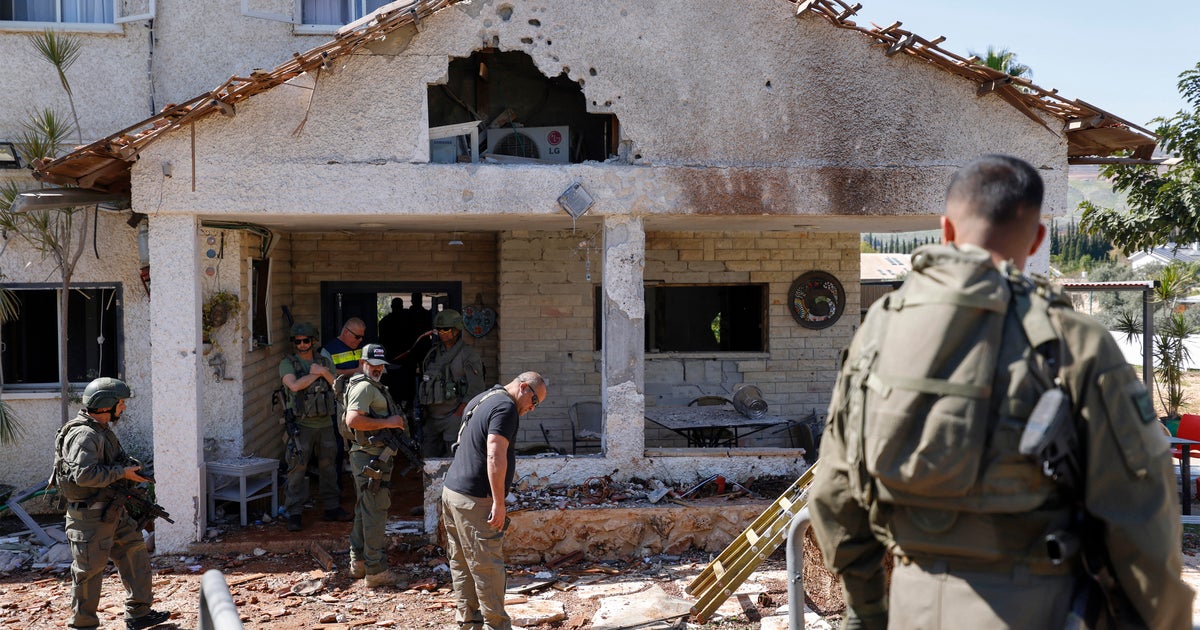
In an unprecedented move that underscores the severity of the current crisis, the U.S. State Department has issued urgent travel warnings for Americans across 14 countries in the Middle East. Late Monday evening, American citizens were told to “depart now” from Bahrain, Egypt, Iran, Iraq, Israel, the West Bank, Gaza, Jordan, Kuwait, Lebanon, Oman, Qatar, Saudi Arabia, Syria, the United Arab Emirates, and Yemen. The advisory emphasized using “available commercial transportation, due to serious safety risks.” According to sources, more than a million Americans are currently believed to be in the affected region, making this one of the largest evacuation advisories in recent memory. The State Department has gone beyond advising ordinary citizens, also ordering all non-emergency U.S. government personnel and their families to leave Bahrain, Iraq, Jordan, Qatar, Kuwait, and the United Arab Emirates. This sweeping directive reflects the administration’s deep concern about the rapidly deteriorating security situation across the Middle East as Iranian proxies become increasingly involved in the conflict and Iran continues its retaliatory strikes against U.S. and allied targets.
Direct Attacks on U.S. Diplomatic Facilities Raise Alarm
The urgency of the evacuation orders became starkly clear when U.S. embassies themselves became targets of attack. The U.S. Embassy in Saudi Arabia experienced a drone strike Monday, with the Saudi Ministry of Defense confirming that two drones hit the facility, causing a small fire and limited damage. In response, the embassy immediately instructed American citizens in Riyadh and the important commercial centers of Dhahran and Jeddah to shelter in place, while announcing closure on Tuesday. Similarly, the U.S. Embassy in Kuwait announced it would remain closed until further notice “due to ongoing regional tensions,” canceling all consular appointments. This closure came just one day after smoke was observed rising from the embassy compound following Iranian attacks on Kuwait. Several other U.S. embassies throughout the region have also closed their doors as a precautionary measure. These direct attacks on American diplomatic facilities represent a significant escalation in tensions and demonstrate the very real dangers facing Americans throughout the Middle East. The targeting of embassies, which are traditionally considered protected under international law, signals that the conflict has entered a particularly dangerous phase where normal diplomatic protections may no longer be respected.
Military Operations and Mounting Casualties
The current crisis stems from coordinated U.S. and Israeli military operations against Iran that began over the weekend. President Trump described the offensive on Monday as the “last best chance” to address what he characterized as the existential threat posed by Iran’s ballistic missile capabilities and nuclear program. In a detailed statement, the President outlined his rationale for ordering the strikes, which have targeted over 1,000 locations in Iran during the opening days of what could become a weeks-long military campaign. The stated objectives are ambitious and far-reaching: destroying Iran’s missile infrastructure, eliminating Iran’s naval capabilities, and preventing the country from developing nuclear weapons. The human cost of this conflict is already mounting on all sides. Six U.S. service members have been killed in action, with an additional 18 suffering serious wounds. The Iranian Red Crescent has reported that at least 787 people have been killed within Iran itself, though independent verification of casualty figures remains difficult. These numbers are expected to rise as the conflict continues, and the involvement of Iranian proxies throughout the region threatens to spread the fighting to multiple fronts, potentially drawing in additional countries and dramatically increasing the death toll.
Americans Scrambling to Find Exit Routes
As the security situation deteriorates rapidly, Americans and other travelers who find themselves in the Middle East are desperately trying to arrange departures from the region. The challenge is compounded by widespread airport and airspace closures that have stranded many people with limited options for escape. U.S. Ambassador to Israel Mike Huckabee addressed the crisis overnight, acknowledging that “we are getting a lot of requests regarding evacuating from Israel from American citizens who are currently in Israel or who have family here.” In a lengthy social media post, Ambassador Huckabee candidly outlined the difficult reality facing Americans seeking to leave, noting that “there are VERY LIMITED options” available. He made it clear that the U.S. Embassy was not currently in a position to organize evacuations or provide direct assistance to Americans trying to leave the country. This represents a significant departure from previous crises where the U.S. government has arranged charter flights or military evacuations for stranded citizens. The ambassador’s statement suggests that the scope and scale of this crisis may have overwhelmed the government’s ability to organize traditional evacuation operations, leaving Americans largely on their own to find commercial transportation options that are becoming increasingly scarce.
Limited Government Assistance Available
While the U.S. government is not currently organizing direct evacuations, the State Department has established contact numbers for Americans who need assistance arranging travel. Citizens can call +1-202-501-4444 from abroad or +1-888-407-4747 from the U.S. and Canada to reach government officials who may be able to provide guidance, though the extent of practical help available remains unclear. The reliance on these phone lines rather than organized evacuation efforts highlights the challenge facing U.S. officials in managing such a widespread crisis across so many countries simultaneously. The situation is complicated by the fact that commercial aviation options are rapidly disappearing as airlines suspend flights to the region and airspace closures make routing increasingly difficult. Many travelers report being unable to find available seats on the few remaining flights out of the region, with ticket prices skyrocketing for those routes that remain operational. Credit card companies and travel insurance providers are being overwhelmed with claims and inquiries from stranded Americans. Family members in the United States are frantically trying to make arrangements to help their loved ones escape the conflict zone, often with limited success and facing enormous expenses.
Uncertain Future as Conflict Expands
The current crisis represents a dramatic escalation in U.S.-Iranian tensions that have simmered for decades but now threaten to engulf the entire Middle East in open warfare. President Trump’s characterization of the military operation as potentially lasting weeks suggests that Americans should not expect a quick resolution to the security situation. The involvement of Iranian proxies across multiple countries creates the risk of the conflict spreading beyond direct U.S.-Iranian confrontation to include various militia groups, non-state actors, and potentially additional nation-states. The closure of U.S. embassies removes important sources of assistance and information for Americans in the region, while also serving as a symbolic acknowledgment of how dangerous the situation has become. For the more than one million Americans believed to be in the affected countries, the coming days and weeks will be filled with uncertainty and potential danger. Some are long-term residents with jobs, homes, and established lives in the Middle East who face wrenching decisions about whether to abandon everything they’ve built. Others are tourists or short-term visitors who simply found themselves in the wrong place at the wrong time. All share the common challenge of navigating an increasingly chaotic and dangerous security environment with limited government support. As this conflict continues to develop, the international community watches with concern, hoping for de-escalation while preparing for the possibility that the situation may deteriorate further before any resolution is found.