
Federal Court Restricts Abortion Pill Access Through Mail-Order Ban
A Significant Shift in Reproductive Healthcare Access
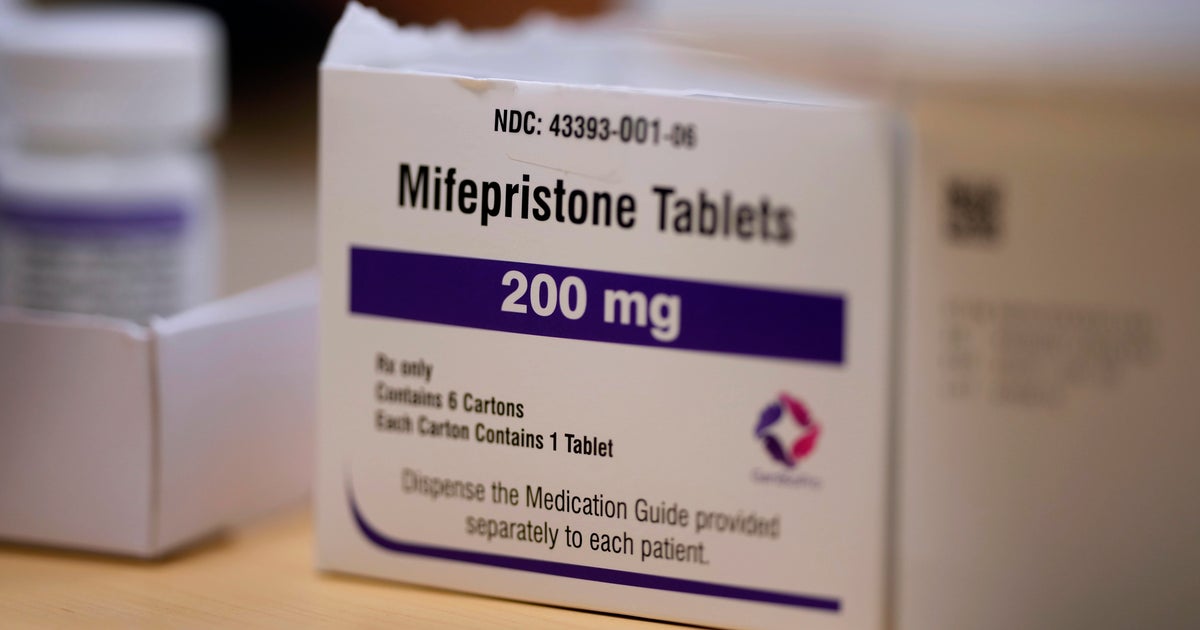
In a decision that could dramatically reshape abortion access across the United States, a federal appeals court has imposed new restrictions on mifepristone, one of the two medications commonly used in medication abortions. The ruling from a three-judge panel of the 5th U.S. Circuit Court of Appeals, based in New Orleans, blocks the mailing of mifepristone prescriptions and requires that the abortion pill be distributed exclusively through in-person clinic visits. This represents a major rollback of regulations that had been expanded during the COVID-19 pandemic to allow telemedicine consultations and mail delivery of the medication. The decision specifically targets regulations that Louisiana officials argue undermine the state’s abortion ban, with the court’s ruling explicitly stating that FDA actions were canceling Louisiana’s prohibition on medical abortions and contradicting the state’s policy declaring that “every unborn child is human being from the moment of conception and is, therefore, a legal person.” This ruling marks a significant departure from the long-standing legal tradition of courts deferring to the Food and Drug Administration’s scientific expertise and judgment regarding drug safety and appropriate regulatory frameworks.
The FDA’s Evolving Position and Scientific Basis
The controversy surrounding mifepristone access has intensified as the FDA under President Trump has announced a new review of the medication’s safety profile, responding to direct presidential directives. The appeals court judges noted in their decision that FDA officials couldn’t provide a timeline for when this safety review might be completed and acknowledged that data collection was still ongoing. This uncertainty has created additional legal grounds for those seeking to restrict access to the medication. Mifepristone was originally approved by the FDA in 2000 after rigorous scientific evaluation demonstrated it as a safe and effective method for ending early pregnancies when used in combination with a second medication called misoprostol. In its initial approval, the FDA did impose stringent restrictions due to rare cases of excessive bleeding, limiting prescribing authority to specially certified physicians and requiring in-person appointments where patients would receive the medication directly. However, these requirements were significantly relaxed during the COVID-19 pandemic years. At that time, FDA officials under the Biden administration explained that more than two decades of monitoring mifepristone use, combined with comprehensive reviews of dozens of studies involving thousands of women, had provided clear evidence that women could safely use the medication without direct medical supervision.
Louisiana’s Legal Challenge and State-Level Implications
The legal challenge originated with Louisiana’s attorney general and a woman who claimed she was coerced into taking abortion pills, both of whom petitioned the court to roll back FDA regulations to the more restrictive pre-pandemic standards. Their argument centered on the contention that allowing telemedicine prescriptions and mail delivery of mifepristone effectively nullified Louisiana’s state-level abortion ban. A Louisiana-based federal judge had previously ruled last month that these FDA allowances did indeed undermine the state’s abortion prohibition, though that judge initially stopped short of immediately undoing the regulations. The appeals court’s decision goes further by actually implementing the restrictions. The judges specifically noted that current FDA regulations create what they termed “an effective way for an out-of-state prescriber to place the drug in the hands of Louisianians in defiance of Louisiana law.” This reasoning reflects the complex legal tensions that have emerged since the Supreme Court’s 2022 decision overturning Roe v. Wade, which returned abortion regulation authority to individual states. The ruling highlights how abortion access has become a battleground between federal regulatory authority and state-level restrictions, with medications that can be prescribed remotely and delivered by mail presenting particular challenges to state-level enforcement of abortion bans.
The Rise of Telemedicine Abortion and Its Vital Role
Since the Supreme Court’s landmark 2022 Dobbs decision that overturned Roe v. Wade and permitted states to enforce abortion bans, mail-order prescriptions have emerged as one of the primary methods through which abortion services are provided in the United States—including in states where legal bans are in effect. This shift has been particularly significant for people living in abortion-restricted states who seek care from providers in states with more permissive laws. The convenience and privacy of telemedicine abortion services have made them especially valuable for specific populations facing unique barriers to healthcare access. Civil liberties advocates have emphasized that this method of care is particularly crucial for people living in rural areas where healthcare facilities are scarce, individuals experiencing intimate partner violence who may face obstacles in leaving home for medical appointments, and people with disabilities for whom in-person clinic visits present significant logistical challenges. Julia Kaye, a lawyer with the American Civil Liberties Union, strongly criticized Friday’s ruling, stating that “Louisiana’s legal attack on mifepristone shamelessly packaged lies and propaganda as an excuse to restrict abortion—and the Fifth Circuit rubber-stamped it.” She warned that for countless individuals, especially those in the vulnerable populations mentioned, “losing a telemedicine option will mean losing access to this vital medication altogether.”
Political and Scientific Controversy Surrounding the Decision
The scientific basis for the court’s decision has become a major point of contention among reproductive rights advocates and medical professionals. Critics of the ruling argue that Louisiana constructed its legal case on what they characterize as “debunked, junk science,” and they emphasize that mifepristone’s safety profile has never legitimately been in question within the medical community. Mini Timmaraju, President and CEO of Reproductive Freedom for All, issued a forceful statement characterizing Friday’s ruling as bringing the country “one step closer to a national abortion ban.” Timmaraju elaborated that “Louisiana built this case on debunked, junk science,” asserting that “the safety of mifepristone has never actually been in question.” The organization has pledged to continue fighting as the case moves toward what many legal observers view as an inevitable appeal to the U.S. Supreme Court, with Timmaraju declaring, “we will fight until every person has access to the care they need.” This controversy reflects broader debates about the role of scientific evidence in abortion policy and the extent to which courts should defer to medical expertise versus state policy preferences on contentious social issues.
Looking Ahead: Supreme Court Implications and Future Access
Friday’s appeals court decision sets the stage for what is widely expected to be another Supreme Court battle over abortion access, though the outcome remains uncertain given the court’s complex recent history with mifepristone cases. The conservative-majority Supreme Court overturned abortion as a constitutionally protected nationwide right in its 2022 Dobbs decision, fundamentally reshaping the legal landscape of reproductive healthcare in America. However, just two years later in 2024, the same court unanimously preserved access to mifepristone in a decision that surprised many observers. That ruling sidestepped the substantive questions about mifepristone’s safety and the appropriateness of FDA regulations, instead disposing of the case on procedural grounds by determining that the anti-abortion doctors who brought the lawsuit lacked legal standing to sue. This technical dismissal left the core issues unresolved, creating an opening for new challenges brought by plaintiffs who could establish proper standing—exactly what Louisiana has attempted to do with its current case. As this new challenge works its way through the appeals process toward the Supreme Court, the stakes extend far beyond mifepristone access alone. The case raises fundamental questions about the balance between federal regulatory authority and state sovereignty, the role of scientific expertise in judicial decision-making, and whether medication that can cross state lines will ultimately undermine state-level abortion restrictions. For millions of Americans, particularly those in states with abortion bans and those facing barriers to in-person medical care, the Supreme Court’s eventual decision on this matter could determine whether they retain practical access to abortion services regardless of their state’s legal position on the procedure.