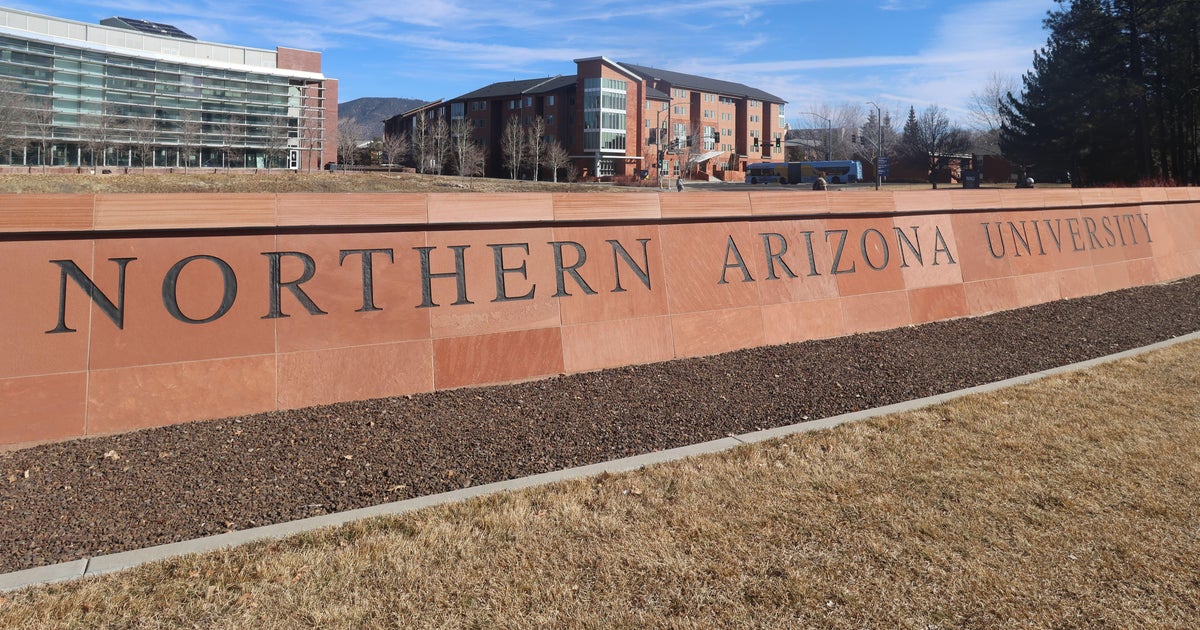

Tragic Death of College Student Highlights Dangers of Fraternity Hazing
The Fatal Night That Shook Northern Arizona University
The college experience is supposed to be a time of growth, learning, and forming lifelong friendships. For 18-year-old Colin Daniel Martinez, however, his journey at Northern Arizona University came to a devastating and premature end on January 31st. What should have been an exciting time as he sought membership in the Delta Tau Delta fraternity turned into an unthinkable tragedy that has left a family grieving, a campus in shock, and serious questions being raised about the culture of hazing in Greek life organizations across the country. According to the autopsy report released on Monday, Colin died from alcohol poisoning after consuming a dangerous amount of vodka at a fraternity house party. When first responders arrived at the scene, they found bystanders already attempting CPR on the unresponsive freshman. Despite the continued efforts of police officers and paramedics who rushed to save his life, Colin was pronounced dead at the scene. His blood-alcohol level was measured at an astonishing 0.425% — more than five times Arizona’s legal limit for driving and well into the range that medical experts consider potentially fatal. This wasn’t a case of a young person making a poor choice on their own; this was the result of what authorities are investigating as a structured hazing ritual that went horribly wrong.
The Hazing Ritual Behind the Tragedy
Court documents released following Colin’s death paint a disturbing picture of the events that led to his fatal alcohol consumption. According to these records, Colin was one of four prospective members who participated in what can only be described as a dangerous initiation ritual. The four candidates were given two bottles of vodka with the explicit purpose of consuming enough alcohol to make them vomit. While some witnesses later claimed that the vodka might have been diluted with water, the tragic outcome clearly demonstrates that whatever was in those bottles was more than enough to prove fatal. This type of forced alcohol consumption is exactly what anti-hazing advocates have been warning about for decades. The practice treats the human body as if it can withstand any amount of abuse in the name of “brotherhood” or “tradition,” when in reality, alcohol poisoning can and does kill. What makes this situation even more heartbreaking is the evidence suggesting that people present that night recognized something was seriously wrong but may not have taken appropriate action soon enough. Witnesses reported that throughout the night, they checked on Colin multiple times, adjusting his sleeping position, checking his pulse and breathing, and even looking up symptoms of alcohol poisoning online. These actions show awareness that he was in potential danger, yet the decision to call for emergency medical help apparently came too late, if the symptoms were severe enough to warrant such concern.
Criminal Charges and Accountability
In the wake of Colin Martinez’s death, three fraternity leaders have found themselves facing serious legal consequences for their alleged roles in the events of that night. Carter Eslick, Ryan Creech, and Riley Cass — all 20 years old at the time of the incident — held leadership positions within the Delta Tau Delta chapter. Eslick served as the chapter’s new member educator, the person specifically responsible for overseeing the pledge process; Creech was vice president; and Cass was treasurer. All three were arrested on suspicion of hazing, and the Coconino County Attorney’s Office announced that it is carefully reviewing the case to determine what formal charges, if any, are appropriate. The fact that these were not random partygoers but elected leaders of the organization adds another layer of responsibility to the situation. These young men held positions of trust and authority within the fraternity structure, and with those positions came the responsibility to ensure the safety of prospective members. The charges they face reflect a growing recognition in the legal system that hazing is not harmless fun or tradition — it’s a dangerous practice that can have criminal consequences. While the three men facing charges are themselves quite young, barely older than the victim, this case serves as a sobering reminder that actions have consequences, and that traditional practices need to be questioned when they put lives at risk.
Institutional Response and Policy Questions
Following Colin’s death, both Northern Arizona University and the national Delta Tau Delta organization took swift action, though questions remain about whether current policies and oversight are adequate to prevent such tragedies. The university immediately suspended the local chapter of Delta Tau Delta, and the national fraternity organization subsequently voted to permanently close the NAU chapter. In a statement released after the incident, Northern Arizona University expressed that the school was “mourning the tragic death of a student” and committed to fully supporting the police investigation. The university was emphatic in its statement: “We want to be clear: The safety and well-being of our students remain our highest priorities. Violence, hazing or any other behavior that endangers others has no place at NAU.” The statement went on to highlight that the university has what it describes as “robust hazing prevention training and requirements” and maintains high standards for conduct among all university-associated organizations and individual students. However, the fact that this tragedy occurred despite these existing policies raises difficult questions about implementation and enforcement. Delta Tau Delta International also responded with a strong statement condemning hazing, telling CBS affiliate KPHO-TV that “our position on hazing is clear: it is the antithesis of brotherhood and a violation of the values of Delta Tau Delta.” The national organization emphasized that it has maintained strong anti-hazing policies since its founding and “vigorously supports the implementation of anti-hazing legislation” both in Arizona and at the federal level. While these statements demonstrate institutional commitment to addressing hazing, critics might argue that stronger oversight and more serious consequences implemented before tragedies occur would be more effective than responses after the fact.
The Broader Context of Hazing in American College Culture
Colin Martinez’s death is far from an isolated incident in the troubling history of hazing-related tragedies on American college campuses. Every year, students across the country are subjected to dangerous initiation rituals, with varying degrees of harm resulting. According to researchers who study hazing, more than half of college students involved in clubs, teams, and organizations experience hazing, and alcohol consumption is involved in many of these incidents. The persistence of hazing despite decades of awareness campaigns, policy implementations, and even criminal prosecutions suggests a deeply embedded cultural problem within many Greek life organizations and other college groups. The desire to belong, to be accepted into a brotherhood or sisterhood, can make young people vulnerable to peer pressure and willing to endure dangerous situations they might otherwise avoid. Meanwhile, existing members may feel bound by tradition or believe that because they survived similar rituals, it’s acceptable to impose them on others. This cycle perpetuates dangerous practices across generations of students. What makes alcohol-related hazing particularly dangerous is the unpredictability of how different bodies process alcohol, the potential for rapid escalation from intoxication to medical emergency, and the fact that signs of alcohol poisoning can be mistaken for simply being drunk and “sleeping it off.” Medical experts are clear that a blood-alcohol level of 0.425% — like Colin’s — represents severe, life-threatening poisoning that requires immediate medical intervention. At this level, the central nervous system is so depressed that basic life functions like breathing and heart rate are compromised, and death can occur from respiratory failure.
A Call for Change and Remembering Colin
As Colin Martinez’s family, friends, and the Northern Arizona University community grapple with this senseless loss, his death serves as yet another urgent call for meaningful change in how colleges and Greek organizations approach student safety. Real change requires more than policy statements and training sessions — it demands a fundamental shift in culture, rigorous enforcement of anti-hazing rules, serious consequences for violations, and perhaps most importantly, empowering students to speak up and seek help when they witness dangerous situations. Colin was just 18 years old, at the very beginning of his adult life, with dreams and potential that will now never be realized. Behind the statistics and legal proceedings is a young man whose life mattered, a family devastated by loss, and a community forced to confront uncomfortable truths about traditions that have been allowed to continue despite their dangers. The investigation into his death and any subsequent legal proceedings may provide some measure of accountability, but they cannot bring him back or undo the suffering his death has caused. If there is to be any positive outcome from this tragedy, it must be a renewed commitment from universities, Greek organizations, and students themselves to reject hazing in all its forms and to create truly safe environments where the desire to belong never costs someone their life. Colin’s death should mark a turning point, not just another statistic in the long history of hazing tragedies.