
Trump Cancels Peace Talks with Iran: A Strategic Standoff in the Middle East
Last-Minute Cancellation Raises Questions About Diplomatic Efforts
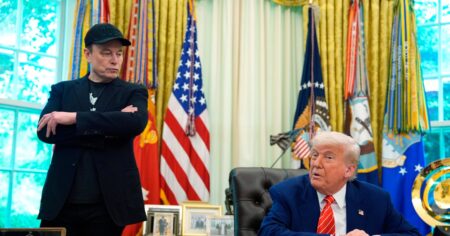
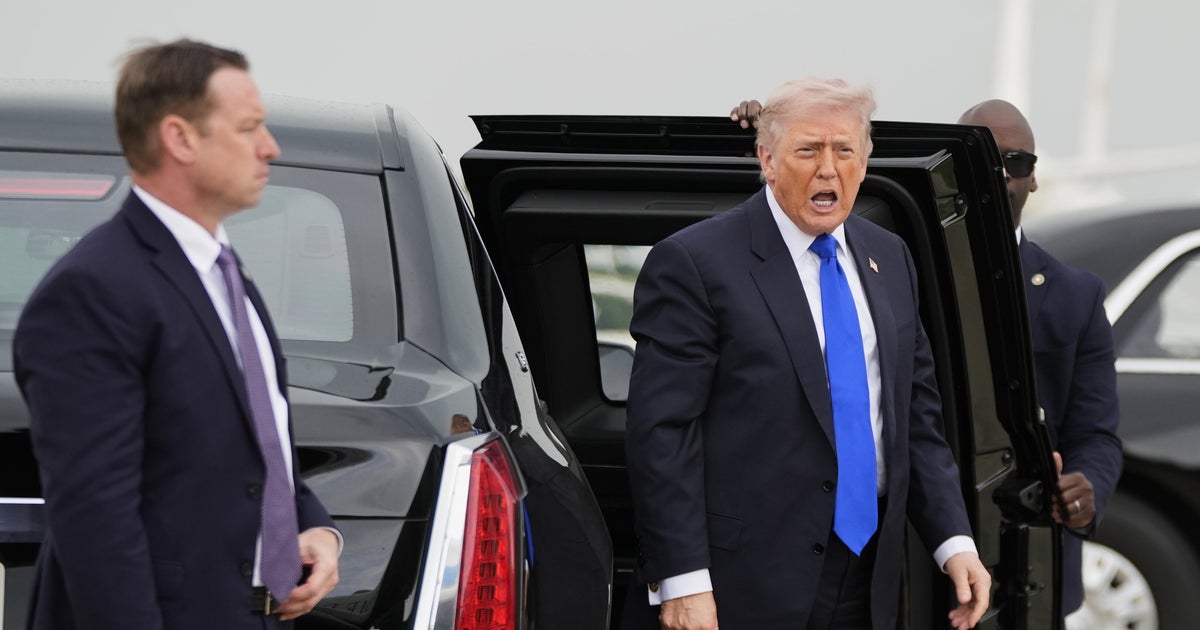
In a surprising turn of events over the weekend, President Trump announced he was pulling the plug on planned peace negotiations with Iran that were scheduled to take place in Pakistan. The president took to Truth Social on Saturday to share his decision to cancel the trip that would have sent his special envoys, Steve Witkoff and Jared Kushner, to Islamabad for what the White House had described as important “direct talks” with Iranian officials. Trump’s reasoning was straightforward but loaded with implications: he felt too much time would be wasted on travel logistics, and more importantly, he expressed serious doubts about who exactly holds the reins of power within Iran’s government. His blunt assessment painted a picture of an Iranian leadership in disarray, with internal conflicts making it unclear who American negotiators would actually be dealing with. The president’s confident declaration that “we have all the cards, they have none” underscored his belief that the United States holds all the leverage in this high-stakes standoff, suggesting that if Iran genuinely wants to negotiate, they can simply pick up the phone and call Washington directly.
The Context: Weeks of Conflict and Failed Diplomacy
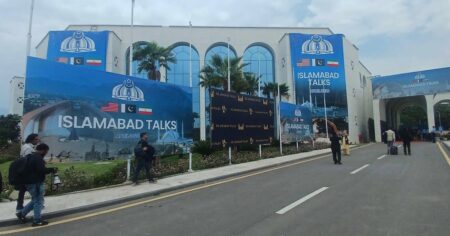
This abrupt cancellation comes after more than fifty days of sustained military operations against Iran by both American and Israeli forces. The conflict has escalated to a point where diplomatic channels have become increasingly important, yet increasingly difficult to establish. White House press secretary Karoline Leavitt had announced just a day before the cancellation that Witkoff and Kushner would be heading to Pakistan’s capital specifically to pursue what she described as a “lasting peace deal.” The timing seemed promising, as Iranian Foreign Minister Abbas Araghchi was already in Islamabad on Friday and Saturday, meeting with Pakistani Prime Minister Shehbaz Sharif before departing for Oman. Pakistan has been playing a crucial intermediary role, trying to bridge the communication gap between Tehran and Washington during this tense period. The South Asian nation has historical ties with both countries and has been attempting to use its diplomatic relationships to facilitate dialogue. However, Trump’s decision to cancel at the last moment suggests either a breakdown in pre-negotiation communications or a strategic calculation that the timing wasn’t right for America to appear eager to negotiate from what the president clearly views as a position of strength.
Economic Ripple Effects: Oil, Shipping, and Inflation
The ongoing conflict between the United States and Iran isn’t just a regional security issue—it’s having profound effects on the global economy and hitting Americans right in their wallets. The Strait of Hormuz, that narrow waterway between Iran and the Arabian Peninsula, has become a major flashpoint with serious economic consequences. Under normal circumstances, approximately one-fifth of the world’s entire oil supply flows through this strategic chokepoint. But the conflict has severely disrupted shipping traffic through the strait, creating uncertainty in global energy markets and sending oil prices climbing. When oil becomes more expensive, the effects cascade through the entire economy, affecting everything from gasoline prices at the pump to the cost of transporting goods across the country. This disruption has contributed to pushing inflation in the United States to levels not seen in nearly two years, erasing some of the progress that had been made in bringing down the cost of living for ordinary Americans. Families are feeling the pinch at grocery stores, gas stations, and in their monthly bills, making this distant conflict feel very close to home for millions of people who just want stable prices and economic security.
America’s Military Pressure Campaign Continues
Despite the cancellation of peace talks, the Trump administration has shown no signs of easing the military and economic pressure it’s applying to Iran. Defense Secretary Pete Hegseth made it abundantly clear on Friday that the United States isn’t backing down from its current strategy. The American blockade of Iranian ports and vessels—a move that has essentially strangled Iran’s ability to export oil and import vital goods—will remain in place “as long as it takes,” according to Hegseth. This statement signals that the administration isn’t feeling any urgency to rush into negotiations or make concessions to bring about a quick end to the conflict. Hegseth’s comments echoed President Trump’s recent statements about Operation Epic Fury, the codename for the military campaign against Iran, emphasizing that the United States controls the timeline and will move at its own pace. This approach reflects a calculated strategy: apply maximum pressure, maintain military superiority, and wait for Iran to come to the negotiating table on American terms rather than rushing into talks that might require compromises. It’s a high-stakes gamble that assumes Iran will eventually crack under the economic and military pressure before the domestic political costs become too high for the Trump administration to bear.
Life Inside Iran: The Human Cost of Conflict
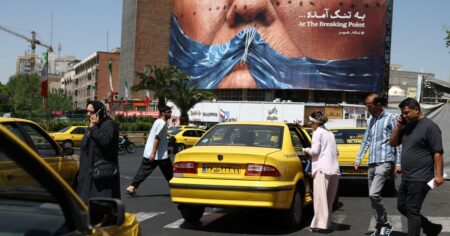
While military and political leaders make strategic calculations, ordinary Iranians are dealing with the very real and immediate consequences of the conflict in their daily lives. The combined American and Israeli strikes have targeted Iran’s energy infrastructure, creating significant damage that’s affecting the country’s ability to generate and distribute electricity. President Masoud Pezeshkian appeared on Iranian state media over the weekend to make an unusual request of his citizens: dramatically reduce electricity consumption to help the country cope with the damaged power systems. His specific example was telling—instead of turning on ten lights in your home, turn on just two. It’s the kind of appeal that reveals just how seriously the infrastructure damage has impacted Iran’s basic services. Beyond the immediate inconvenience of reduced electricity, this situation hints at the broader hardships facing Iranian civilians: disrupted daily routines, businesses struggling to operate, hospitals potentially facing power issues, and the general anxiety that comes with fundamental services becoming unreliable. While political leaders on both sides calculate their next moves, it’s regular people—Iranian families trying to keep their lights on and American families facing higher prices at the store—who are bearing the brunt of this extended conflict.
What Comes Next: Uncertainty and Strategic Patience
The cancellation of these peace talks leaves the situation in a state of tense uncertainty. President Trump’s insistence that Iran can simply call if they want to talk puts the ball firmly in Tehran’s court, but it’s unclear whether Iranian leaders will be willing to make that call under current circumstances, especially given the president’s public comments about their internal divisions and lack of leverage. The administration’s strategy seems to be one of strategic patience—maintaining pressure while waiting for Iran to make the first move toward serious negotiations. However, this approach carries risks: the longer the conflict continues, the more economic damage accumulates both regionally and globally, the more civilians on all sides suffer, and the greater the chance of miscalculation or escalation that could make the situation even worse. International observers are watching closely to see whether this hardline approach will eventually force Iran to negotiate on American terms, or whether the mounting costs—economic, political, and human—will eventually push both sides toward a different path. For now, the diplomatic door appears closed, the military operations continue, and the world waits to see which side will blink first in this high-stakes standoff that’s affecting millions of lives and the global economy.