
Deadly Tornadoes Tear Through Michigan and Oklahoma, Leaving Communities Devastated
Tragedy Strikes Southern Michigan
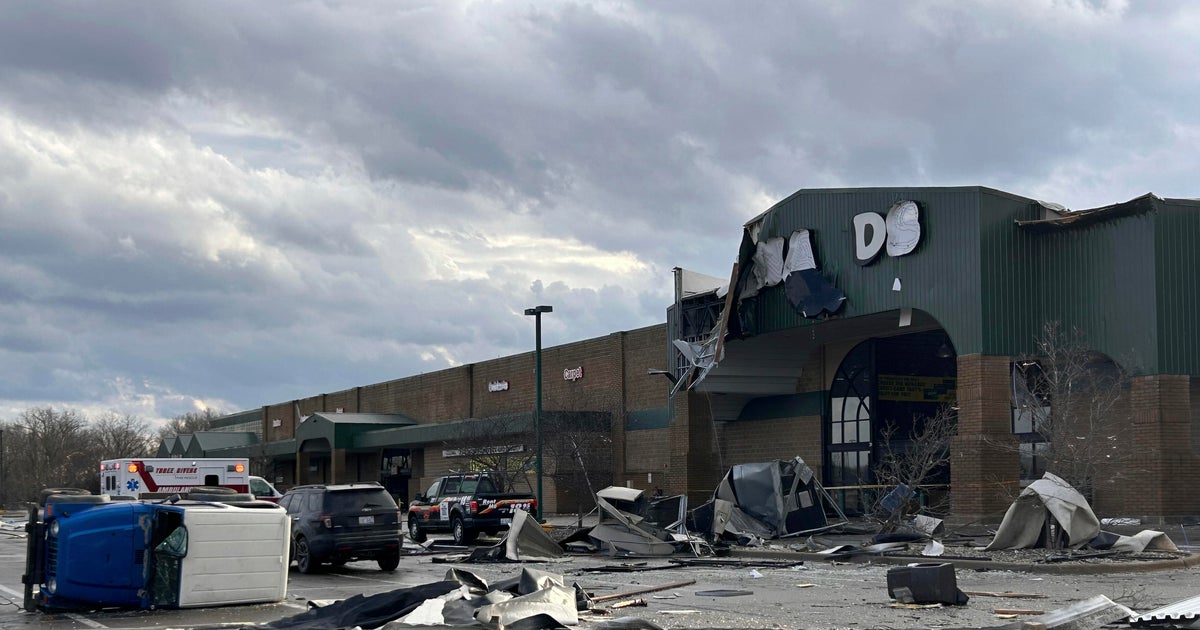
On a devastating Friday in southern Michigan, powerful storms unleashed their fury, leaving at least four people dead and communities in ruins. The severe weather system spawned at least one confirmed tornado that transformed homes into piles of rubble, sent roofing materials soaring through the air like deadly projectiles, and decorated power lines with a chaotic tapestry of debris. In the Union Lake area of Branch County, located roughly two hours from Detroit, the human toll was particularly heartbreaking. Local authorities confirmed three deaths, with twelve people injured and three requiring immediate hospitalization. About fifty miles to the southwest in Cass County, another life was tragically lost as the storms carved their destructive path through the region. Emergency Manager Manny DeLaRosa painted a grim picture of the destruction, describing how massive structures—from family homes to agricultural pole barns—suffered damage ranging from severe structural compromise to complete annihilation, leaving nothing but memories and debris where buildings once stood.
A Community Watches in Horror
The terror of these moments was captured in real-time by Lisa Piper, a resident who stood on her back deck and recorded the unfolding nightmare across frozen Union Lake. Her video documented the terrifying transformation as a funnel cloud materialized in the sky before descending toward the earth with devastating intent. As she filmed, her voice trembled with fear and concern for her neighbors. “It’s lifting houses!” she exclaimed, her shock palpable as she witnessed nature’s awesome and terrible power firsthand. Throughout the ordeal, she kept repeating, “Oh my heart is pounding. Oh, I hope they’re OK”—words that echoed the sentiments of countless others watching their communities torn apart. The National Weather Service confirmed at least one tornado touched down near Union City, with reports suggesting there may have been additional twisters. Even historic structures weren’t spared from the destruction. The First Congregational United Church of Christ in Union City sustained significant damage, though in a small miracle amid the chaos, the church’s nearly 150-year-old grand piano survived intact—a precious artifact preserved as a reminder of what once was and what might be rebuilt.
Understanding the Perfect Storm
Meteorologists worked to explain how such devastating weather could strike a state not typically associated with major tornado activity. David Roth, a meteorologist at the National Weather Service’s Weather Prediction Center in College Park, Maryland, detailed the atmospheric recipe that created these dangerous conditions. A weather system pulled moisture northward from the Gulf of Mexico while a warm front advanced into the region, creating the perfect ingredients for tornado formation. When this warm, moist air encountered the much cooler air masses hovering over the Great Lakes area, the collision created the unstable atmospheric conditions necessary for tornado development. This was particularly noteworthy given Michigan’s relatively low tornado frequency—the state averages just fifteen tornadoes annually, a stark contrast to tornado-prone states like Texas, which sees approximately 155 per year, or Kansas, which experiences around 96. This rarity made the event even more shocking for Michigan residents unaccustomed to such severe tornado threats. In response to the crisis, Governor Gretchen Whitmer immediately activated the state’s Emergency Operations Center, mobilizing what she described as an “all-hands-on-deck response” to coordinate emergency services, rescue operations, and relief efforts across southwestern Michigan.
Widespread Damage and Community Response
The destruction spread across multiple counties, with the Edwardsburg area near the Indiana border reporting numerous downed trees and several homes suffering heavy damage. Officials urged residents to stay away from affected neighborhoods to allow emergency responders safe passage and to prevent injuries from unstable structures or downed power lines. In St. Joseph County, located about 34 miles northeast of Edwardsburg, the sheriff’s office issued urgent warnings telling residents to “seek shelter immediately” as reports came in of an unconfirmed tornado, severe thunderstorm conditions, and potential wind speeds exceeding 60 miles per hour. The office warned citizens through social media to prepare for widespread power outages, road closures, blocked neighborhoods, and interruptions to cellular and internet service—the kind of cascading infrastructure failures that can leave communities isolated in their most vulnerable moments. Videos posted across social media platforms captured the violent, rotating columns of air that characterized these dangerous storms, providing dramatic visual evidence of the power unleashed upon these communities and helping meteorologists track the storms’ paths and intensity.
Oklahoma Faces Its Own Weather Crisis
Michigan wasn’t alone in facing severe weather that day, as powerful storms formed a menacing line stretching all the way from the Great Lakes to North Texas. In Oklahoma, a tornado carved a destructive path approximately four miles long through Okmulgee County, situated about 30 miles south of Tulsa. Jeff Moore, the county’s emergency manager, explained that the full extent of the damage wouldn’t be clear until daylight allowed survey teams to properly assess the destruction. Several people sustained injuries, though exact numbers and conditions weren’t immediately available, and large trees that had stood for decades were toppled like matchsticks. “We’re just getting everywhere as fast as we can, clearing roads as fast we can,” Moore said, his words reflecting the urgent, overwhelming nature of the response effort. Perhaps most tragically, in Major County near the western Oklahoma town of Fairview, a 47-year-old mother and her 13-year-old daughter were found dead in their vehicle near a highway intersection around 10 p.m. Thursday evening. The crash was determined to be “tornado related,” according to Oklahoma Highway Patrol spokesperson Sarah Stewart. Oklahoma Governor Kevin Stitt expressed his condolences, saying, “Severe weather struck Major County last night and tragically claimed the lives of a mother and daughter. I am praying for the family as they grieve this tragic loss, as well as all those impacted by the storms.” The emotional weight of such losses reminds us that behind every statistic are real people with families, dreams, and communities that loved them.
A Nation on Alert as Spring Storm Season Begins
The severe weather placed nearly 25 million Americans at risk, with more than 7 million facing the highest threat level in an area encompassing major cities including Kansas City, Missouri; Tulsa, Oklahoma; and Omaha, Nebraska. An additional zone containing Dallas, Oklahoma City, and Milwaukee placed almost 25 million more people under a slightly lower but still significant risk category. The National Weather Service forecasted severe, scattered thunderstorms stretching from the Plains states through the Ozarks and into the Midwest, a vast swath of the country’s heartland. These spring storms arrived near the beginning of what meteorologists and emergency managers commonly call tornado season, which actually begins at different times in different regions of the United States depending on local climate patterns. Experts took the opportunity to remind Americans of simple but potentially life-saving safety measures: maintaining a weather radio for alerts when power and cell service fail, and developing a clear family plan for shelter locations when tornadoes threaten. While severe weather continued in parts of the Northeast, with Maine, New Hampshire, Vermont, Massachusetts, Rhode Island, and Connecticut remaining under various weather advisories, forecasters predicted the pattern would also bring unseasonably warm temperatures to southern portions of the United States by the weekend. Federal forecasters noted that temperatures would climb 20-30 degrees above average for the season, with readings in the 80s reaching as far north as parts of the Ohio Valley and Mid-Atlantic regions, potentially setting numerous daily temperature records—a reminder that extreme weather comes in many forms, and that our climate continues to produce patterns that challenge our historical expectations and test our preparedness.