



A Deadly Love Triangle: Au Pair Receives Maximum Sentence in Double Murder Plot
The Crime That Shocked a Community
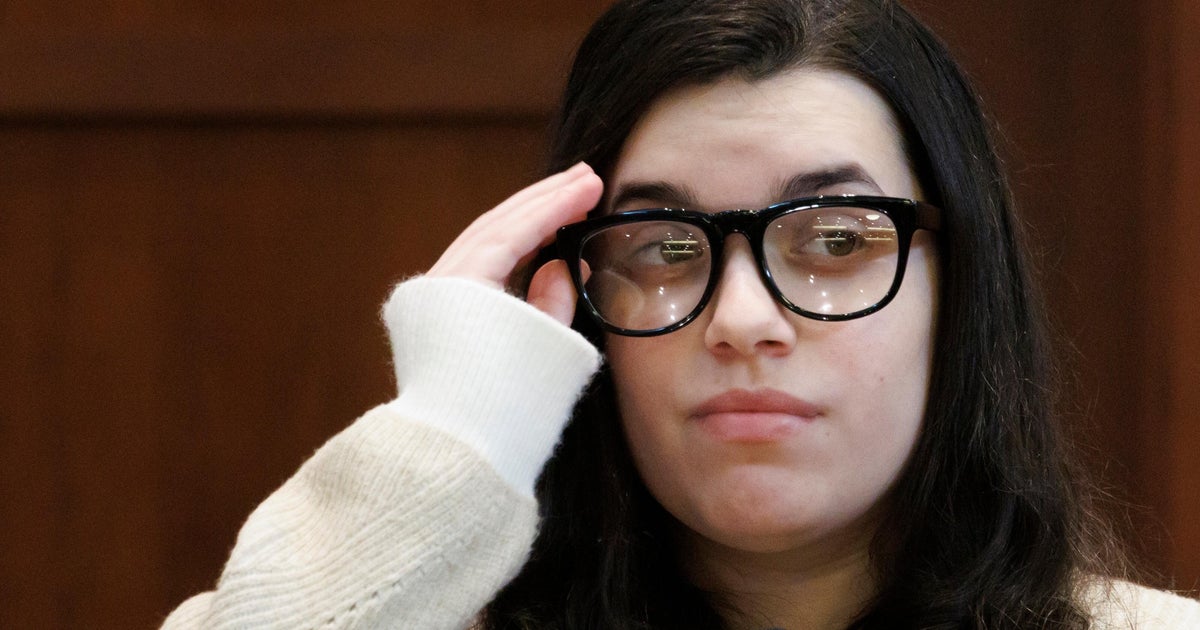
In a case that reads like a dark thriller but devastated real families, a former au pair from Brazil has been sentenced to ten years in prison for her role in a carefully orchestrated double murder. Juliana Peres Magalhães stood before Fairfax Chief Circuit Court Judge Penney S. Azcarate on Friday, expecting to walk free after cooperating with prosecutors. Instead, she received the maximum possible sentence for manslaughter in the February 2023 killing of Joseph Ryan. The judge’s words were unsparing: “Your actions were deliberate, self-serving, and demonstrated a profound disregard for human life.” What began as an employment arrangement caring for a couple’s young child had twisted into a fatal affair that would claim two lives and shatter multiple families forever. The case exposed a web of deception, manipulation, and calculated violence that Judge Azcarate described as “the most serious manslaughter scenario that this court has ever seen.”
The relationship between Magalhães and her employer, Brendan Banfield, an IRS agent, had crossed boundaries long before the violent events of that February day. Together, they had plotted an elaborate scheme to eliminate Banfield’s wife, Christine, a dedicated pediatric intensive care nurse. Their plan involved creating a fake social media account in Christine’s name on a platform for people with sexual fetishes. Through this deceptive profile, they lured Joseph Ryan, an unsuspecting stranger, to the Banfield home under the pretense of a consensual sexual encounter involving knife play. Ryan had no idea he was walking into a trap that would cost him his life and provide cover for the murder of Christine Banfield. The cold calculation behind this plot—using an innocent person as both a scapegoat and additional victim—revealed a depth of callousness that would later horrify the courtroom.
The Deadly Day: A Staged Scene of Violence
On that fateful day in February 2023, the carefully laid plan unfolded with chilling precision. According to Magalhães’s testimony, she and Banfield first took the couple’s four-year-old child to the basement, removing the innocent witness from the scene of the horror about to unfold. What happened next in the bedroom would forever alter multiple lives. Magalhães testified that Banfield shot Ryan first, but when she noticed the victim was still moving, she fired the second, fatal shot. This admission—that she delivered the killing blow to an already wounded, helpless man—would become central to her conviction, even as prosecutors acknowledged her cooperation in building their case against Banfield.
But Ryan’s death was only part of the violence that day. While Magalhães admitted being present during Christine Banfield’s murder, she claimed she crouched behind the bed, covering her eyes and ears as Banfield repeatedly stabbed his wife to death. This account, whether fully truthful or not, painted a picture of a woman who had become so entangled in a toxic relationship that she participated in and witnessed unspeakable acts. The betrayal was multilayered: Christine Banfield was killed in her own bedroom, her identity stolen for a fake online profile, by a husband she trusted and an au pair she had welcomed into her home to care for her child. The staging of the scene to make it appear as though Ryan was a dangerous intruder who had attacked Christine added another layer of calculated deception to an already horrifying crime.
The Long Silence and Eventual Cooperation
In the months following the murders, Magalhães maintained her silence while continuing her affair with Banfield, a detail that prosecutors emphasized showed consciousness of guilt and a disturbing lack of remorse. She wasn’t arrested until eight months after the killings, and even then, she refused to speak with investigators for more than a year. This extended silence protected Banfield and allowed the couple to maintain their fabricated narrative about what had happened that day. Only as her own trial date approached did Magalhães finally break her silence and agree to cooperate with authorities. Her decision to testify against Banfield became the cornerstone of the prosecution’s case against him, providing insider details about the planning, execution, and aftermath of the double murder.
During Banfield’s trial this month, Magalhães took the stand and revealed the disturbing details of their scheme. Her testimony was crucial in securing Banfield’s conviction on two counts of aggravated murder, one count of child endangerment, and one count of using a firearm in the commission of a murder. However, Banfield’s defense attorney aggressively challenged Magalhães’s credibility, suggesting she was simply telling prosecutors what they wanted to hear in exchange for leniency. The attorney painted her as an equally guilty party who was now betraying her former lover to save herself. This characterization resonated with Judge Azcarate, who ultimately rejected the prosecution’s recommendation of immediate release, despite the cooperation agreement.
A Courtroom Reckoning: Families Seek Justice
The sentencing hearing brought devastating victim impact statements from Joseph Ryan’s family members. His mother, Dierdre Fisher, delivered words that captured both her grief and her anger at how her son had been used as a pawn in someone else’s murderous plot. “Do I think or dare hope that there will be justice for Joe’s death? For my loss as his mother? I don’t believe that’s possible,” Fisher told the court. “What I do hope is that even for a moment, that the world and you, Judge, will say Joe meant more than nothing. That he was someone worthy of dignity and life who didn’t deserve to be used and thrown away, treated as utterly disposable.” Her words highlighted the particular cruelty of Ryan’s death—he was an innocent person, lured through deception and killed to serve as cover for another murder.
Tragically, Christine Banfield’s family prepared letters for the court but were not permitted to speak during Magalhães’s sentencing because she was only charged in connection with Ryan’s death. This legal technicality added insult to injury for a family already devastated by loss. Christine’s murder—a wife and mother killed by her own husband with the assistance of someone she had trusted in her home—remained unaddressed in this particular proceeding. Before her sentencing, Magalhães read a prepared statement expressing remorse: “I know my remorse cannot bring you peace. I lost myself in a relationship, and left my morals and values behind.” While these words acknowledged her responsibility, they rang hollow to families who had lost loved ones to her “deliberate and self-serving” actions, as Judge Azcarate characterized them.
The Judge’s Message: No Mercy for Calculated Violence
Judge Azcarate’s decision to impose the maximum ten-year sentence, despite the prosecution’s recommendation for immediate release, sent a powerful message about accountability and the limits of cooperation agreements. “So let’s get straight — you do not deserve anything other than incarceration and a life of reflection on what you have done to the victim in this family,” the judge stated firmly. “May it weigh heavily on your soul.” This departure from the negotiated plea deal reflected the judge’s assessment that the calculated nature of the violence, the vulnerability of the victims, and Magalhães’s extended silence and continued relationship with Banfield after the murders demonstrated a level of culpability that demanded significant punishment, regardless of her eventual cooperation.
The sentence represents a legal reckoning for Magalhães, though many would argue it falls far short of true justice for the lives taken. At the same time, her testimony proved invaluable in securing convictions against Brendan Banfield, who faces mandatory life sentences without parole on the aggravated murder charges when he is sentenced on May 8. In Virginia, aggravated murder carries one of the state’s harshest penalties, ensuring that Banfield will spend the rest of his life behind bars. The case serves as a grim reminder that toxic relationships can escalate to unimaginable violence, that manipulation can lead good people to abandon their values, and that the justice system, while imperfect, ultimately holds perpetrators accountable. For the families of Joseph Ryan and Christine Banfield, no sentence can restore what was taken, but perhaps there is some small measure of closure in knowing that both people responsible for this horrific crime will spend years reflecting on the precious lives they destroyed and the trust they so callously betrayed.