
Deadly Austin Shooting: A Tragic Night That Left Four Dead and Nineteen Injured
The Incident and Immediate Response
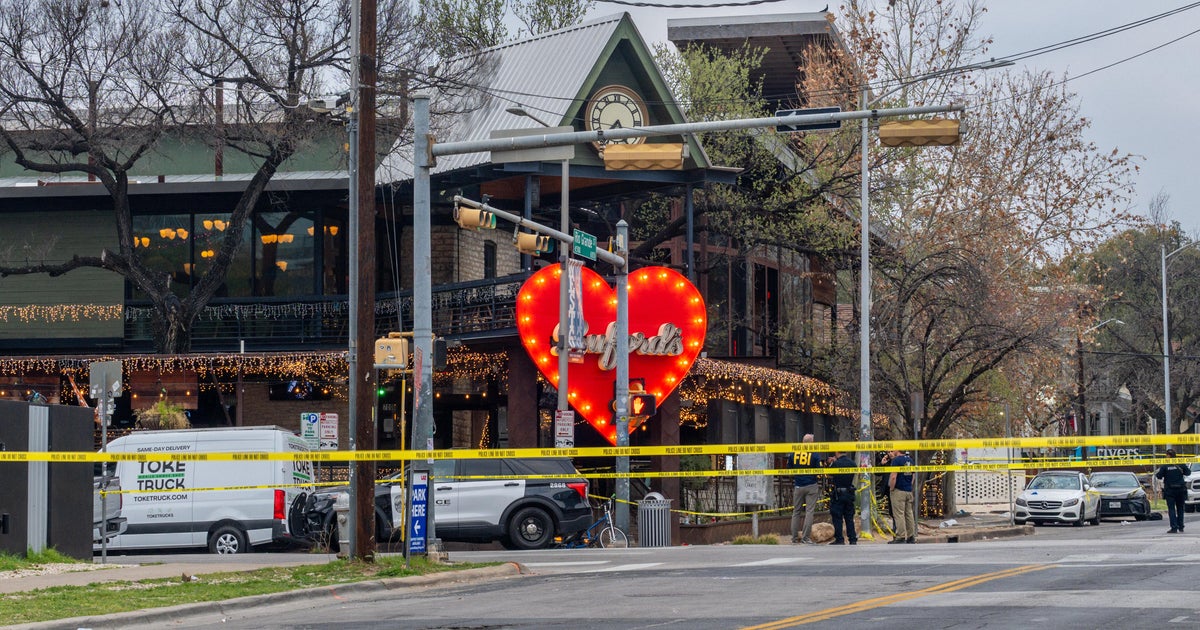
On a weekend that should have been filled with the usual buzz of Austin nightlife, tragedy struck when a gunman opened fire near a popular bar district, forever changing the lives of countless individuals. The Austin Police Department held a press conference Thursday afternoon to shed light on the harrowing events that unfolded, presenting video footage and audio recordings that painted a clearer picture of the chaos that erupted that night. Police Chief Lisa Davis stood before reporters and explained that what initially appeared to be a devastating attack has revealed itself to be even more extensive than first believed, with the total number of victims now standing at nineteen people who suffered injuries from the shooting, in addition to the three individuals who lost their lives before police killed the gunman.
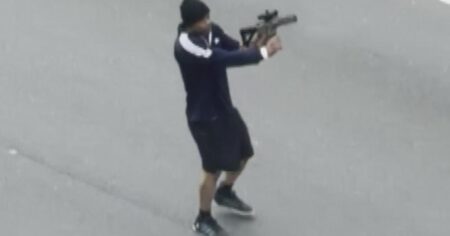
The shooter, identified as 53-year-old Ndiaga Diagne, carried out his attack in a methodical and terrifying manner. According to Chief Davis’s account, Diagne began his assault while driving a black SUV past the crowded bar area, firing indiscriminately into the throngs of people enjoying their evening outside. But he didn’t stop there. After this initial drive-by attack, Diagne deliberately parked his vehicle and returned on foot, now armed with an AR-15 rifle, walking back toward the bar to continue his deadly rampage. The scene quickly descended into pandemonium as the sound of gunfire sent people scrambling for safety, their night of entertainment transformed into a desperate fight for survival.
Heroes in Uniform: Police Response Under Fire
The swift response of Austin police officers undoubtedly prevented further loss of life that night. As terrified bystanders ran for cover, some brave souls pointed responding officers in the direction of the active shooter, even as bullets continued to fly. When officers arrived on the scene and confronted Diagne, he immediately turned his weapon on them, showing no hesitation in engaging law enforcement. Three officers, trained for such nightmarish scenarios but never truly prepared for the reality of facing down an active shooter, returned fire and killed Diagne, ending his rampage but not before he had inflicted devastating harm on the community.
During the press conference, Chief Davis presented various pieces of evidence to help the public understand the sequence of events. The materials shown included haunting audio from two different 911 calls that came flooding in as the shooting unfolded, police dispatch communications as officers coordinated their response, surveillance footage from the area that captured portions of the attack, and body camera video from the officers who confronted and ultimately stopped the shooter. These recordings provide an invaluable record of both the horror of the attack and the bravery of first responders, though they also serve as painful reminders of lives lost and forever altered.
Uncovering a Possible Motive: Extremism and International Tensions
In the aftermath of the shooting, investigators began piecing together information about Diagne that suggests his attack may have been motivated by extremist ideology connected to international conflicts. The FBI has taken an active role in investigating the incident for possible ties to terrorism, a determination that came after discovering troubling details about the shooter’s appearance and online presence. When Diagne was killed by police, investigators noticed he was wearing clothing with potentially significant symbolism: a hoodie bearing the words “Property of Allah” over a shirt emblazoned with a design resembling the Iranian flag. These wardrobe choices, which might seem insignificant in isolation, took on greater meaning as investigators dug deeper into his background.
Sources close to the investigation have revealed to CBS News that the ongoing conflict involving Iran appears to have played at least a partial role in motivating the attack. The timing of the shooting is particularly notable—it occurred shortly after American and Israeli forces conducted a massive coordinated airstrike campaign that resulted in the deaths of high-ranking Iranian regime leaders and caused significant damage to Iranian military infrastructure. This temporal proximity between international military action and the domestic attack suggests that Diagne may have been responding to these global events, though investigators are still working to establish definitively what drove him to commit such violence against innocent people in his adopted hometown.
A Troubled Digital Footprint and Mental Health Struggles
As investigators examined Diagne’s social media presence, they uncovered a disturbing pattern of posts that revealed deeply held prejudices and extremist sympathies. Authorities found that his online activity included numerous antisemitic statements, anti-Christian rhetoric, and pro-Iranian regime content. This digital trail provides important context for understanding how someone becomes radicalized to the point of committing mass violence, though it also raises difficult questions about how such escalating extremism can be identified and addressed before it manifests in tragedy. The posts paint a picture of someone who had become increasingly consumed by ideological hatred, viewing certain religious groups as enemies and identifying with a foreign government currently in conflict with the United States.
However, ideology alone doesn’t fully explain Diagne’s path to violence. Sources familiar with the investigation also disclosed that he had a documented history of mental health issues, adding another layer of complexity to understanding what drove him to commit this act. In at least one previous encounter with Texas law enforcement, officers had responded to a call regarding Diagne because he was experiencing suicidal ideation. This interaction reveals that he had been in crisis before, known to authorities as someone struggling with serious psychological distress. The intersection of mental health challenges and extremist ideology creates a particularly volatile combination, and Diagne’s case illustrates how these factors can tragically converge with access to firearms to produce devastating results.
The Shooter’s Background: An Immigrant’s Journey to Radicalization
Understanding who Ndiaga Diagne was requires looking at his history as an immigrant to the United States. According to U.S. officials, Diagne originally came from Senegal, a predominantly Muslim country in West Africa, arriving in America in 2000 seeking the opportunities and new life that so many immigrants pursue. For thirteen years, he lived in the United States before taking the significant step of becoming an American citizen in 2013, a process that involves demonstrating knowledge of U.S. history and government, as well as taking an oath of allegiance to the Constitution. At some point during his more than two decades in this country, something changed. The man who had chosen to become an American citizen and build a life here became radicalized, developing extremist views that would ultimately lead him to attack his fellow Americans.
The question of how and why this transformation occurred will likely be examined for months or years to come as investigators, psychologists, and terrorism experts attempt to understand Diagne’s radicalization process. Was it a gradual shift fueled by online propaganda? Did personal grievances or disappointments create vulnerability to extremist messaging? How did someone who had been integrated into American society for over twenty years reach a point where he could commit mass murder against people in his community? These questions matter not just for understanding this particular tragedy, but for identifying warning signs and intervention points that might prevent future attacks. The case highlights the ongoing challenges facing law enforcement and community organizations in identifying individuals at risk of radicalization and providing support or intervention before ideology transforms into violence.
Community Impact and Moving Forward
The ripple effects of this shooting extend far beyond the immediate victims and their families, though their suffering remains at the heart of this tragedy. Nineteen people sustained injuries that night, each with their own story of survival and their own path to physical and emotional recovery ahead. Three families lost loved ones who simply went out for an evening and never came home. The officers who responded and were forced to take a life in defense of others will carry that experience with them forever, as will the countless witnesses who saw things no one should have to see. The Austin community as a whole must now grapple with the reality that their city—known for its welcoming, laid-back culture—became the site of what appears to be a terrorism-related attack, a stark reminder that the threats making international headlines can materialize terrifyingly close to home in an instant.