


The Fall of a College President: Leon Botstein’s Retirement Following Epstein Scandal
A Half-Century of Leadership Comes to an End
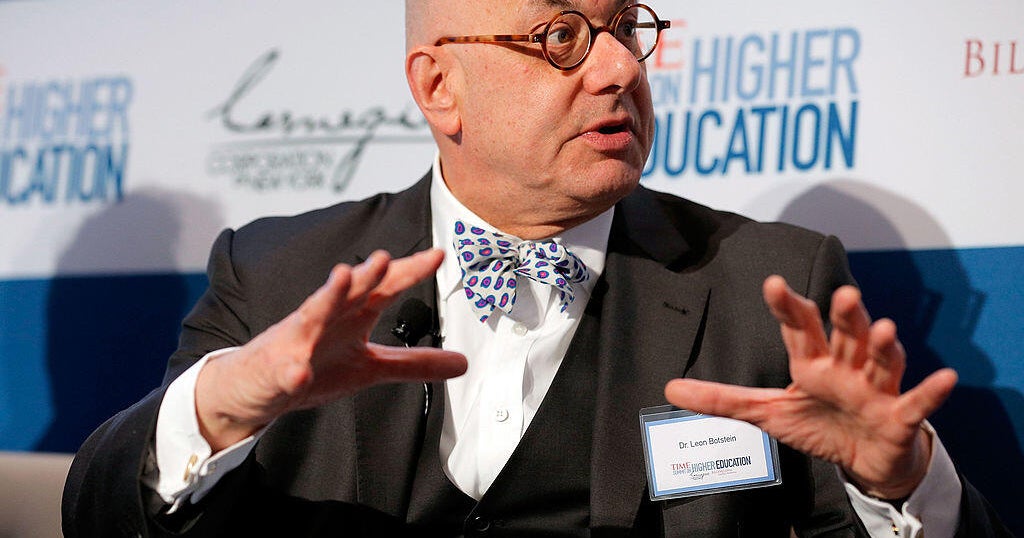
After an extraordinary fifty-year tenure at the helm of Bard College, Leon Botstein has announced his retirement, marking the end of an era for the prestigious liberal arts institution in New York. The 79-year-old president’s departure, set for the end of June, comes at a particularly tumultuous time for both him and the college. While Botstein’s announcement letter to the campus community was characteristically lengthy and reflective, it notably avoided direct discussion of the elephant in the room: his controversial relationship with Jeffrey Epstein, the convicted sex offender whose connections to powerful figures have sparked widespread outrage and scrutiny. The timing of Botstein’s announcement—coming just days after an independent review of his ties to Epstein was published—has raised questions about whether this retirement was truly a voluntary decision or a consequence of mounting pressure from the college community, donors, and the public at large.
The Epstein Connection Revealed
The revelation of Botstein’s relationship with Jeffrey Epstein sent shockwaves through the Bard College community and beyond. Documents released by the Justice Department earlier this year painted a picture far more intimate than what Botstein had previously acknowledged. These records showed that the two men had met multiple occasions, with Epstein sometimes making a dramatic entrance to the campus via helicopter—a detail that underscores the level of access and comfort Epstein enjoyed at the institution. Perhaps most troubling was Botstein’s invitation for Epstein to attend the 2013 graduation ceremonies as a guest, a gesture that suggested a level of personal warmth and acceptance that many found deeply inappropriate given Epstein’s criminal history. The communications between the two men revealed in these documents showed a relationship that went beyond what Botstein had characterized as purely transactional fundraising interactions. In one particularly damning email sent just weeks after The Miami Herald published explosive new details about Epstein’s criminal prosecution in 2018, Botstein reached out with words of comfort: “I want you to know that I hope you are holding up as well as can be expected.” This message, sent when public awareness of Epstein’s crimes was intensifying, demonstrated a personal concern that contradicted Botstein’s public claims of maintaining only a professional, fundraising-focused relationship.
The Independent Review and Its Findings
Faced with growing concerns from students, faculty, and stakeholders, Bard College’s board of trustees took the significant step of enlisting WilmerHale, a prestigious outside law firm, to conduct an independent review of all communications and interactions between Botstein and Epstein. The review’s findings, released just before Botstein’s retirement announcement, cleared the president of any illegal activity or involvement in Epstein’s exploitation and abuse of girls and women—a crucial distinction that separated him from direct complicity in Epstein’s crimes. However, the review delivered a stinging rebuke in other ways, concluding that Botstein “made decisions in the course of that relationship that reflect on his leadership of Bard” and, perhaps more damaging, that he had “minimized and was not fully accurate in describing his relationship with Epstein” in his public statements and communications with the Bard community. The review uncovered an internal disagreement between Botstein and a senior faculty member who felt the college should not engage with Epstein at all. In that conflict, Botstein’s position revealed a troubling calculation: he reportedly referred to Epstein as “an ordinary sex offender” and argued that someone convicted of crimes involving sex with a minor could be presumed rehabilitated just like any other convicted person—a stance that many found shockingly dismissive of the severity and nature of Epstein’s crimes.
The Fundraising Defense and Moral Questions
Throughout the controversy, Botstein has consistently defended his interactions with Epstein by pointing to his responsibility to raise funds for Bard College. Epstein had directed $150,000 to Botstein in 2016, money that the president claimed he donated directly to the college rather than keeping for personal use. This defense raises profound questions about the moral boundaries of institutional fundraising and the lengths to which leaders should go in pursuing financial support for their organizations. The independent review captured Botstein’s philosophy in a stark and memorable phrase: “I would take money from Satan if it permitted me to do God’s work.” This statement encapsulates a utilitarian approach to fundraising that prioritizes outcomes over the source of funding, but it also reveals a troubling willingness to compartmentalize and rationalize relationships with individuals whose actions have caused immeasurable harm to vulnerable people. For many in the Bard community and beyond, this defense fell flat. The question wasn’t simply whether the college benefited from Epstein’s money, but what message it sent to accept funds from a convicted sex offender, what it communicated to survivors of sexual abuse, and whether any amount of money could justify the normalization and social rehabilitation of someone who had committed such serious crimes. The controversy also highlighted a broader issue in higher education and philanthropy: the uncomfortable reality that many institutions have accepted money from morally compromised individuals, often looking the other way or minimizing their donors’ problematic histories in pursuit of funding.
Community Response and Institutional Accountability
The revelation of Botstein’s relationship with Epstein created deep divisions and hurt within the Bard College community. Students, faculty, alumni, and staff grappled with conflicting feelings about a leader who had undeniably transformed their institution over five decades but who had also demonstrated questionable judgment and been less than truthful about his ties to a notorious sex offender. The Executive Committee of the Board of Trustees acknowledged this pain in their statement, noting that the “concerns raised in recent months have been serious and deeply felt” and expressing gratitude “to those who came forward to share their perspectives.” This recognition of community voices represents an important aspect of institutional accountability—the willingness to listen to and validate the concerns of stakeholders even when they challenge long-standing leadership. In a gesture toward making amends, the board announced that funds associated with Epstein would be redirected to organizations that support survivors of sexual harm. This decision, while symbolic, represents an attempt to transform something harmful into something healing, to acknowledge the real human cost of Epstein’s crimes and the pain caused by the institution’s association with him. Yet questions remain about whether this response goes far enough and what lessons Bard and other institutions will draw from this episode about vetting donors, maintaining ethical standards in fundraising, and being transparent with their communities about difficult decisions and relationships.
Legacy and Looking Forward
As Leon Botstein prepares to step down from the presidency while remaining on the faculty as a teacher and musician, the question of his legacy looms large. There is no denying that his fifty-year tenure was transformative for Bard College. The institution he is leaving behind is vastly different from the one he inherited—grown in reputation, reach, and educational innovation. The college’s official statement acknowledged this contribution, describing him as “a transformative leader with the vision and unwavering commitment that has shaped Bard into the world-class educational institution it is today.” Yet this legacy is now unavoidably complicated by the Epstein scandal, which will color how his presidency is remembered and discussed for years to come. The case also serves as a cautionary tale about the dangers of insularity in institutional leadership and the importance of accountability mechanisms even for long-serving and successful leaders. Botstein’s willingness to maintain a relationship with Epstein, his minimization of the seriousness of Epstein’s crimes, and his lack of transparency about these interactions all point to blind spots that can develop when leaders operate without sufficient oversight or challenge. As Bard College moves forward under new leadership, it faces the task of healing as a community, strengthening its ethical guidelines around fundraising and donor relationships, and demonstrating that no institutional need—no matter how pressing—justifies compromising on fundamental values of honesty, transparency, and respect for survivors of sexual violence. The lessons from this episode extend far beyond Bard’s campus, offering a sobering reminder to all institutions about the importance of moral clarity and ethical consistency, even and especially when they conflict with immediate institutional interests.