
What It’s Really Like Being a Member of Parliament: An Inside Look
The Demanding Reality of Parliamentary Life
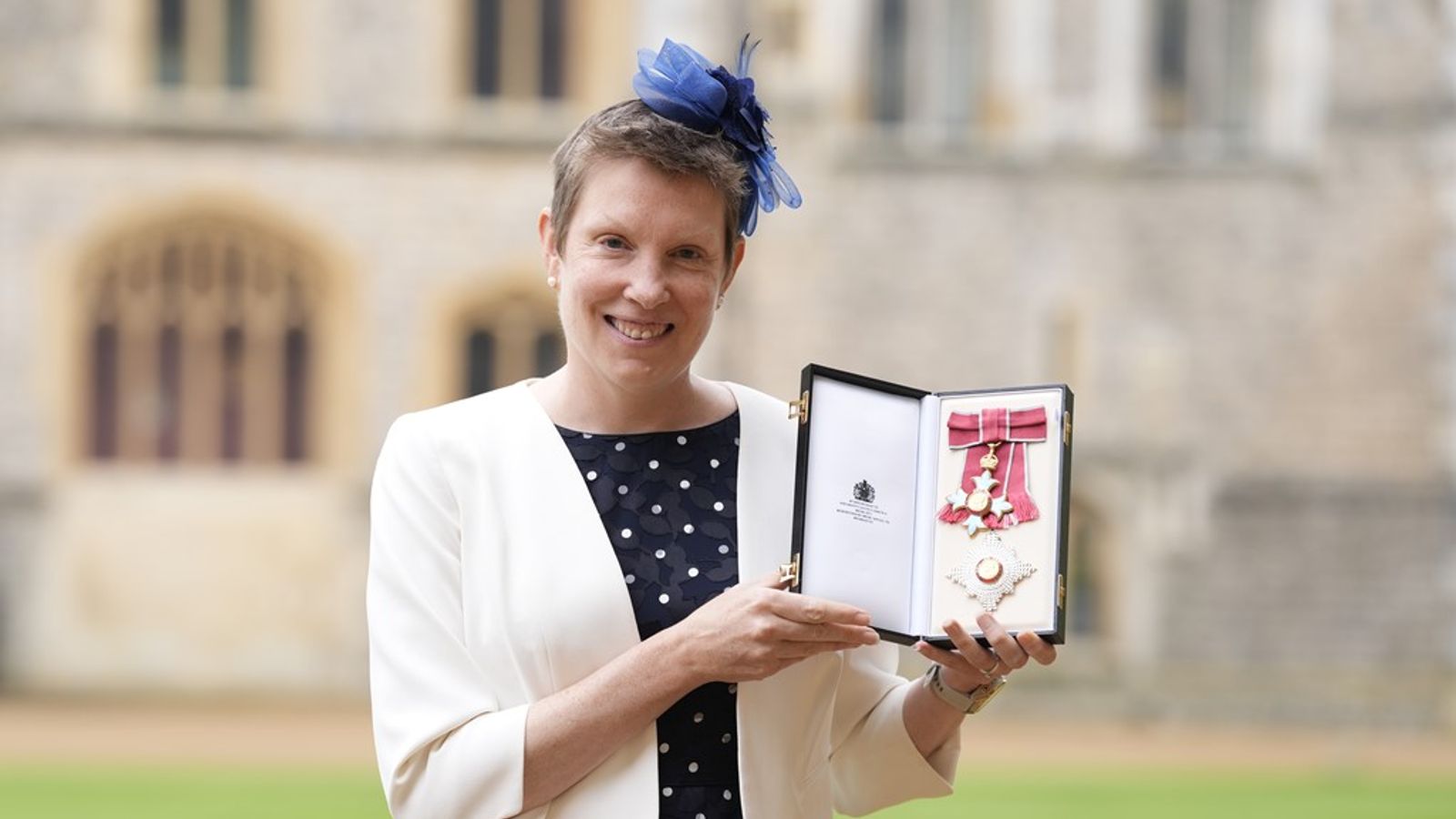
Being a Member of Parliament is far from the nine-to-five job many people might imagine. Dame Tracey Crouch, who served as Conservative MP for Chatham and Aylesford in Kent from 2010 to 2024, reveals that the role defies simple definition. The working hours are virtually impossible to pin down because no two days, weeks, or months are the same. Some days would see her at her desk from 7am and not leaving until well past midnight, while others might be slightly more manageable, running from 8am to 6pm. Weekend work was almost always part of the package. The role itself is incredibly diverse—there’s no formal job description, and MPs find themselves juggling multiple hats simultaneously. One moment you’re acting as a spokesperson for your party, the next you’re functioning as a social worker for constituents in crisis. The job requires you to be an international diplomat, a council worker addressing local issues, a teacher explaining complex policies, and both a manager and employee depending on the situation. This variety, while keeping the role interesting, also means the demands are constant and unpredictable.
The Financial Aspects and Job Security
When Dame Tracey was first elected in 2010, her parliamentary salary was £65,000—which actually represented a pay cut from her previous employment. By the time she left office, the salary had increased to approximately £94,000, which she considers probably reasonable given the responsibilities involved. However, the financial picture of being an MP extends beyond just the salary. When MPs lose their seats, they receive a resettlement payment, though the amount varies based on how long they’ve served. The pension system has also undergone changes over the years, shifting from a final salary scheme to a career average calculation, similar to reforms seen across other public sector positions. MPs who have held their seats for at least two years are entitled to twice their statutory redundancy entitlement when they leave office, with up to £30,000 of this being tax-free. While some might think the constant uncertainty of potentially losing your seat every five years would be mentally challenging, Dame Tracey offers a pragmatic perspective: someone had to be “sacked” for you to get the job in the first place, so it’s simply part of the democratic process you’ve signed up for.
Expenses, Ethics, and Personal Choices
The topic of parliamentary expenses often generates public scrutiny, but Dame Tracey took a principled approach to claims during her time in office. She chose not to claim many benefits, particularly travel expenses, because she represented a commuter constituency and didn’t think it was right to claim for her journey to work when her constituents couldn’t do the same. These decisions, she emphasizes, are ultimately personal choices that each MP must make. The expenses that MPs are permitted to claim cover a range of costs including employing staff, running an office, maintaining accommodation either in their constituency or in London, travel, and personal security. The system exists because MPs are expected to maintain a presence both in their local area and in Westminster, which can create significant practical and financial challenges, especially for those representing constituencies far from London. The key, according to Dame Tracey’s approach, is to consider whether claiming a particular expense passes the common sense test and whether it’s something you could justify to the people you represent.
The Personal Cost of Public Service
Serving as an MP carries significant personal costs that extend far beyond the professional sphere. Dame Tracey is candid about how the role massively affected her family life. Her home became a fortress equipped with security measures—panic alarms were installed in the bedroom, a reality that’s impossible to ignore when you’re trying to live a normal life. The constant worry about personal safety was particularly acute, as female MPs statistically receive more threats of violence than their male counterparts. Maintaining a normal social life proved challenging, though she considers herself fortunate that most of her friends knew her before she was elected, helping keep her grounded amid the unusual circumstances of parliamentary life. The role fundamentally changes your relationship with your community too—you’re no longer just another resident but a public figure whose every move might be scrutinized. The weight of responsibility for representing tens of thousands of constituents, combined with the security concerns and the intrusion into family life, creates a unique set of pressures that most people in other professions never have to navigate.
What Makes a Good MP
When asked about the best route to becoming an MP, Dame Tracey emphasizes starting at the grassroots level of a political party. It’s about getting out and talking to people in the community, truly understanding their challenges rather than approaching politics from a purely theoretical or ideological perspective. The fundamental requirement, she stresses, is actually caring about people—without that, the role becomes hollow. The essential traits needed include compassion and a genuine desire to work hard. Conversely, the worst trait she observed in poor MPs was a failure to understand or engage with the real concerns of people in their constituencies. Despite perceptions of elitism in parliament, she found that any such attitudes tend to disappear quickly—the job itself is very levelling and equalising. She challenges the assumption that MPs spend their evenings partying, noting that she rarely went out. The most annoying aspect of being an MP, she reflects, is that it’s a fairly thankless role—the wins are often invisible while the failures are magnified. Her biggest frustration with today’s political discourse is that it’s become too black and white, lacking appreciation for nuance and the multiple shades of grey that characterize most policy challenges.
Legacy, Principles, and Cross-Party Reality
Looking back on her parliamentary career, Dame Tracey’s proudest moment wasn’t passing a particular piece of legislation but rather resigning on a point of principle. She left a ministerial position over delays to implementing a stake cut on fixed odds betting terminals, demonstrating that sometimes taking a stand means sacrificing advancement. Her biggest regret was that the early election meant she left with unfinished items on her to-do list—projects and initiatives for her constituents that she’d hoped to see through to completion. The biggest money concerns constituents brought to her were straightforward: simply making ends meet, with the cost of living crisis proving very real for people on middle and low incomes. She joined the Conservative Party because it’s a broad church, and expresses frustration that people often forget this diversity of thought within parties. Perhaps surprisingly to those who view politics as irredeemably adversarial, she notes that she never really saw genuine hate between MPs from different parties—most work in parliament is actually done on a cross-party basis, with MPs from different political backgrounds collaborating more often than the media narrative might suggest. This insight reminds us that behind the theater of Prime Minister’s Questions and partisan debates, there’s often more cooperation and mutual respect than the public realizes.