
Rising Fear and Anger: London’s Jewish Community Faces Wave of Antisemitic Violence
A Community Under Siege
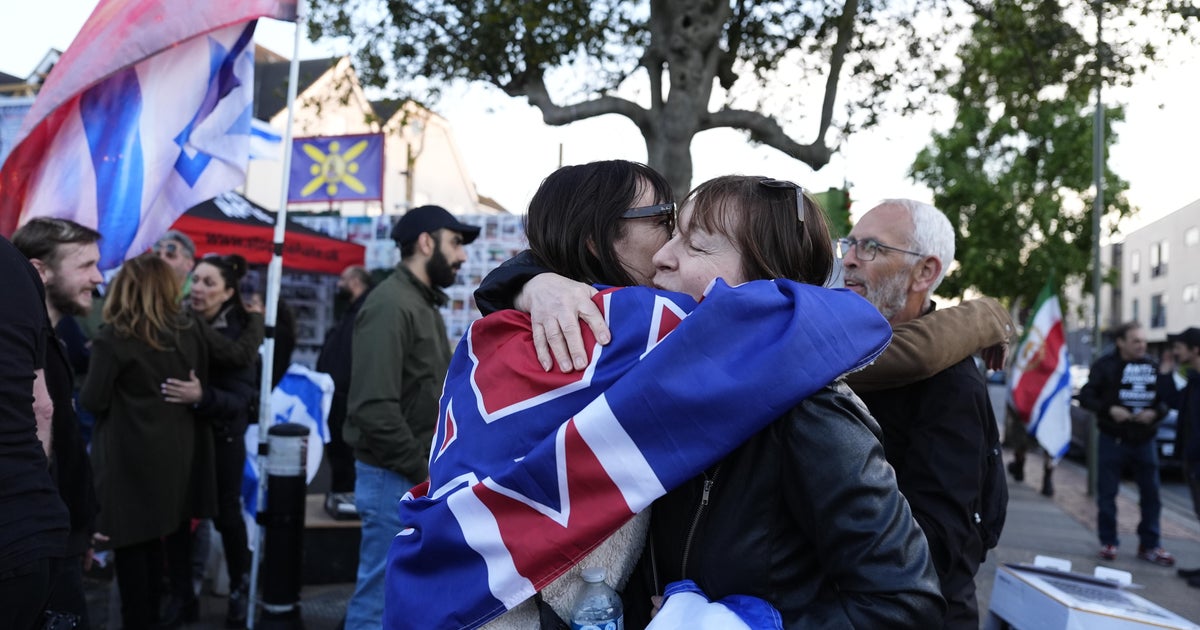
The streets of Golders Green, a historic heart of London’s Jewish community, have become a place where fear walks alongside its residents. When British Prime Minister Keir Starmer arrived in the North London neighborhood on Thursday, he was met not with gratitude but with jeers and angry shouts. Residents called him a “traitor” and “coward,” their fury boiling over after two Jewish men were stabbed the day before in what authorities are calling an antisemitic terrorist attack. This incident wasn’t an isolated tragedy—it was the latest in a troubling pattern of violence that has left the Jewish community feeling abandoned and afraid. From arson attacks on synagogues to hateful graffiti and now violent assaults, Jewish Londoners say they’re living in a state of constant vigilance, looking over their shoulders and questioning whether anywhere is truly safe. One Orthodox Jewish resident captured the desperation many feel: “We have to live in fear—constantly looking behind our backs, wondering if someone might attack us with a knife… and even if we leave, where do we go? There are people trying to attack us everywhere.” This isn’t just anxiety; it’s a community wondering if Britain still considers them welcome.
From Shock to Rage: A Community’s Breaking Point
In the immediate aftermath of Wednesday’s stabbing, residents of Golders Green told reporters they felt shocked and deeply saddened, but tellingly, not surprised. The attack felt like an inevitable escalation of a problem that has been festering for years, and that initial grief quickly transformed into something more powerful: anger. People aren’t just mourning what happened; they’re demanding their government finally take meaningful action. Ben Grossnass, a volunteer with Shomrim, a Jewish community security organization who was among the first responders at the scene, put it plainly: “There’s been a number of arson attacks on synagogues, and a huge uptick in antisemitism locally in our community. The community is in shock, understandably.” But beyond shock lies frustration with what many see as empty promises and insufficient response from authorities. The fear isn’t abstract anymore—it’s sitting at restaurant tables with Jewish families who now scan exits and watch strangers’ hands. One resident described how the sense of safety has evaporated: “People are going out to eat, sitting in restaurants, and now they’re looking over their shoulders, wondering if someone might come at them with a knife. Before today, I felt relatively safe… After today, I’m not so sure.”
When Words Turn Violent: The Normalization of Hate
Dov Forman, a 22-year-old author and activist whose great-grandmother survived Auschwitz, has become one of the most articulate voices expressing the community’s frustration with how antisemitic rhetoric has been allowed to flourish unchecked. He points to pro-Palestinian protests where chants like “globalize the intifada” have been heard—language he argues has been permitted to echo through British streets without serious consequence for far too long. “No one here is shocked or surprised that this has happened,” Forman said bluntly. “We all knew after previous attacks that this was not a question of if there would be another attack, but simply when.” For him and others, the connection is clear: what begins as inflammatory speech at protests eventually manifests as real violence. “People are listening to those calls, taking them seriously, and acting on them—not just attacking Jewish people, but Jewish institutions, too. That includes synagogues, shops and areas like Golders Green.” Another resident made a similar point about the journey from anti-Israel sentiment to anti-Jewish hatred: “What’s happening on social media, and with some preachers—rhetoric that starts as anti-Israel often turns into anti-Jewish hate, and this is the result.” The metaphor of a tsunami was invoked by another community member: “We’ve been warning about this for a long time. We saw the smaller antisemitic incidents building, and we knew something bigger was coming. It’s like a tsunami—you see the smaller waves before the big one hits.”
Government Response: Too Little, Too Late?
In response to the mounting crisis, the British government has begun taking steps that, on paper, look substantial. On Thursday, they raised the national threat level from “substantial” to “severe,” acknowledging the growing danger of both Islamist and extreme right-wing terrorism. They also announced an additional $34 million in funding specifically to combat antisemitism, which will go toward increased police patrols and enhanced security around synagogues, community centers, and schools. Prime Minister Starmer issued a statement calling the attack “utterly appalling” and declaring that “attacks on our Jewish community are attacks on Britain,” promising that those responsible would face justice. Yet for many in the Jewish community, these measures feel like closing the barn door after the horses have bolted. Critics argue that antisemitic rhetoric and smaller incidents of harassment have been tolerated for years, creating an environment where violent attacks were not just possible but predictable. The police forces in London and Greater Manchester had already announced in December that they would take an “enhanced approach” to antisemitism, including arresting protesters who use certain inflammatory slogans. But community members question why it took so long and whether enforcement will be meaningful or merely performative. The angry reception Starmer received in Golders Green speaks to a profound loss of faith in the government’s willingness to truly protect Jewish residents.
Political Divisions and the Call for Decisive Action
The political response to this crisis has revealed fault lines in British leadership. Kemi Badenoch, leader of the opposition Conservative Party, didn’t mince words when speaking about the threat, telling reporters that authorities “should not deal with this with kid gloves.” She emphasized that during her time in government, she had established a commission to examine Islamic extremism and develop strategies to combat it, signaling her belief that ideological factors must be confronted directly. “We spent a lot of time hoping this was temporary—it’s not. This is a national emergency,” Badenoch declared. While investigators hadn’t yet publicly confirmed the attacker’s motivation or ideology at the time of her statement, she noted she wasn’t surprised police were treating the incident as terrorism. Her comments reflect a more confrontational approach than the current government has taken, though critics across the political spectrum argue that both major parties have failed the Jewish community by not acting decisively sooner. Forman framed the issue as transcending Jewish concerns alone: “This is not just an attack on the Jewish community—this is an attack on Britain. We need the silent majority to start standing up, because it may become too late if we remain silent.” His words carry a warning that resonating beyond any single community—when hatred is allowed to flourish unchecked, it threatens the fabric of society itself.
Living with Fear: The Human Cost of Inaction
Beyond the political statements and security measures lies the daily reality of what it means to be Jewish in London right now. The fear that residents describe isn’t the abstract concern you might have about unlikely dangers; it’s the immediate, visceral anxiety of wondering if today might be the day someone attacks you for who you are. Parents are reconsidering whether to send their children to Jewish schools. Families are debating whether to display mezuzahs on their doorposts or wear kippahs in public. Young people like Forman, whose family survived the Holocaust only to see antisemitism resurge in their adopted homeland, are grappling with a heartbreaking question: where do we belong if not here? The Orthodox resident who spoke of “utter horror” captured something essential about this moment—the disbelief that such conditions could exist in 21st-century Britain, combined with the growing realization that they absolutely do. Another resident’s comment reveals how the sense of security, once taken for granted, has shattered: “Unless there is real, decisive action from the government, I don’t think the Jewish community will feel safe.” This is the human cost of allowing hatred to simmer—people living in their own neighborhoods feel like strangers in a hostile land, constantly calculating risks and planning escape routes. The question now facing Britain is whether words and funding will translate into genuine protection, or whether the Jewish community’s fears will prove justified by further attacks. For the residents of Golders Green and Jewish communities across Britain, the answer to that question will determine not just their safety, but whether they still have a future in the country they call home.