
UK Raises Terror Threat Level After Antisemitic Attack in London
A Shocking Attack Shakes Jewish Community
The United Kingdom has escalated its national security alert to “severe” after a disturbing stabbing attack targeted two Jewish men in Golders Green, a quiet residential neighborhood in northwest London. The incident, which occurred on a Wednesday, sent shockwaves through the local Jewish community and prompted immediate action from government officials. A 47-year-old suspect was quickly apprehended and remains in police custody on suspicion of attempted murder. What makes this attack particularly alarming is that authorities have formally classified it as an act of terrorism, acknowledging the calculated nature of the violence. Home Secretary Shabana Mahmood didn’t mince words when addressing the nation, describing the assault as an “abhorrent” and “vile act of terrorism.” Her statement recognized the deep anxiety this event would naturally cause, particularly among Jewish communities who have already endured considerable suffering. The attack isn’t an isolated incident either—just one month prior, the same neighborhood experienced an arson attack that destroyed four emergency vehicles belonging to an independent Jewish ambulance service, suggesting a troubling pattern of targeted violence against the Jewish community in this area.
Understanding the New Threat Level
The decision to raise the threat level from “substantial” to “severe” carries significant implications for everyday life in the UK. London Mayor Sadiq Khan explained that this “severe” designation represents the second-highest level of security preparedness in the country, indicating that another terrorist attack is considered “highly likely.” However, government officials were careful to clarify that this elevation wasn’t made solely in response to the Golders Green stabbing. According to the official government statement, the terrorist threat level across the UK has been steadily climbing for quite some time. The attack simply served as a catalyst for acknowledging what security officials had been observing: a growing danger from both Islamist extremism and far-right terrorism. This dual threat presents unique challenges for law enforcement and intelligence agencies, who must remain vigilant against radicalization from multiple ideological sources. The “severe” rating means that security forces will implement enhanced protective measures at sensitive locations, increase surveillance efforts, and maintain heightened awareness across all communities. For ordinary citizens, this might translate to more visible police presence, additional security checks at public venues, and continued encouragement to remain alert and report suspicious activity.
Government Response and Leadership Visibility
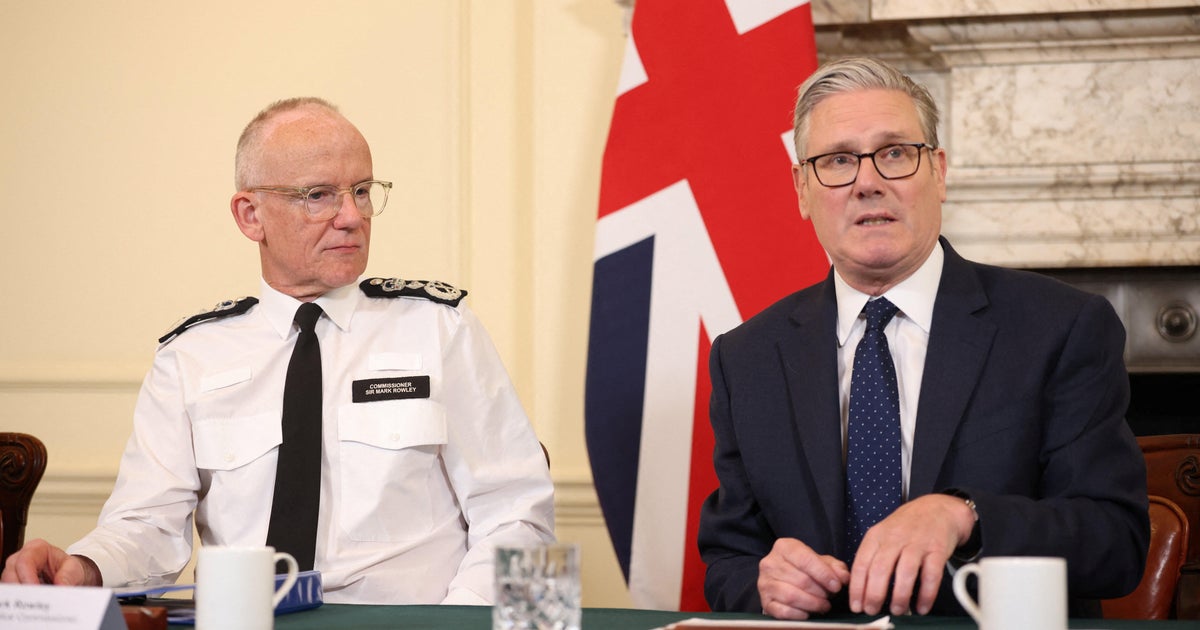
Prime Minister Keir Starmer demonstrated the seriousness with which his government views this incident by personally visiting Golders Green on Thursday, the day after the attack. Accompanied by Met Police Commissioner Mark Rowley, Starmer met with emergency responders and convened a meeting of criminal justice agencies to coordinate the response. This visible leadership during a crisis moment is designed to reassure affected communities that their concerns are being heard at the highest levels of government. Mayor Khan also voiced strong support for London’s Jewish residents, emphasizing that authorities are “doing everything possible to protect our city and keep all of our communities safe.” These aren’t just empty political statements—they represent commitments to allocate resources, increase patrols in vulnerable areas, and work closely with community leaders to address security concerns. The rapid classification of the incident as terrorism, rather than a simple criminal matter, also signals the government’s recognition that this attack was motivated by hatred and designed to instill fear in a specific community. This designation allows for different investigative tools and potentially harsher penalties, while also validating the legitimate fears of Jewish residents who have felt increasingly vulnerable.
Community Frustration and Calls for Action
Despite the government’s expressions of concern and promises of protection, the response from some Golders Green residents reveals deep frustration and a sense that official actions haven’t matched the severity of the problem. When Prime Minister Starmer visited the area, he was met not only with emergency responders but also with protesters demanding that the government do substantially more to safeguard their community. This public demonstration of discontent highlights a growing disconnect between official reassurances and the lived experience of Jewish Londoners who feel under siege. Dov Forman, a 22-year-old author and activist living in the area, captured this sentiment perfectly when speaking to CBS News. His words were chilling in their resignation: “No one here is shocked or surprised that this has happened. We all knew after previous attacks that this was not a question of if there would be another attack, but simply when.” This statement reveals a community living with a constant sense of dread, expecting violence rather than being surprised by it. When citizens begin to view attacks as inevitable rather than exceptional, it indicates a profound failure of security and community protection. Forman’s comments also suggest that warning signs and previous incidents weren’t adequately addressed, leaving residents feeling abandoned and vulnerable.
The Broader Context of Rising Antisemitism
The Golders Green attacks don’t exist in a vacuum—they’re part of a disturbing broader trend of rising antisemitism throughout Europe and beyond. Jewish communities across the UK have reported increasing incidents of harassment, vandalism, and violence, particularly following periods of heightened tension in the Middle East. Golders Green itself holds special significance as one of London’s most recognizable Jewish neighborhoods, home to synagogues, kosher businesses, and a vibrant Jewish cultural life. This makes it both a symbol of Jewish presence in Britain and, tragically, a target for those motivated by antisemitic hatred. The fact that this latest attack came just a month after arsonists targeted Jewish ambulances suggests either an emboldened individual attacker or possibly coordinated efforts by extremist elements. The government’s acknowledgment that threats are coming from both Islamist extremism and far-right terrorism reflects the complex nature of contemporary antisemitism, which draws from different ideological wells but converges on Jewish communities as targets. This dual-source threat makes prevention particularly challenging, requiring security services to monitor and counter radicalization across the political spectrum rather than focusing on a single extremist movement.
Moving Forward: Protection and Resilience
As the UK adjusts to operating under a “severe” threat level, the challenge ahead involves balancing enhanced security with maintaining the open, tolerant society that British citizens value. For Jewish communities like Golders Green, this means continuing daily life—attending synagogue, running businesses, sending children to school—while remaining aware of heightened risks. Security measures will likely include increased police patrols in Jewish neighborhoods, enhanced protection for Jewish institutions, and improved intelligence sharing between community organizations and law enforcement. Beyond physical security, there’s also a pressing need to address the ideological roots of antisemitism through education, community dialogue, and firm legal consequences for hate crimes. The government faces scrutiny over whether its responses represent genuine, effective action or merely symbolic gestures following attacks. For residents like Dov Forman who have lost faith in official protection, rebuilding trust will require sustained effort, visible results, and accountability when security measures fall short. The Jewish community’s resilience in the face of these threats is remarkable, but resilience shouldn’t be confused with acceptance. No community should have to live with the expectation that the next attack is simply a matter of time. As Britain confronts this elevated threat level, the true measure of success won’t be the security classification assigned by officials, but whether Jewish families feel safe walking their neighborhood streets without fear.