
Mexico Demands Proof Before Extraditing Governor Accused of Drug Trafficking
A High-Stakes Political Drama Unfolds
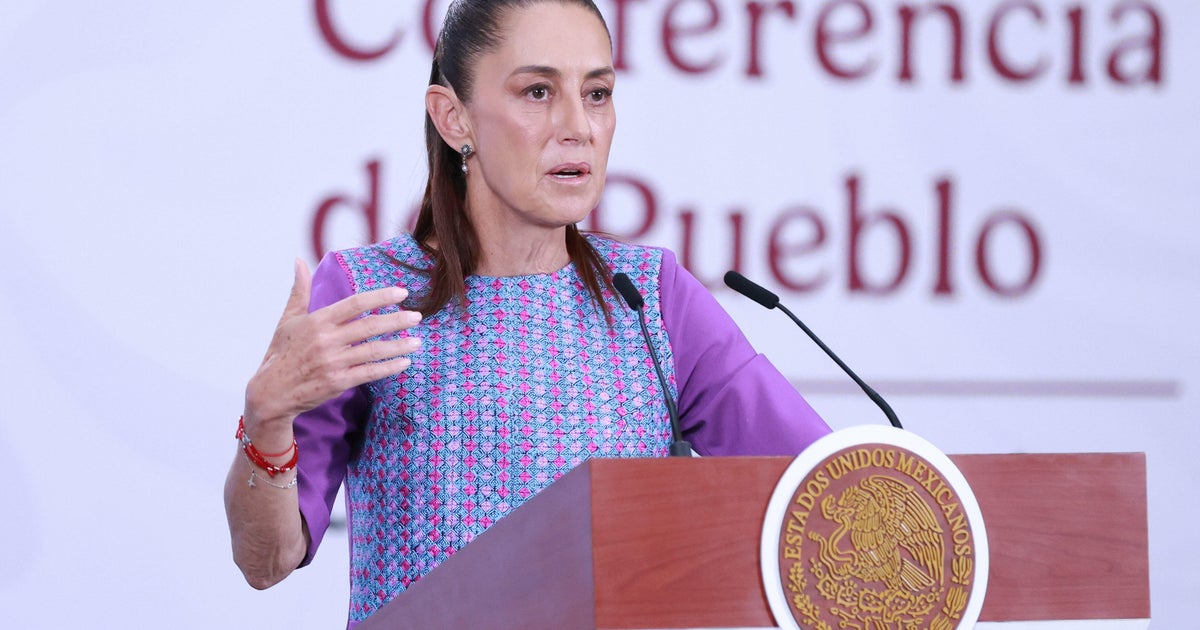
In a development that has sent shockwaves through Mexican politics, President Claudia Sheinbaum finds herself navigating treacherous waters between international cooperation and national sovereignty. On Thursday, she addressed explosive charges from the U.S. Justice Department that have placed one of her own political allies squarely in the crosshairs of American law enforcement. The accusations target Sinaloa Governor Ruben Rocha Moya, along with nine other officials, claiming they’ve been working hand-in-glove with one of the world’s most dangerous criminal organizations—the infamous Sinaloa cartel. At her morning news conference, President Sheinbaum made her position clear: Mexico won’t simply rubber-stamp any extradition request without seeing concrete, undeniable evidence. This isn’t just about one governor or one case—it’s about respecting Mexican legal sovereignty while also addressing the very real problem of corruption that has plagued the country for generations. The president’s careful balancing act reflects the delicate position Mexico finds itself in, caught between cooperating with its northern neighbor and defending its right to handle its own legal affairs according to its own standards.
The Accusations and What They Mean
The charges unveiled by the U.S. Justice Department on Wednesday paint a disturbing picture of corruption at the highest levels of state government. According to American prosecutors, Governor Rocha Moya and his co-defendants allegedly facilitated the distribution of “massive quantities” of narcotics into the United States, essentially serving as enablers for the Sinaloa cartel’s billion-dollar drug empire. What makes these accusations particularly significant is their unprecedented nature—this marks the first time U.S. authorities have publicly leveled narcotrafficking charges against a sitting Mexican governor or officials of such high rank. The implications are staggering, not just for those accused but for the entire political establishment in Mexico. Rocha Moya, who has governed the violence-plagued state of Sinaloa since 2021, belongs to President Sheinbaum’s own Morena party, making this a deeply uncomfortable situation for the current administration. The evidence presented so far includes what Sheinbaum described as a piece of paper allegedly documenting bribe payments to the accused politicians—evidence that, by itself, seems thin to Mexican authorities who are demanding much more substantial proof before taking action.
The Governor Fights Back
Governor Rocha Moya wasted no time in mounting his defense, taking to social media with a forceful denial that characterized the American charges as nothing less than an assault on Mexican sovereignty. In a statement posted to X (formerly Twitter), he “categorically and absolutely” rejected the accusations, framing them not as legitimate law enforcement but as a “perverse strategy to violate the constitutional order” of Mexico. His language was carefully chosen, positioning himself not as a corrupt official but as a defender of national independence against foreign interference. This narrative resonates deeply in Mexico, where memories of American intervention and perceived disrespect for Mexican autonomy remain sensitive topics across the political spectrum. Rocha Moya’s defiant stance also reflects his close ties to former President Andrés Manuel López Obrador, Sheinbaum’s political mentor, who built his entire career on anti-corruption rhetoric and nationalist appeals. The governor was a vocal supporter of López Obrador’s controversial “Hugs, Not Bullets” policy, which deliberately avoided direct military confrontation with powerful drug cartels in favor of addressing root causes of violence—a strategy that critics argue allowed organized crime to flourish with relative impunity during the previous administration.
The Shadow of the Sinaloa Cartel
To understand the gravity of these charges, one must appreciate the terrifying power and reach of the Sinaloa cartel itself. The indictment specifically alleges that the accused officials aligned themselves with a faction known as “Los Chapitos”—the sons of Joaquín “El Chapo” Guzmán, perhaps the most famous drug lord in modern history, now serving a life sentence in an American supermax prison. According to previous U.S. court documents from 2023, the Chapitos and their associates have employed methods of torture and murder that seem pulled from humanity’s darkest nightmares: corkscrews, electrocution, hot chiles used to inflict unimaginable pain on rivals, and victims fed to tigers while still alive. These aren’t abstract criminal charges about moving drugs across borders—they’re accusations of complicity with an organization that has left countless dead and terrorized entire regions of Mexico. The indictment further alleges that some of the named officials didn’t just turn a blind eye to cartel activities but actively participated in campaigns of violence and retribution. If proven true, these charges would represent corruption not merely as financial impropriety but as direct involvement in crimes against humanity, transforming public servants into accomplices to systematic brutality.
The Evidence Question and Legal Standards
At the heart of this international standoff lies a fundamental question: what constitutes sufficient evidence to warrant extradition? President Sheinbaum laid out Mexico’s position with lawyerly precision at her press conference, explaining that her government would comply with extradition requests only if the Attorney General’s office “receives solid and irrefutable evidence in accordance with Mexican law” or if Mexico’s own investigations uncover criminal elements. This isn’t an unreasonable standard—nations routinely require substantial evidence before surrendering their citizens or officials to foreign prosecution. However, Sheinbaum added a pointed caveat: if adequate evidence isn’t provided or discovered through Mexican investigations, it would suggest that “the goal of these Justice Department accusations is political.” This statement reveals the deep mistrust that can exist even between allied nations when sovereignty is at stake. The president essentially accused the United States of potentially weaponizing criminal charges for political purposes, a serious allegation that reflects broader tensions in U.S.-Mexico relations. Her insistence on “irrefutable evidence” also serves a domestic political purpose, allowing her to appear tough on both crime and foreign interference simultaneously—a difficult tightrope for any leader to walk.
Implications for Mexico’s Future
This case represents far more than the fate of one governor or even ten officials—it’s a test case for how Mexico will handle corruption allegations in an era when international cooperation on organized crime is more critical than ever. President Sheinbaum’s declaration that “we aren’t going to protect anyone” sounds reassuring, but her simultaneous insistence on Mexican legal standards and her warning about political motivations creates significant wiggle room that could ultimately shield the accused if evidence doesn’t meet her administration’s standards. The political complications are immense: prosecuting members of her own Morena party could fracture the coalition that brought her to power, yet failing to act on credible evidence would validate criticisms that Mexican officials enjoy impunity when it comes to cartel corruption. The case also highlights the ongoing challenge Mexico faces in controlling territory within its own borders, particularly in states like Sinaloa where cartel influence runs deep and the line between legitimate authority and criminal power has become dangerously blurred. For ordinary Mexicans who have suffered through decades of cartel violence, corruption scandals, and broken promises from politicians, this latest revelation offers little hope for meaningful change. The outcome of this case—whether the accused face justice in American courts, Mexican courts, or no courts at all—will send a powerful signal about whether the system can truly hold powerful people accountable or whether connections and political considerations will once again trump the rule of law.