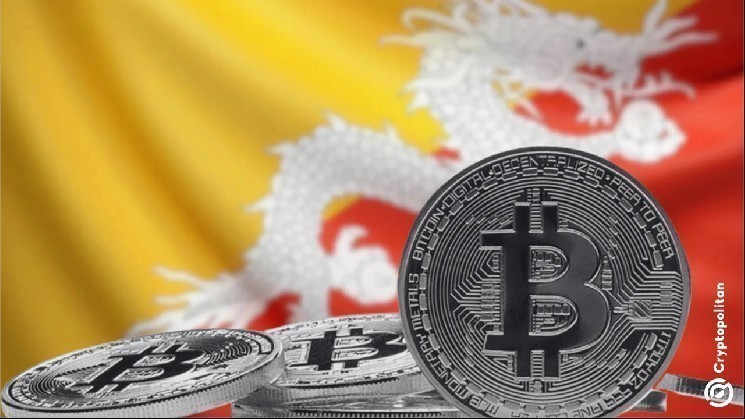

Bhutan’s Strategic Bitcoin Management: A Small Nation’s Big Crypto Game
A Measured Approach to Digital Asset Management
In the quiet, mountainous kingdom of Bhutan, a fascinating financial story is unfolding that challenges conventional wisdom about government cryptocurrency holdings. Throughout 2026, this small Himalayan nation has been carefully managing its substantial Bitcoin reserve, transferring over $42 million in digital assets while maintaining a impressive national crypto treasury valued at nearly $374 million. What makes Bhutan’s approach particularly noteworthy is the deliberate, cautious manner in which the government has been handling these transactions. Rather than panic-selling during market volatility or making dramatic liquidations that could destabilize their holdings, Bhutan has adopted a steady, methodical strategy of small, regular transfers. According to blockchain analysis from Arkham Intelligence, the country moved 175 Bitcoin worth approximately $11.85 million on a Monday in early 2026, representing just one in a series of modest transactions. The previous month saw another transfer of around $6.8 million in Bitcoin, demonstrating a consistent pattern of strategic asset management that preserves the bulk of the nation’s digital wealth while providing liquidity when needed.
The Power of Patience: Bhutan’s Long-Term Vision
The government’s restrained approach speaks volumes about how Bhutan views Bitcoin—not as a speculative asset to be traded aggressively, but as a long-term sovereign reserve worth protecting and nurturing. Despite moving tens of millions of dollars in cryptocurrency, Bhutan still maintains approximately 5,600 Bitcoin in government wallets, currently valued at around $381 million at prevailing market rates. These substantial holdings are managed by Druk Holding & Investments, the government’s sovereign investment arm, which has demonstrated remarkable discipline in its selling strategy. Financial analysts tracking these movements have observed that Bhutan typically sells Bitcoin in carefully measured portions, usually ranging between $5 million and $10 million per transaction. This pattern reveals a sophisticated understanding of market dynamics and treasury management—large enough transactions to meet governmental needs, but small enough to avoid triggering market reactions or unnecessarily depleting the national reserve. This balanced approach allows Bhutan to benefit from its cryptocurrency holdings while maintaining a significant buffer of digital assets for future needs.
Mining Bitcoin the Green Way: Hydropower’s Unexpected Benefit
Perhaps the most remarkable aspect of Bhutan’s Bitcoin story is how the nation accumulated such substantial digital wealth in the first place. Unlike many investors who purchased cryptocurrency through exchanges, Bhutan primarily mined its Bitcoin holdings directly, leveraging one of the country’s most abundant natural resources: hydroelectric power. The small Himalayan kingdom is blessed with numerous fast-flowing rivers and significant elevation changes, creating ideal conditions for generating clean, renewable hydroelectricity. Rather than simply exporting this power or using it solely for domestic consumption, Bhutan made the forward-thinking decision to channel this inexpensive, environmentally friendly energy into large-scale Bitcoin mining operations. This innovative approach allowed the country to accumulate cryptocurrency without the financial risk of making massive market purchases, effectively converting abundant renewable energy into digital assets. By mining Bitcoin rather than buying it, Bhutan quietly assembled one of the world’s most significant government-backed cryptocurrency positions, demonstrating how developing nations with the right natural resources can participate meaningfully in the digital economy.
From Peak to Present: Navigating Bitcoin’s Volatility
Bhutan’s Bitcoin journey has not been without its dramatic moments and market challenges. In July 2025, the nation made headlines when it transferred a much larger quantity of Bitcoin—over $60 million in just four days. At that time, government wallets contained more than 11,000 Bitcoin, collectively valued at approximately $1.4 billion, representing an astonishing proportion of wealth for such a small economy. Contemporary reports indicated that Bhutan’s Bitcoin holdings were valued at over 40% of the nation’s entire GDP, an almost unprecedented concentration of national wealth in a single digital asset. Since those heady days, the cryptocurrency market has experienced significant turbulence, with Bitcoin trading near $119,000 at its peak before falling to roughly $69,000 more recently. This substantial price decline has naturally affected the nominal value of Bhutan’s holdings, yet the country’s crypto reserve remains considerable by any measure. The fact that Bhutan has maintained its position despite this volatility, rather than liquidating in panic during the downturn, further demonstrates the government’s conviction that Bitcoin represents a viable long-term store of value and strategic reserve asset for the nation’s future.
A Global Perspective: How Nations Are Embracing Bitcoin
Bhutan’s cryptocurrency holdings, while impressive for a small nation, exist within a broader context of growing governmental interest in Bitcoin worldwide. The United States currently maintains the largest known government Bitcoin reserve, with estimates suggesting holdings of roughly 328,000 Bitcoin valued at around $22 billion, representing approximately 1.64% of Bitcoin’s total supply. However, the origin of American Bitcoin holdings differs significantly from Bhutan’s mining approach—the vast majority came from law enforcement seizures connected to cybercrime investigations and darknet marketplace shutdowns. The United Kingdom ranks second by value, holding approximately 61,000 Bitcoin worth around $4 billion, or about 0.31% of total supply, similarly acquired primarily through financial crime cases and asset forfeitures. These acquisition methods stand in stark contrast to more deliberate cryptocurrency strategies adopted by other nations who view Bitcoin as something more than just confiscated criminal proceeds.
Diverse National Strategies: From Legal Tender to Mining Operations
The spectrum of governmental approaches to Bitcoin extends well beyond seizure and mining. El Salvador has taken perhaps the boldest stance, officially adopting Bitcoin as legal tender and actively purchasing cryptocurrency as a matter of national policy. The Central American nation now holds approximately 7,500 Bitcoin worth about $515 million, accumulated through deliberate market purchases rather than mining or seizure. In the United Arab Emirates, the state-owned agency Citadel Mining reportedly controls about 6,800 Bitcoin valued at an estimated $461 million, holdings that tie directly to extensive cryptocurrency mining operations similar to Bhutan’s approach. Meanwhile, Russia’s government is believed to own around 1,000 Bitcoin worth roughly $70 million, representing about 0.004% of total Bitcoin supply. Within this global landscape, Bhutan’s estimated 5,600 Bitcoin, valued at approximately $381 million and held through its sovereign investment arm, represents a significant position—particularly impressive given the nation’s small size and limited economy. The Bhutanese model of leveraging renewable energy resources to mine cryptocurrency, then managing those holdings as strategic reserves with disciplined, modest sales, offers an intriguing blueprint for other developing nations blessed with clean energy resources but limited traditional capital. As governments worldwide continue exploring cryptocurrency’s role in national finance, Bhutan’s patient, methodical approach may prove influential in shaping how smaller nations can meaningfully participate in the digital asset revolution.