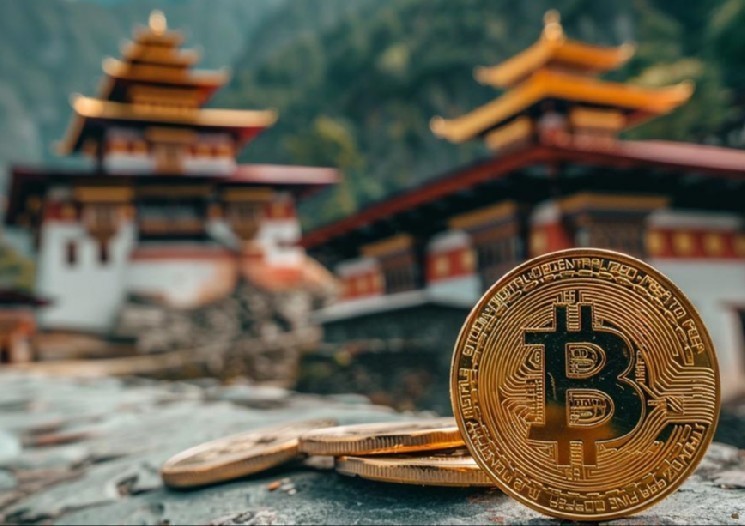

Bhutan’s Strategic Bitcoin Movements: A Small Nation’s Big Crypto Play
The Latest Transfer Signals Continued Activity
The small Himalayan kingdom of Bhutan has once again caught the attention of the cryptocurrency world with its latest Bitcoin transactions. According to recent tracking by Arkham Intelligence, a respected cryptocurrency data platform, the Bhutanese government has moved approximately $11 million worth of Bitcoin from its primary wallet addresses. This isn’t just a random shuffle of digital assets—analysts believe this transfer represents part of Bhutan’s ongoing strategy to occasionally liquidate portions of its cryptocurrency holdings. For a nation better known for measuring Gross National Happiness than for cryptocurrency trading, Bhutan’s continued presence in the digital asset space demonstrates how even traditionally conservative governments are adapting to new financial realities. The movement of such significant funds shows that Bhutan isn’t merely holding Bitcoin as a curiosity but actively managing these assets as part of its national investment strategy. What makes this particularly interesting is that Bhutan has developed a pattern of behavior that suggests careful, deliberate planning rather than panic selling or impulsive decisions.
A Pattern of Measured Sales Emerges
Bhutan’s approach to managing its Bitcoin reserves reveals a thoughtful strategy that favors gradual liquidation over dramatic moves. Approximately one month before this latest $11 million transfer, the country conducted a similar transaction worth around $7 million, reportedly working in partnership with QCP Capital, a well-known player in the cryptocurrency trading space. By examining the on-chain data—the permanent record of transactions stored on the blockchain—a clear pattern emerges: the Bhutanese government consistently prefers to sell its Bitcoin in relatively small increments, typically ranging between $5 million and $10 million per transaction. This measured approach suggests financial sophistication and risk management awareness. Rather than attempting to time the market perfectly with large, infrequent sales, Bhutan appears to be dollar-cost averaging in reverse, spreading out its sales to minimize market impact and reduce exposure to Bitcoin’s notorious price volatility. Interestingly, analysts have noticed that this selling activity tends to intensify during a specific timeframe—between mid and late September 2025—which could indicate either seasonal budget requirements or a strategic assessment of market conditions during this period.
The Scale of Bhutan’s Crypto Holdings
The numbers behind Bhutan’s cryptocurrency portfolio are genuinely impressive, especially considering the nation’s small size and population of fewer than 800,000 people. According to comprehensive data from Arkham Intelligence, Bhutan’s state investment arm, Druk Holdings & Investments, maintains control over an extensive network of approximately 222 different wallet addresses. Together, these wallets contain cryptocurrency assets valued at more than $374 million—a staggering sum for a country with a GDP of only around $3 billion. This means that Bhutan’s known cryptocurrency holdings represent more than 10% of its entire economic output, an extraordinarily high percentage that would be unthinkable for larger, more economically diverse nations. The vast majority of this digital wealth is concentrated in Bitcoin, with Bhutan holding approximately 5,425 BTC worth roughly $374 million at current market prices. The government also maintains a small position in Ethereum, the second-largest cryptocurrency by market capitalization, holding about 28 ETH valued at approximately $57,000. While this Ethereum holding is minimal compared to the Bitcoin reserves, it suggests that Bhutan is at least monitoring alternative cryptocurrencies and maintaining some degree of portfolio diversification.
How Did Bhutan Accumulate Such Wealth?
The story of how a small, landlocked nation tucked away in the Himalayas came to possess hundreds of millions of dollars in Bitcoin is fascinating and unique. Unlike countries that might have purchased cryptocurrency on the open market or received it through international transactions, Bhutan took a different path entirely: Bitcoin mining. The country’s abundant hydroelectric resources, generated by rivers flowing down from the snow-capped peaks of the Himalayas, provide cheap, renewable electricity—the most significant cost in Bitcoin mining operations. Rather than simply exporting this electricity or using it exclusively for domestic needs, Bhutanese authorities recognized an opportunity to leverage this natural advantage for cryptocurrency mining. This forward-thinking approach allowed Bhutan to accumulate Bitcoin during periods when mining was still relatively accessible and before the most recent price surges pushed Bitcoin to new heights. The government’s involvement in mining—rather than leaving it entirely to private enterprise—reflects Bhutan’s broader economic philosophy, which includes significant state participation in strategic industries. By mining rather than buying, Bhutan avoided putting pressure on its foreign currency reserves while building a substantial position in what has become one of the world’s best-performing assets over the past decade.
Global Context: Bhutan Among Nation-State Bitcoin Holders
Bhutan’s cryptocurrency activities place it in a select group of nations that have accumulated substantial Bitcoin holdings, though the circumstances vary dramatically. The United States government holds the largest known Bitcoin reserves among nations, though most of these were seized from criminal enterprises rather than strategically acquired. El Salvador made global headlines by becoming the first country to adopt Bitcoin as legal tender and has been steadily accumulating Bitcoin through direct purchases, though its holdings remain smaller than Bhutan’s. What distinguishes Bhutan from most other government Bitcoin holders is the methodical, business-like approach to managing these assets. Rather than making political statements or gambling on cryptocurrency ideology, Bhutan appears to treat its Bitcoin holdings as exactly what they are: volatile assets that require active management and occasional liquidation to serve the nation’s broader economic needs. The fact that transactions are handled through established trading partners like QCP Capital, rather than through amateur exchanges or peer-to-peer platforms, further demonstrates this professional approach. As more nations explore cryptocurrency as either a reserve asset, a payment system, or a source of revenue, Bhutan’s example of quiet competence may prove more influential than the more publicized approaches taken by cryptocurrency enthusiasts in government elsewhere.
Looking Ahead: Implications and Uncertainties
The recent Bitcoin movements by Bhutan raise several intriguing questions about the country’s future cryptocurrency strategy and the broader implications for small nations in the digital asset space. Will Bhutan continue its gradual liquidation strategy, or are these sales merely rebalancing exercises while the country maintains a long-term Bitcoin position? The timing of increased sales activity in September might suggest alignment with fiscal year planning or budget cycles, indicating that cryptocurrency proceeds are being directed toward specific government projects or obligations. There’s also the question of whether Bhutan continues to mine Bitcoin or if it has shifted to simply managing its existing reserves. As Bitcoin mining becomes increasingly competitive and energy-intensive, even countries with cheap hydroelectric power must constantly evaluate whether mining remains economically advantageous compared to alternative uses of that electricity. For other small nations watching Bhutan’s example, the key lesson may be that natural resource advantages—whether hydroelectric power, geothermal energy, or stranded natural gas—can be converted into cryptocurrency holdings that provide both diversification and potential revenue. However, it’s crucial to remember that cryptocurrency markets remain highly volatile and unpredictable, and what has worked successfully for Bhutan might not be appropriate for every country’s circumstances. As this small Himalayan kingdom continues its quiet cryptocurrency experiment, the international community will be watching to see whether Bhutan’s approach becomes a model for other resource-rich but capital-poor nations seeking new paths to prosperity in an increasingly digital global economy.