
Ray Dalio’s Warning: Why the Debt Crisis Could Reshape Money as We Know It
The Unsustainable Debt Burden Threatening America’s Future
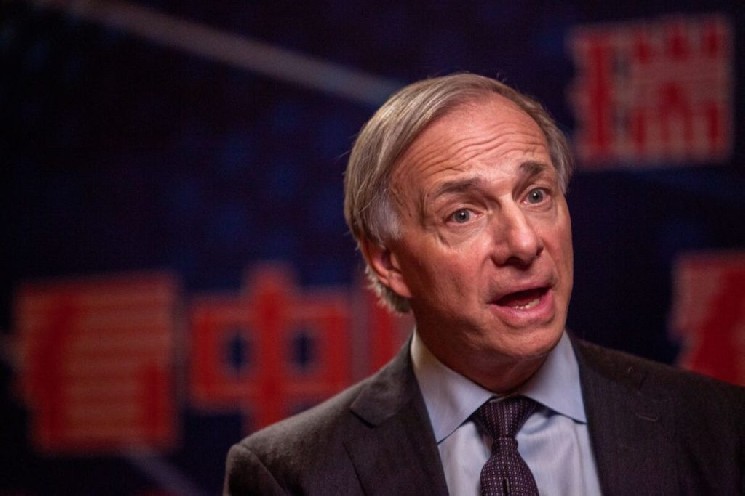
Ray Dalio, the billionaire investor who built Bridgewater Associates into one of the world’s largest hedge funds, isn’t mincing words about where the global economy is headed. In his recent public appearances, he’s been sounding alarm bells about something most of us would rather not think about: the crushing weight of government debt that’s becoming impossible to ignore. According to Dalio, the United States is currently running a budget deficit that represents 6% of its entire economic output—a number that might not mean much to the average person, but to economists and investors, it’s a flashing red warning sign.
What makes this particularly concerning, Dalio explains, is that we’ve been down this road before throughout history, and it always ends the same way: governments start printing more money. It’s the oldest trick in the book when you owe more than you can possibly pay back—just create more currency to cover your debts. The problem is that this approach inevitably leads to inflation, where the money in everyone’s pockets becomes worth less and less. Dalio believes we’re witnessing something profound happening right now: a mass exodus from traditional “fiat” currencies (money that’s backed by nothing but government promises) toward assets that have real, tangible value. Both individual investors and even central banks are starting to question whether they should be holding dollars, euros, or yen when those currencies could be devalued at any moment through money printing.
Why Gold Is Winning While Bitcoin Struggles to Compete
While many cryptocurrency enthusiasts have long predicted that Bitcoin would become “digital gold”—a safe place to park your wealth during economic uncertainty—Dalio points out that reality hasn’t quite matched that vision. Gold prices have been climbing to all-time highs, with investors flocking to the precious metal as economic anxieties mount. Bitcoin, on the other hand, hasn’t been playing the role many expected it to fill. So what’s going on?
Dalio identifies several key reasons why Bitcoin hasn’t achieved the “safe haven” status that gold enjoys. First and foremost is the issue of traceability. Every Bitcoin transaction is recorded on a public ledger that anyone can examine. While cryptocurrency advocates often tout this transparency as a feature, Dalio notes it’s actually a significant bug when it comes to institutional adoption, particularly by central banks. Governments and central banks have been accumulating gold for thousands of years precisely because it’s a physical asset they can control and store without creating a permanent public record of every transaction. The idea of a central bank building Bitcoin reserves when every purchase and sale would be visible to the entire world—including rival nations—is simply not practical from a strategic standpoint.
There’s also the matter of how Bitcoin actually behaves in the market. Despite the narrative that it should act as a hedge against economic turmoil, Dalio observes that Bitcoin has shown a troubling tendency to move in lockstep with technology stocks. When the stock market is flowing with easy money and investors are feeling confident, Bitcoin tends to rise. But when liquidity dries up and investors get nervous, Bitcoin often falls right alongside risky tech stocks rather than holding its value like gold typically does. This correlation suggests that, at least for now, the market treats Bitcoin more like a speculative technology investment than a reliable store of value. Additionally, Dalio points out that the Bitcoin market remains relatively tiny compared to the gold market, making it more vulnerable to price manipulation and wild swings that would never be tolerated in a true reserve asset.
Dalio’s Portfolio Strategy: Why He Recommends Old-School Assets
When it comes to protecting your wealth in these uncertain times, Dalio offers surprisingly traditional advice. He recommends that investors allocate between 5% and 15% of their portfolios to what he calls “solid assets,” with gold being the primary example. What’s refreshing about Dalio’s approach is that he doesn’t come at this from an ideological position—he’s not a “gold bug” who believes in returning to the gold standard or thinks paper money is inherently evil. Instead, he describes his thinking as practical, like a mechanic diagnosing what’s wrong with a car and recommending the fix that will actually work.
His cautious stance on cryptocurrencies stems from questions that don’t have clear answers yet. Specifically, Dalio worries about how rapidly advancing technology might impact the security of digital assets. Artificial intelligence is already becoming incredibly sophisticated, and quantum computing—while still largely experimental—promises computing power that could potentially break the encryption that keeps cryptocurrencies secure. These aren’t abstract, distant concerns; they’re technological developments happening right now that could fundamentally undermine the security promises that digital currencies are built upon. For someone managing billions of dollars, these uncertainties are enough to warrant serious caution, even if the cryptocurrency community dismisses such concerns.
We’re at a Historical Turning Point in the Debt Cycle
Perhaps Dalio’s most sobering observation is about where we are in the grand sweep of economic history. He describes the current moment as the “5th phase” of a major debt cycle—essentially, we’re at the point where the bill is coming due after decades of borrowing and spending. This phase, according to Dalio’s analysis of historical patterns, is characterized by heightened internal conflicts within countries and increased geopolitical tensions between nations. If you look around at the political polarization within Western democracies and the rising tensions between major powers globally, his assessment seems difficult to argue with.
What happens in this phase of the debt cycle? According to historical precedent, societies are forced to confront fundamental questions about the nature of money itself. When the existing system becomes unsustainable—when governments owe so much that there’s no realistic way to pay it back through normal economic growth and taxation—something has to give. Dalio predicts that governments will resist losing control over monetary systems, which means they’ll be reluctant to embrace assets like Bitcoin that they can’t directly manipulate or control. Instead, the more likely path is the one we’ve seen repeatedly throughout history: printing money to inflate away the debt. This creates a vicious cycle where the value of traditional currencies declines, pushing more investors toward alternative stores of value, which then prompts even more money printing, and so on.
The Coming Redefinition of Money and What It Means for You
What makes Dalio’s analysis particularly compelling is that he’s not predicting some exotic, unprecedented scenario. He’s simply noting that we’re following a well-worn historical path that civilizations have traveled many times before. The Roman Empire debased its currency. Weimar Germany printed itself into hyperinflation. More recently, Venezuela and Zimbabwe have shown what happens when governments lose control of their monetary systems. The United States and other major economies are in a different league, of course, with much deeper financial markets and more sophisticated tools at their disposal. But the fundamental mathematics of debt don’t care about sophistication—at some point, the numbers simply don’t work anymore.
This is why Dalio believes we’re heading toward a period that will “redefine what money is.” For most of modern history, money has been whatever the government said it was—paper bills and digital entries in bank accounts, backed by nothing more than faith in the government’s stability and promises. As that faith erodes under the weight of unsustainable debt, people naturally start looking for alternatives. Gold has been the go-to alternative for thousands of years because it’s scarce, doesn’t corrode, and can’t be created at will by governments. Cryptocurrencies represent a newer alternative that offers some similar properties—digital scarcity, independence from government control—but without the thousands of years of track record that gold enjoys.
The investment implications are clear, at least according to Dalio’s framework: diversification into assets that will hold value regardless of what happens to government-issued currencies is becoming not just prudent but essential. Whether that means gold, other precious metals, real estate, or some allocation to cryptocurrencies despite their risks, the key is moving at least some portion of your wealth out of pure fiat currency exposure. At the same time, Dalio’s caution about cryptocurrencies reminds us that newer isn’t always better, and that the proven track record of traditional safe-haven assets shouldn’t be dismissed just because they seem old-fashioned. For the average person trying to protect their savings and plan for the future, Dalio’s message is both sobering and empowering: sobering because it acknowledges the serious economic challenges ahead, but empowering because it offers a practical framework for navigating those challenges rather than simply hoping everything works out.
This article is for informational purposes only and should not be considered investment advice. Always conduct your own research and consult with financial professionals before making investment decisions.