
Major Shake-Up in Crypto Rankings: BNB Overtakes XRP for Fourth Place
A Shifting Landscape in Digital Asset Markets
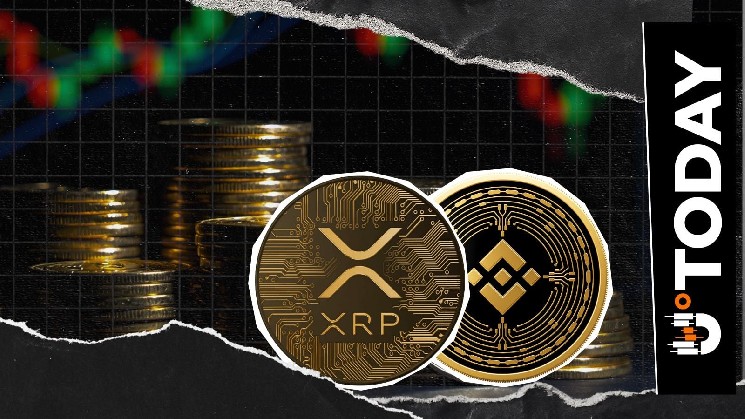
The cryptocurrency market has witnessed yet another significant reshuffle among its heavyweight contenders, with Binance’s native token BNB claiming the fourth spot in the global market capitalization rankings by edging out XRP. This development marks an important milestone in the ongoing competition among major digital assets and reflects broader trends in how investors are allocating their capital within the crypto ecosystem. According to the latest data from CoinMarketCap, one of the industry’s most trusted market tracking platforms, BNB has officially displaced XRP from its longstanding position as the fourth-largest cryptocurrency by total market value. This change didn’t happen overnight but represents the culmination of various market forces, investor preferences, and ecosystem developments that have been building momentum over recent months. The race for positions among the top cryptocurrencies has always been intense, but this particular shift carries special significance given the contrasting natures of these two digital assets and what they represent in the broader crypto landscape.
The Numbers Behind the Overtake
When we look at the actual figures driving this reshuffling, the competition becomes even more fascinating. BNB currently commands a market capitalization of approximately $85.86 billion, while XRP sits just slightly below at $85.77 billion—a razor-thin difference of merely $97 million separating the two giants. To put this in perspective, that gap represents less than 0.11% difference between the two assets, making this one of the tightest races for position in the top five cryptocurrencies we’ve seen in recent memory. In terms of individual token prices, BNB is trading at just over $629 per coin, while XRP maintains a price point around $1.39. These price levels, combined with their respective circulating supplies, create the market capitalizations that determine their rankings. What’s particularly interesting about the current market conditions is how both assets have performed during the latest 24-hour trading period. While both experienced moderate declines reflecting broader market volatility, BNB demonstrated notably stronger resilience, dropping by 2.27% compared to XRP’s steeper 2.9% decline. This relative strength during market downturns suggests that BNB may have more robust support from its investor base or may be benefiting from factors that are helping it weather market storms more effectively than its competitor.
Understanding What This Shift Really Means
This overtake isn’t just about numbers on a screen—it represents fundamental shifts in how the cryptocurrency market is evolving and where investors are placing their confidence. BNB’s ascension to fourth place reflects the growing influence and importance of the centralized finance (CeFi) segment within the broader crypto ecosystem. As the native token of Binance, the world’s largest cryptocurrency exchange by trading volume, BNB benefits from deep integration within a vast and rapidly expanding ecosystem. The token serves multiple purposes within the Binance platform, including reduced trading fees, participation in token sales on Binance Launchpad, payment for various services, and utility within the BNB Chain blockchain ecosystem. This multi-functional nature gives BNB what market analysts call “high utility value”—meaning it’s not just a speculative asset but has practical, everyday uses that drive genuine demand. On the other side of this equation, XRP has been navigating a complex regulatory landscape, particularly in the United States, where its issuer Ripley Labs has been engaged in a prolonged legal battle with the Securities and Exchange Commission. While Ripple has achieved some significant legal victories recently, the ongoing uncertainty has created headwinds for XRP’s market performance and may be contributing to investor hesitation, particularly regarding the approval and adoption of XRP-based exchange-traded funds (ETFs).
The Broader Context of Crypto Market Hierarchy
Looking at where BNB now stands in the overall cryptocurrency hierarchy provides valuable context for understanding the significance of this development. BNB now sits as the fourth-largest digital asset globally, trailing only three other crypto giants: Bitcoin, which remains the undisputed king of cryptocurrencies with a market cap far exceeding all others; Ethereum, the leading smart contract platform that has established itself as the backbone of decentralized finance and NFTs; and USDT (Tether), the dominant stablecoin that serves as the primary trading pair and liquidity vehicle across countless exchanges worldwide. This positioning is particularly noteworthy because it places BNB ahead of numerous other highly-regarded projects and establishes it firmly among the elite tier of digital assets that command serious attention from institutional investors, retail traders, and financial analysts alike. The fact that an exchange-native token has achieved such prominence speaks to the central role that major cryptocurrency exchanges play in the industry’s infrastructure and the value that markets place on tokens that offer practical utility within established ecosystems rather than purely speculative appeal.
Long-Term Trends and Strategic Implications
Market observers and analysts suggest that this reshuffling reflects broader, long-term trends in how capital is being redistributed within the cryptocurrency market. There’s a noticeable shift occurring where investors are increasingly favoring what industry insiders call “high-utility ecosystem tokens”—digital assets that offer diverse functionality and practical applications beyond simply serving as a store of value or medium of exchange. This trend represents a maturation of the cryptocurrency market, where initial hype and speculation are giving way to more fundamental considerations about actual use cases, network effects, and sustainable value propositions. BNB exemplifies this category perfectly, offering users tangible benefits across multiple dimensions: cost savings on trading fees, access to new investment opportunities through token launches, participation in governance decisions, and utility within an entire blockchain ecosystem that hosts thousands of decentralized applications. This strategic redistribution of liquidity toward utility-focused tokens suggests that the market is becoming more sophisticated in its valuation methodologies, moving beyond simple narratives and focusing more on tokens that demonstrate clear value creation for their holders and users.
What Comes Next in This Competitive Race
As we look ahead, the question on everyone’s mind is whether BNB can maintain this newly-claimed fourth position or if XRP will mount a comeback to reclaim its spot. Given the incredibly narrow margin separating these two assets—less than $100 million in a market where billions can shift in hours—the competition for fourth place is likely to remain fierce in upcoming trading sessions. Market participants and analysts are watching these fluctuations closely because they’re seen as important signals about investor sentiment and where institutional money is flowing. Several factors could influence the outcome of this ongoing battle: continued ecosystem development and adoption for BNB Chain could strengthen BNB’s position; regulatory clarity and potential ETF approvals could provide significant tailwinds for XRP; broader market conditions and Bitcoin’s price movements will likely impact both assets; and shifting investor preferences between CeFi and DeFi solutions may play a determining role. What’s certain is that this competition reflects the dynamic and rapidly-evolving nature of the cryptocurrency market, where positions are never permanently secure and where innovation, utility, and market sentiment combine to constantly reshape the landscape. For investors and observers alike, this reshuffling serves as a reminder that the crypto market remains in a state of active development, with established hierarchies subject to change based on real-world performance, ecosystem growth, and the ever-shifting preferences of a global community of participants seeking the digital assets that best align with their values, needs, and investment strategies.