
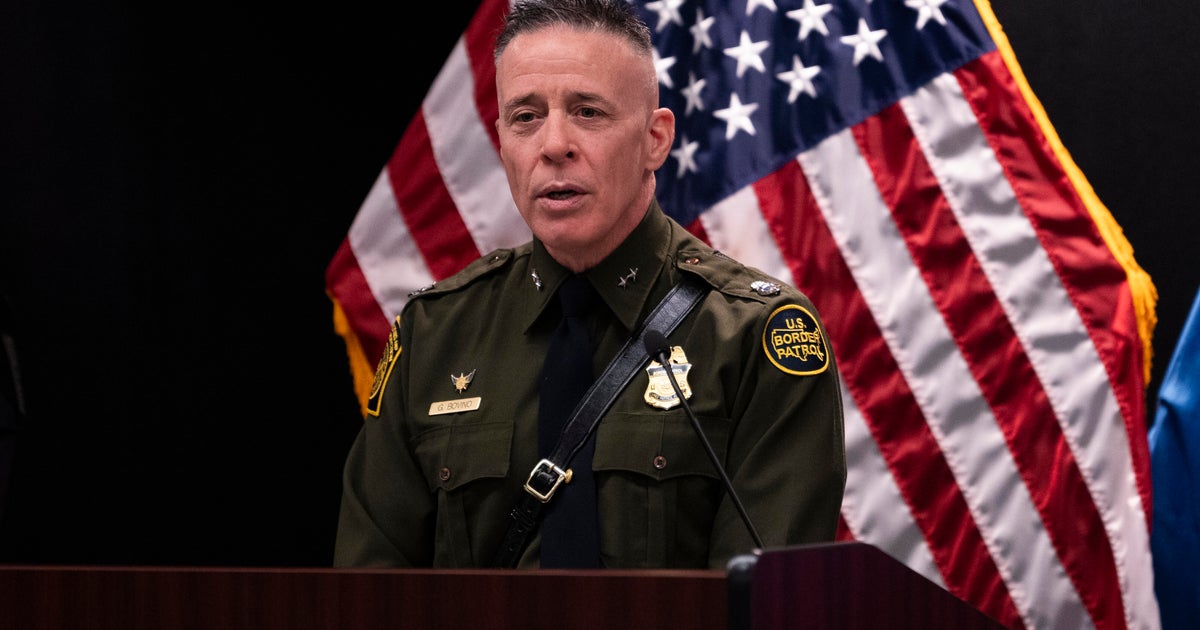

The Retirement of Gregory Bovino: A Controversial Figure in Immigration Enforcement Steps Down
A Career Cut Short After Controversy
Gregory Bovino, one of the most outspoken and visible figures in the Trump administration’s immigration enforcement efforts, is hanging up his badge at the end of this month. The longtime Border Patrol official’s retirement comes after he was abruptly removed from his high-profile position leading controversial immigration raids across major American cities. According to two sources with direct knowledge of the situation who spoke with CBS News, Bovino’s departure from federal service marks the end of a tumultuous chapter in modern immigration enforcement that saw Border Patrol agents deployed far from the southern border into America’s urban centers, where their presence and tactics sparked fierce debate about the limits of federal power and the treatment of immigrant communities.
Bovino’s career trajectory took a dramatic turn when he was elevated from his role as chief patrol agent of the El Centro sector along the California-Mexico border to become the face of sweeping immigration operations in cities nationwide. What followed was a series of raids that generated national headlines, community protests, and ultimately, tragedy that would lead to his removal from the role and, now, his complete exit from government service.
From Border Posts to City Streets: Bovino’s Controversial Deployment
The transformation of Bovino’s role began in June of last year when he and his team of green-uniformed Border Patrol agents were first dispatched to the Los Angeles area. This marked a significant shift in Border Patrol operations, taking agents who traditionally worked along the nation’s borders and deploying them deep into American cities to conduct immigration enforcement operations. In Los Angeles, Bovino’s teams conducted arrest operations that immediately sparked local outcry, with some of the most controversial incidents occurring at Home Depot parking lots—places where day laborers and immigrant workers commonly gather seeking employment. These operations sent shockwaves through immigrant communities and raised questions about whether federal agents were overstepping their authority and targeting people based on appearance rather than actual violations of law.
Following the Los Angeles deployment, Bovino and his agents embarked on what would become a multi-city tour of immigration enforcement. In September, they arrived in Chicago, one of America’s largest cities with a substantial immigrant population. From there, they moved to Charlotte, then New Orleans, and ultimately to Minneapolis. In each city, their operations followed a similar pattern—aggressive sweeps aimed at apprehending individuals living in the country without authorization—and in each location, they encountered similar resistance. Local residents and city leaders consistently denounced the operations as heavy-handed, indiscriminate, and corrosive to community trust. Civil rights advocates argued that the raids created an atmosphere of fear that extended far beyond those actually targeted, affecting entire neighborhoods and communities.
Troubling Tactics and Growing Scrutiny
The methods employed by Border Patrol agents under Bovino’s command became a source of intense controversy and were captured in numerous videos that circulated widely on social media and news outlets. These recordings showed agents stopping individuals on city streets and in public spaces to question them about their immigration status. Perhaps most troubling to critics, some of these stops appeared to be motivated primarily by a person’s accent or appearance—raising serious concerns about racial profiling and violations of civil liberties. The images of green-uniformed federal agents demanding papers from people going about their daily lives in American cities evoked uncomfortable historical parallels and sparked debates about constitutional rights, including the Fourth Amendment protection against unreasonable searches and seizures.
Local government officials in the cities where Bovino’s teams operated frequently pushed back against the federal operations, with some arguing that they had not been properly notified or consulted before agents descended on their communities. Community organizations worked overtime to inform residents of their rights and to document instances where they believed agents had overstepped legal boundaries. Immigration attorneys reported being overwhelmed with calls from frightened community members, including U.S. citizens who feared being stopped and questioned. The operations created a climate of fear that advocates said extended to American citizens who happened to speak with an accent or who came from immigrant families, demonstrating how aggressive enforcement tactics can have ripple effects far beyond their intended targets.
The Fatal Minneapolis Incident and Bovino’s Removal
The turning point that would ultimately lead to Bovino’s removal from his high-profile role came in late January during operations in Minneapolis. In a series of incidents that shocked the nation, two U.S. citizens—Renee Good and Alex Pretti—were fatally shot during immigration enforcement operations in the city. The deaths of American citizens during what were supposed to be targeted immigration operations against undocumented individuals raised profound questions about the training, tactics, and oversight of these enforcement teams. The tragedy sparked immediate and widespread political backlash from across the political spectrum, with even some supporters of strict immigration enforcement expressing concern about how the operations were being conducted.
Bovino’s response to one of these killings became a flashpoint in itself. Immediately following Pretti’s death, and citing no evidence whatsoever, Bovino made the inflammatory claim that Pretti had intended to “massacre” federal agents. This statement, made without supporting facts, struck many observers as an attempt to justify the killing before any investigation had been conducted. It contradicted the basic principle that American citizens—or anyone in the United States—are presumed innocent and deserve due process before being accused of crimes, let alone serious criminal intent. The unsupported allegation appeared to be an effort to control the narrative and deflect criticism from the agents involved, but it backfired spectacularly. The claim was widely condemned by civil liberties organizations, immigrant advocates, and political figures who saw it as evidence of an enforcement mindset that had spun dangerously out of control. Shortly after the Minneapolis incidents and Bovino’s controversial statement, he was relieved of his role leading the multi-city operations.
The Broader Context and Implications
Bovino’s retirement represents more than just one official’s exit from government service—it symbolizes the end of a particularly aggressive chapter in American immigration enforcement. The use of Border Patrol agents in interior enforcement operations in major cities represented a significant expansion of the agency’s traditional role. Historically, Border Patrol agents have focused on securing the nation’s borders and patrolling areas near those borders. Deploying them into cities hundreds or thousands of miles from any international boundary represented a philosophical and operational shift that many critics argued went beyond the agency’s intended mandate and expertise.
The controversy surrounding these operations also highlighted ongoing tensions in American society about immigration policy and enforcement. While supporters of strict immigration enforcement applauded the aggressive approach and argued that federal agents were simply enforcing existing laws, critics contended that the tactics employed were disproportionate, discriminatory, and counterproductive. They pointed out that creating fear in immigrant communities makes those communities less likely to cooperate with law enforcement on other matters, report crimes, or come forward as witnesses—ultimately making everyone less safe. The debate over Bovino’s operations became a proxy for larger questions about what kind of country America wants to be and how it should balance enforcement of immigration laws with protection of civil liberties and maintenance of community trust. As Bovino prepares to leave federal service, these fundamental questions remain unresolved, ensuring that the debates his operations sparked will continue long after his retirement becomes official at the end of this month.