


Historic Boston Globe Halts Printing for First Time in 153 Years Due to Record Snowstorm
An Unprecedented Decision in Newspaper History
In a decision that marks a significant moment in American journalism history, The Boston Globe has announced that it will postpone printing its daily newspaper for the very first time since the publication was founded over 153 years ago. The culprit behind this historic pause wasn’t a financial crisis, a technological failure, or even a global pandemic—it was Mother Nature herself, delivering a devastating blizzard that made it simply impossible to continue the newspaper’s remarkable streak of daily production. For more than a century and a half, the dedicated press workers at The Boston Globe had battled through every conceivable challenge to ensure that Bostonians woke up to their morning paper. They’d worked through brutal New England winters, overcome mechanical breakdowns, navigated labor disputes, and even persevered through the COVID-19 pandemic. But this particular storm proved to be an adversary too formidable to overcome safely, forcing newspaper executives to make the difficult call to halt production of Tuesday morning’s edition.
Safety Concerns Drive the Difficult Decision
The decision to postpone printing wasn’t made lightly by Boston Globe Media executives, who understood the weight of breaking such a long-standing tradition. Josh Russell, the Vice President of Print Operations for Boston Globe Media, explained the reasoning behind this unprecedented move in stark terms that emphasized the human element of the decision. “We don’t take the decision lightly,” Russell stated, acknowledging the gravity of the situation. The concern wasn’t just about whether the paper could physically be printed—it was about the safety of the employees who would need to make it happen. Even if a crew could somehow make it through the blizzard conditions to reach the printing facility, management wasn’t confident they could safely load the newspapers onto delivery trucks. And even if they managed that feat, there was serious doubt about whether those trucks could complete “that last mile” to actually deliver papers to subscribers’ homes. The storm had essentially created an impossible situation where every step of the process—from staffing the printing press to final delivery—was compromised by dangerous conditions.
The Storm’s Devastating Impact on Operations
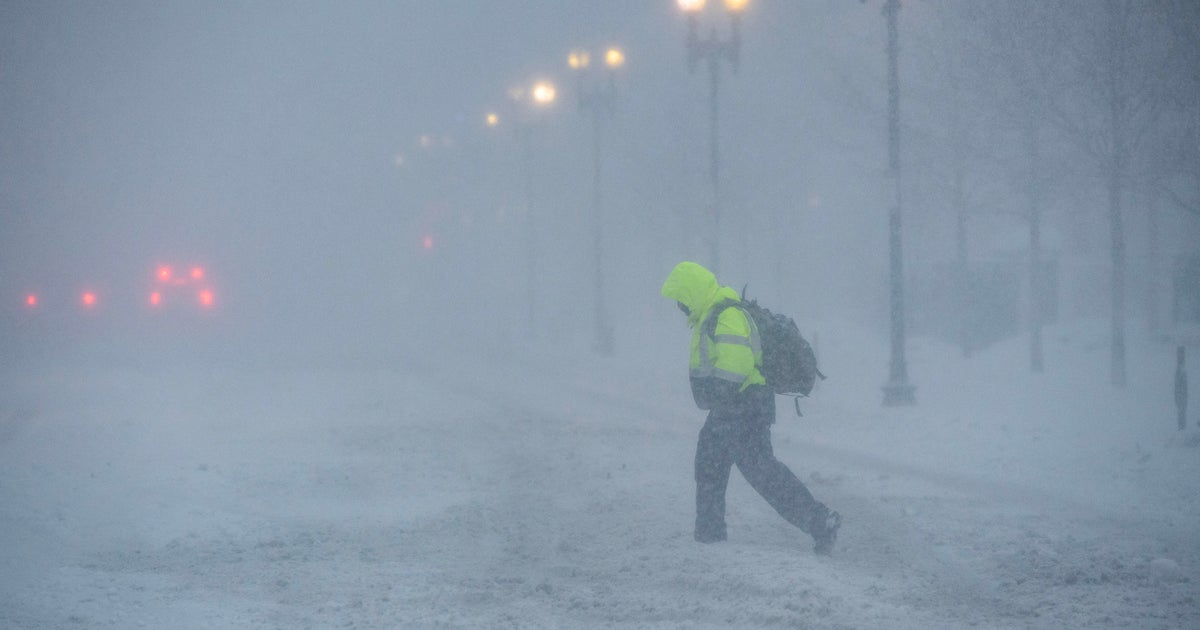
The blizzard that forced this historic decision was no ordinary winter storm. By Monday night, parts of Bristol County in Massachusetts, where The Boston Globe’s printing press is located in the town of Taunton, had already been buried under an astounding 32 inches of snow, according to reports from the National Weather Service. The combination of heavy snowfall and fierce winds created conditions that made travel not just difficult, but genuinely dangerous. The impact on the newspaper’s operations became evident even before the decision to halt Tuesday’s printing was made. Monday’s delivery numbers told a grim story: only 25 percent of that day’s newspapers actually made it to subscribers. This means that three out of every four Globe readers who expected their Monday paper never received it, as the mounting snow and deteriorating conditions prevented the normal distribution network from functioning. For a publication that prides itself on reliability and has maintained daily production through world wars, economic depressions, and natural disasters, these numbers represented an extraordinary breakdown in operations—one that ultimately led to the decision that Tuesday’s paper simply couldn’t happen.
Historical Context and Previous Challenges
To truly appreciate how significant this decision is, it’s worth looking back at The Boston Globe’s remarkable history of perseverance. Since its founding in 1872, the newspaper has faced numerous challenges that could have disrupted its daily publication schedule, yet it always found a way to continue printing. Labor strikes in the 1950s and 1960s did halt production, but those were decisions made by workers exercising their labor rights, not management decisions based on operational impossibility. Perhaps the most relevant historical comparison comes from nearly five decades ago, during another legendary New England blizzard. On February 7, 1978, Boston was hit with a record-setting storm that many longtime residents still remember vividly. During that historic blizzard, The Boston Globe made the heroic decision to continue printing, managing to produce a few thousand copies of that day’s edition. However, the victory was largely symbolic—while the papers were printed, piles of snow prevented delivery trucks from traveling more than a mile or two from the building, meaning virtually no readers actually received their newspapers. The determination to print despite impossible conditions demonstrated the newspaper’s commitment to its mission, but it also highlighted the sometimes-futile nature of such gestures when nature simply won’t cooperate.
The Changing Landscape of News Consumption
While this decision represents a significant moment in The Boston Globe’s history, it’s happening at a time when the role of printed newspapers in American life has fundamentally changed. The reality is that readers today are far less dependent on receiving a physical newspaper for their daily news than at any previous point in the publication’s history. According to a 2025 survey conducted by the Pew Research Center, only 7 percent of American adults reported that they often got their news from printed newspapers or magazines. This represents a dramatic shift in news consumption habits that has occurred over the past two decades. In contrast, a majority of Americans—56 percent according to the same survey—now report that they often get their news from digital devices such as smartphones, computers, or tablets. This means that even though print subscribers won’t receive their Tuesday paper until Wednesday (when it will be delivered along with Wednesday’s edition), most Boston Globe readers likely continued to access the newspaper’s content throughout the crisis via the publication’s website and digital platforms. The blizzard that stopped the printing presses couldn’t stop the flow of news and information in the digital age.
A Symbolic Moment in Media History
Despite the reduced reliance on print newspapers in contemporary society, the decision to halt production for the first time in over 153 years carries significant symbolic weight. It represents a recognition that there are limits to what can be accomplished, even for an institution that has built its reputation on reliability and perseverance. The decision also reflects a more modern, safety-conscious approach to management, where protecting employees from unnecessary risk takes precedence over maintaining streaks or upholding traditions. The storm itself set records beyond just The Boston Globe’s operations—nearby Rhode Island experienced historic snowfall, with T.F. Green International Airport in Warwick receiving nearly 38 inches of snow, breaking a record that had stood since that memorable 1978 blizzard. As climate patterns continue to shift and extreme weather events become more common, this may represent a new reality for businesses and institutions that have traditionally prided themselves on never closing, never stopping, and never giving up. Sometimes the most responsible decision is to acknowledge when conditions have become genuinely impossible, prioritize human safety over symbolic victories, and accept that even the most stalwart traditions must occasionally bend in the face of extraordinary circumstances. For Boston Globe readers who did without their Tuesday morning paper, the wait until Wednesday’s double delivery was surely manageable—and a small price to pay for ensuring that the workers who make the newspaper possible remained safe during a genuinely dangerous storm.