


Former Brazilian President Bolsonaro Shows Signs of Recovery While Hospitalized
Health Condition Improves After Pneumonia Diagnosis
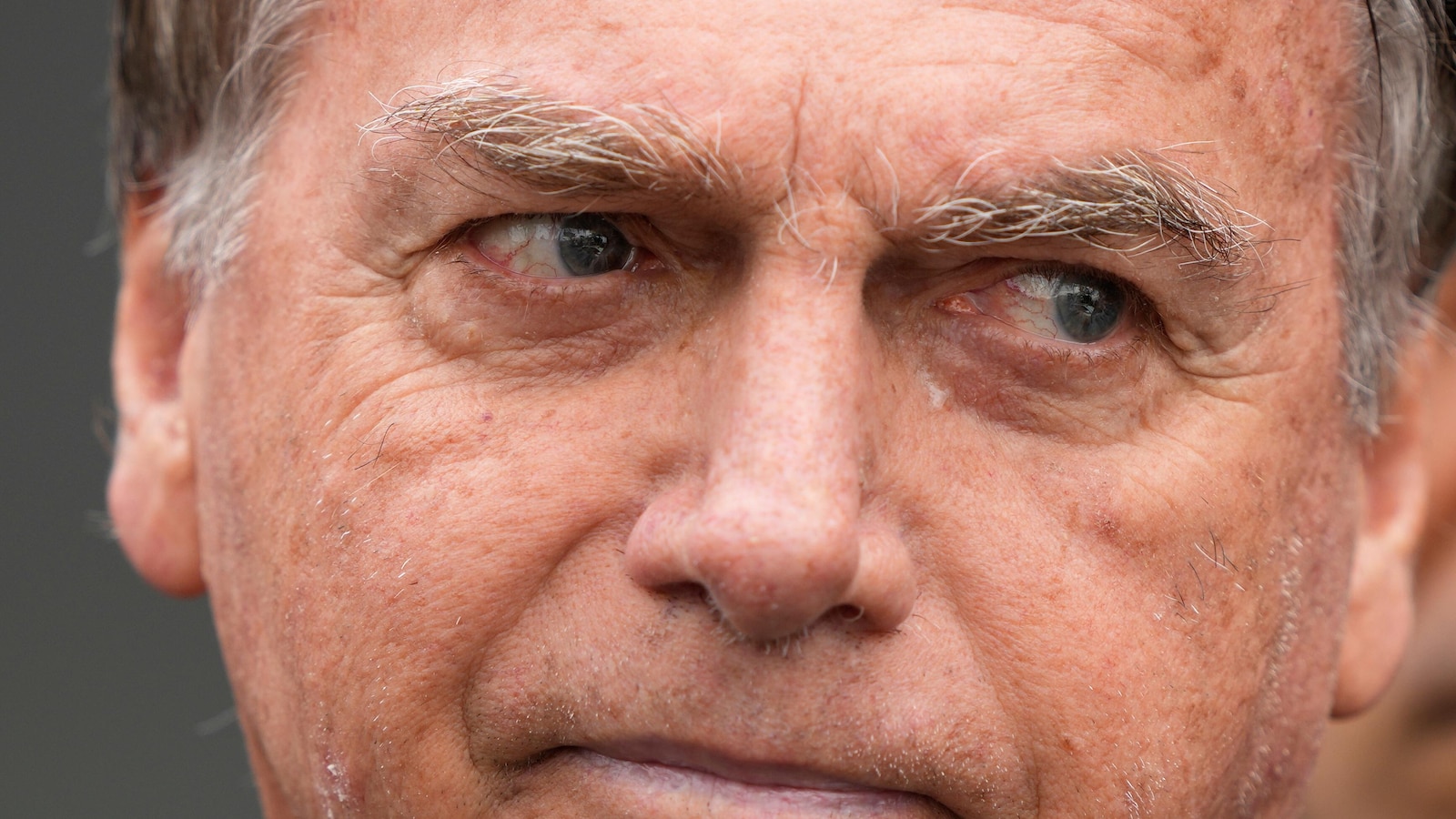
Former Brazilian President Jair Bolsonaro has been moved from intensive care to a semi-intensive care unit following significant improvements in his health condition over the past 24 hours. The 70-year-old right-wing politician, who has been dealing with pneumonia, showed encouraging signs of recovery according to his wife, Michelle Bolsonaro, who shared the positive update with followers on Instagram Monday morning. The former first lady expressed relief at her husband’s progress, noting that recent medical tests revealed a noticeable reduction in inflammation since his admission to the hospital’s intensive care unit late last week. Her message carried a tone of cautious optimism as she reassured supporters and family members that they remain confident in his ability to overcome this latest health challenge, just as he has weathered numerous medical crises in the past.
The DF Star hospital in Brasilia, where Bolsonaro has been receiving treatment, had previously reported on Sunday that the former president’s kidney function had shown marked improvement. However, at that time, medical staff determined it was necessary to keep him in intensive care due to the ongoing pneumonia complications. Interestingly, the hospital’s official statements did not specifically mention the subsequent transfer to the semi-intensive care unit that Michelle Bolsonaro announced, leaving some questions about the exact timeline of his improving condition. The move to a lower level of care typically indicates that a patient has stabilized sufficiently and no longer requires the constant, intensive monitoring that comes with being in an ICU setting. This development represents a significant step forward in Bolsonaro’s recovery process, though medical professionals are likely to continue monitoring him closely given his age and the seriousness of pneumonia in elderly patients.
Complex Circumstances Surrounding His Hospitalization
The circumstances surrounding Bolsonaro’s hospitalization are particularly unusual and noteworthy given his current legal situation. The former president, who served as Brazil’s leader from 2019 to 2022, was admitted to the hospital on Friday after being transferred from the prison facility where he is currently serving a substantial 27-year sentence. This lengthy sentence stems from his conviction for leading a coup attempt in 2023, charges that have fundamentally altered his political legacy and personal freedom. The transfer from detention to medical care highlights the delicate balance authorities must maintain between ensuring proper punishment for convicted individuals and providing necessary medical attention when health emergencies arise, regardless of a person’s legal status or political standing.
Prior to his hospitalization, Bolsonaro had been held at the local federal police headquarters before being moved to what has been described as a larger cell in January. Throughout his incarceration, his family members and political allies have mounted a persistent campaign directed at Brazil’s Supreme Court, repeatedly requesting that he be allowed to serve his sentence under house arrest rather than in a traditional detention facility. These appeals have cited various reasons, including his age, medical history, and the nature of his health complications. However, the Supreme Court has thus far not granted these requests, maintaining that Bolsonaro should serve his sentence like any other convicted individual, despite his former position as the nation’s highest elected official. The tension between his legal obligations and his medical needs continues to create complex situations requiring careful navigation by both judicial and medical authorities.
History of Health Challenges Dating Back to 2018
Bolsonaro’s current medical situation is far from an isolated incident; rather, it represents just the latest chapter in a long and troubling history of health complications that have plagued him for years. The root cause of many of his ongoing medical issues can be traced back to a violent attack that occurred during a campaign event before the 2018 presidential election. During that event, Bolsonaro was stabbed, suffering serious injuries that required immediate emergency surgery and initiated what would become a pattern of recurring hospitalizations and medical interventions. The stabbing caused significant internal damage that has continued to affect his health in various ways, leading to multiple subsequent procedures and hospital stays over the years. This traumatic incident not only impacted his physical well-being but also became a defining moment in his political narrative, with Bolsonaro and his supporters often referencing the attack as evidence of the dangers he faced while pursuing his political vision for Brazil.
Since that 2018 stabbing, Bolsonaro has been hospitalized numerous times for various complications related to the initial injury, as well as for other health concerns that have emerged. These repeated medical episodes have ranged from intestinal obstructions requiring surgical intervention to infections and other complications that have necessitated extended hospital stays. Each hospitalization has drawn significant media attention and public interest, both from supporters concerned about their political leader’s well-being and from critics who view these medical situations through the lens of his controversial political legacy. The frequency and seriousness of these health issues have raised questions about his long-term prognosis and quality of life, particularly as he ages and potentially faces additional health challenges common among individuals in their seventies.
Legal Troubles and Political Legacy Under Scrutiny
Beyond his current health crisis, Bolsonaro faces extraordinarily serious legal consequences that have dramatically reshaped his life and political legacy. The 27-year sentence he is currently serving represents one of the most significant falls from grace in Brazilian political history. His convictions extend beyond just the coup attempt charges to include leading an armed criminal organization and attempting the violent abolition of democratic rule of law – allegations that strike at the very heart of Brazil’s constitutional order and democratic institutions. These charges paint a picture of a former president who allegedly used his position of power and influence to undermine the very system that elevated him to the presidency, marking a stark departure from his oath to protect and defend Brazil’s democratic framework.
Despite the overwhelming evidence that led to his convictions, Bolsonaro has consistently and vehemently denied any wrongdoing throughout the legal proceedings. He has maintained that the charges against him are politically motivated, claiming that he is the victim of a judicial system that he alleges has been weaponized by his political opponents. This defense strategy resonates with his core supporters, who view him as a political martyr being persecuted for his conservative beliefs and his challenges to what they perceive as an entrenched political establishment. However, legal experts and his critics argue that the evidence presented during his trials was substantial and that his convictions were the result of proper judicial processes rather than political persecution. This fundamental disagreement about the legitimacy of his legal troubles continues to divide Brazilian society and fuel ongoing political tensions.
Political Future and Family Dynasty Ambitions
Even as Bolsonaro deals with his imprisonment and health challenges, the political dynasty he helped establish continues to pursue power in Brazil. His son, Flávio Bolsonaro, who currently serves as a senator, is expected to run for president later this year, potentially facing incumbent President Luiz Inácio Lula da Silva in what would be a politically charged election. This development represents an attempt by the Bolsonaro family to maintain their political relevance and influence despite the patriarch’s legal troubles and incarceration. Flávio’s expected candidacy will likely focus heavily on his father’s legacy while attempting to distance himself from the specific criminal charges that led to the elder Bolsonaro’s imprisonment. The campaign will undoubtedly be watched closely both domestically and internationally as a referendum not just on Flávio’s own political merits, but on whether Brazilian voters are willing to potentially return a member of the Bolsonaro family to the presidency despite everything that has transpired. This upcoming election will serve as a crucial test of whether the Bolsonaro political brand can survive and thrive despite the serious legal and ethical questions that have emerged during and after Jair Bolsonaro’s presidency, potentially shaping Brazil’s political landscape for years to come.