
Breaking Reports Surround Iranian Supreme Leader: What We Know So Far
Conflicting Claims Create International Uncertainty
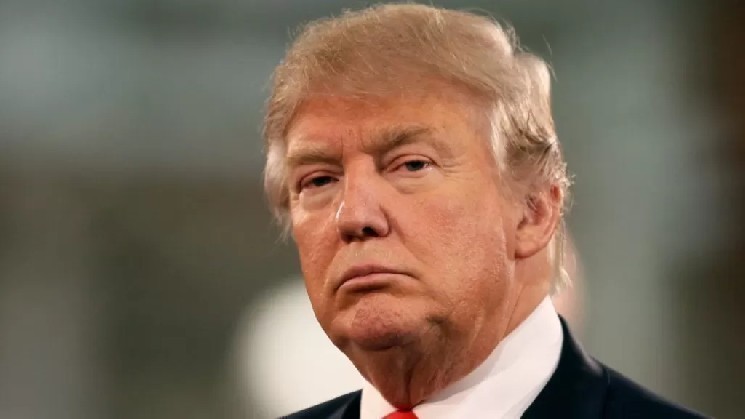
The world found itself gripping the edge of its seat as conflicting reports emerged regarding the fate of Iran’s Supreme Leader, Ayatollah Ali Khamenei. In what can only be described as a rapidly developing and deeply concerning situation, U.S. President Donald Trump made headlines when he told NBC News that American intelligence believes reports of Khamenei’s death are accurate, stating simply but significantly, “We believe this is true.” This wasn’t just casual speculation—a U.S. official speaking to Fox News provided additional disturbing details, claiming that the Washington administration has intelligence suggesting that not only Khamenei but between five to ten other high-ranking Iranian leaders were killed in what they described as an initial Israeli attack. The gravity of such claims cannot be overstated, as they suggest a major escalation in Middle Eastern tensions that could reshape the entire geopolitical landscape of the region. Meanwhile, Israeli officials made their own statements to Reuters and various Israeli media outlets, asserting that Iran’s religious leader had indeed been killed. However, adding to the confusion and uncertainty surrounding these extraordinary claims, the Tehran government has remained conspicuously silent, offering no official confirmation or denial of what would be one of the most significant events in modern Iranian history.
Escalating Military Operations Raise Global Alarm
The situation took an even more alarming turn when President Trump announced that the United States had commenced “large-scale combat operations” in Iran—a statement that sent shockwaves through diplomatic channels and news organizations worldwide. Almost simultaneously, Israel confirmed it had launched missile attacks against Iranian targets, lending credence to earlier reports about Israeli involvement in strikes that may have targeted Iran’s leadership. These announcements represent a dramatic escalation in what has been years of simmering tensions between Western powers, Israel, and Iran. The phrase “large-scale combat operations” suggests something far more extensive than the targeted strikes or limited engagements that have occasionally occurred in the past. For observers of Middle Eastern politics, this represents a potentially watershed moment—the kind of development that historians might look back on as a turning point in the region’s complex and often volatile history. The coordination, or at least the timing, between American and Israeli military actions raises questions about the level of cooperation between these longtime allies and what strategic objectives they might be pursuing in this unprecedented campaign.
Iran’s Response: Defiance Amid the Chaos
Adding yet another layer of complexity to this already confusing situation, Iranian semi-official news agencies Tasnim and Mehr—both known to have close connections with the Iranian government and military establishment—issued statements that directly contradicted the Western and Israeli reports. According to these sources, Khamenei is not only alive but “resolute and on duty in the field,” a phrase that suggests active engagement in leadership responsibilities rather than incapacitation or death. This stark contradiction between what American and Israeli officials are claiming and what Iranian sources are reporting creates a information vacuum filled with uncertainty. For ordinary people trying to understand what’s actually happening, this presents a genuine challenge. In our modern age of instant communication and social media, we’re accustomed to getting quick answers to breaking news questions, but this situation demonstrates how difficult it can be to verify the truth when different governments have different incentives to shape the narrative. The Iranian sources’ specific choice of words—emphasizing that Khamenei is “in the field”—seems deliberately designed to project strength and continuity, suggesting that even if attacks did occur, Iran’s leadership structure remains intact and operational.
Understanding the Stakes and Historical Context
To truly grasp the significance of these developments, it’s important to understand who Ayatollah Ali Khamenei is and what his potential death would mean for Iran and the broader Middle East. Khamenei has served as Iran’s Supreme Leader since 1989, making him one of the longest-serving leaders in the region. Unlike presidents or prime ministers in democratic systems, the Supreme Leader in Iran’s unique governmental structure holds ultimate authority over all political and religious matters. He commands final say over the military, including the powerful Revolutionary Guard Corps, and his word essentially represents the final authority on matters of state policy, foreign relations, and religious interpretation. The position is designed to provide continuity and stability to the Islamic Republic’s system of government. If Khamenei has indeed been killed, Iran would face not just a leadership vacuum but a profound constitutional and political crisis. The process of selecting a new Supreme Leader would involve the Assembly of Experts, but such a transition has never occurred under violent circumstances, and the outcome would be impossible to predict. Would hardliners consolidate power? Would moderates see an opening for reform? Would the military establishment attempt to assert greater control? These questions have enormous implications not just for Iran’s 85 million citizens but for regional stability, global energy markets, and international security.
Global Implications and Regional Ramifications
The potential consequences of these reported events extend far beyond Iran’s borders, touching virtually every aspect of Middle Eastern politics and global security concerns. Iran has positioned itself as a major regional power with significant influence in Iraq, Syria, Lebanon, Yemen, and among Palestinian groups. The country’s network of allied militias and proxy forces, often grouped under the term “Axis of Resistance,” represents a formidable force that has shaped conflicts across the region for decades. If Iranian leadership has indeed been targeted in a coordinated Israeli-American operation, we could be witnessing the beginning of a broader campaign to reshape the Middle Eastern power structure. The implications for global oil markets alone are staggering—Iran controls crucial shipping lanes through the Strait of Hormuz, through which roughly 20% of the world’s oil supply passes. Any major conflict involving Iran could send energy prices skyrocketing and create economic ripple effects felt in every corner of the globe. Additionally, there are serious concerns about how Iran’s allies might respond. Would Hezbollah in Lebanon launch attacks against Israel? Would Iranian-backed militias in Iraq target American personnel? Would the Houthi rebels in Yemen intensify their attacks on shipping or Saudi infrastructure? These are not hypothetical questions but very real possibilities that military and diplomatic planners must now consider.
Navigating Information in Times of Crisis
As this situation continues to develop, it’s crucial for people following these events to approach information with both attentiveness and critical thinking. The contradictory nature of the reports we’re seeing—with American and Israeli sources making dramatic claims while Iranian sources flatly deny them—illustrates the challenge of determining truth in real-time during international crises. In situations like these, governments on all sides have incentives to shape narratives in ways that serve their strategic interests. The United States and Israel might want to project strength and decisiveness, demonstrating to domestic audiences and international observers that they can strike decisively against perceived threats. Iran, conversely, has every reason to deny successful attacks against its leadership, as admitting such a vulnerability could be seen as weakness and might embolden opponents. For those of us watching from the outside, the responsible approach involves waiting for verifiable evidence, comparing multiple sources, and recognizing that initial reports in fast-moving situations are often incomplete or inaccurate. It’s worth noting that the disclaimer at the end of the original information—”This is not investment advice”—suggests these reports may have been circulated in financial or investment contexts, where Middle Eastern instability has immediate implications for markets and trading decisions. However, beyond financial considerations, these developments have profound human implications for millions of people whose lives could be dramatically affected by escalating conflict in an already troubled region. As we await further clarification, the situation serves as a reminder of how quickly international stability can be threatened and how important careful, verified information becomes in moments of crisis.